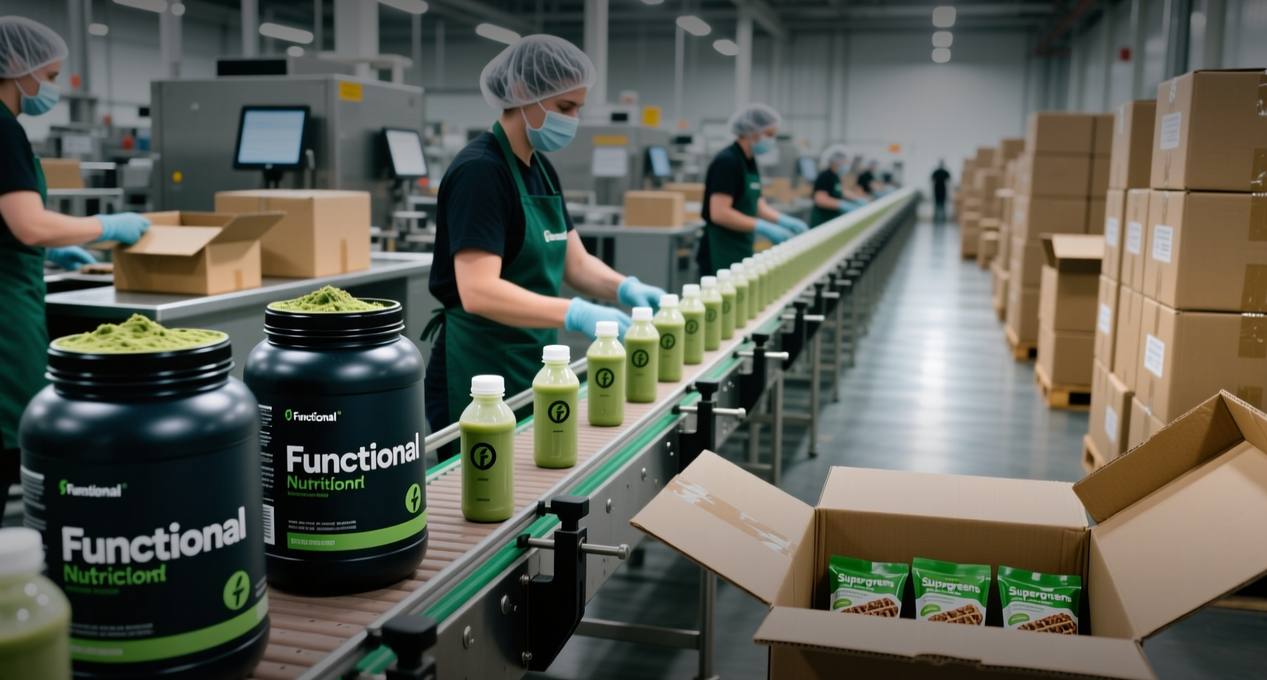
The French food group has folded the science-led maker of powders, ready-to-drink shakes and Hot & Savory meals into a business that booked €27.3 billion in sales last year, betting that a direct-to-consumer brand can accelerate its push into functional nutrition. Danone said the deal closed Sept. 4 and that Huel would be consolidated in its financial statements from Sept. 1, 2026; the transaction value was not disclosed.
"Today we are happy to officially welcome Huel to the Danone family," Antoine de Saint-Affrique, Danone's chief executive officer, said in a statement. "Together, we will unlock and fuel new opportunities for growth by extending the reach of Huel's market-leading products with our global scale and scientific credibility."
Huel, founded a decade ago, sells predominantly through its own digital channels and has built a highly engaged community around plant-based, nutritionally complete formats — a capability Danone has said it wants to absorb as it chases consumers who increasingly treat convenience and nutrition as one purchase decision. The brand's range spans powders, shakes, bars, supergreens and functional beverages, all built on a science-driven formulation approach.
The transaction is the latest sign that Big Food is rebuilding around focused growth platforms rather than sprawling scale. Nestlé has sharpened its portfolio toward four pillars while reviewing less strategic assets, Hershey folded its sweet, salty and protein lines into a single commercial structure, and Barry Callebaut replaced a broad transformation programme with a targeted "Focus for Growth" strategy after Hein Schumacher took over as chief executive in January 2026. Ferrero bought Purely Elizabeth, and Tate & Lyle agreed a takeover by Ingredion.
Functional nutrition becomes a deal magnet
The common thread is demand. Growth across packaged food is shifting toward protein-rich products, functional nutrition, premium snacking and convenience-led formats, according to Future Market Insights, a research firm. That has made meal replacement and complete-nutrition brands attractive targets for groups seeking volume growth at a time when pricing-led gains draw more scrutiny from investors.
Danone's move follows the same logic as its rivals but leans on a distinct asset: Huel's direct-to-consumer model and community engagement, which the company says will strengthen its own digital capabilities. James McMaster, Huel's chief executive, framed the deal as a route to new markets. "With Danone, our ambition is to be even more relevant to our loyal customers and win a new following in new places around the world," he said.
The deal value, payment structure and premium to any prior valuation were not disclosed, leaving the financial terms opaque. Danone said only that combining Huel's D2C reach with its own scale in more than 120 markets would widen access to convenient, sustainable food.
For Danone, the acquisition is one step in a longer M&A pipeline in health-focused food. The group, which employs about 90,000 people and achieved B Corp certification at global level in 2025, has said its Renew strategy aims to restore growth and value creation. Whether further deals follow will depend on how quickly Huel's community-led model scales inside a company built on retail distribution — and on whether the functional nutrition category keeps growing fast enough to justify the price of entry.
This article is for informational purposes only and does not constitute investment advice.