
Buying into a homeowners association means inheriting its finances, and a weak reserve can trigger surprise special assessments.
Buying into a homeowners association means inheriting its finances, and a weak reserve can trigger surprise special assessments.
The stakes of buying into a homeowners association are rising as aging buildings and soaring insurance costs strain finances across roughly 373,000 U.S. community associations housing about 78 million Americans.
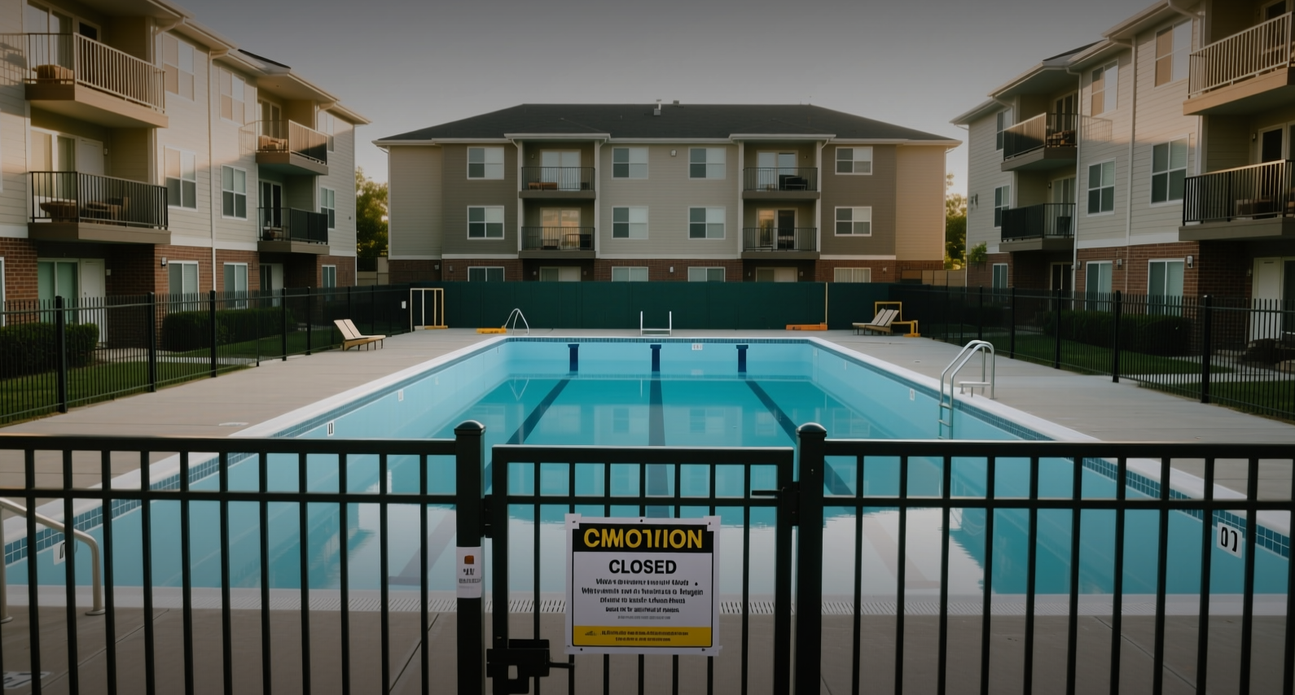
"A pool-deck renovation that sounds routine might mean a full season without pool access," said David Diestel, chief executive of property-management company FirstService Residential.
With monthly dues surging, buyers who skip the financial review take on shared responsibility for maintenance costs and the consequences of past board decisions, according to the Foundation for Community Association Research. A reserve study's "Percent Funded" level above 70 percent indicates strength, while anything below 30 percent raises the likelihood of special assessments to cover surprise costs, said Jim Talaga, president of Association Reserves—Washington.
The risk now reaches into lending. Updated Fannie Mae and Freddie Mac requirements are increasing lender scrutiny of condo association finances, and insufficient reserves could be a reason to deny a mortgage.
Boards typically hold a three-to-five-year view of planned improvements, and how those projects get funded matters as much as what gets built. A strong track record of completed upgrades often points to good governance, Diestel said. Buyers should ask what projects were recently finished and what is coming, and weigh the disruption — a pool renovation can close the facility for a full season.
Unless state law or HOA documents require disclosure, prospective buyers usually have no legal right to records directly from the association, said Scott Weiss, a condo association lawyer in Nashville, Tenn. A buyer can instead request a contract contingency from the seller that grants a brief due-diligence period to review HOA documents the seller obtains, such as board minutes, before the purchase agreement becomes binding.
The reserve study should also include a recommended reserve funding level. Comparing that with what is actually budgeted each year exposes a shortfall, which often means the board is pushing today's repair costs onto future owners, Talaga said. The study a buyer is given should not be older than 36 months.
Insurance claims can reveal hidden operational problems, said Kevin Davis, president of Kevin Davis Insurance Services in Los Angeles, which insures HOAs. "One dispute may not mean much, but a pattern reveals the association's true culture," Davis said. Red flags include repeated claims over water leaks, construction disputes or harassment. Associations rarely share full claims reports, but buyers can ask the seller or board about significant claims, pending lawsuits or insurance-premium increases from the past five years.
For a single-family home, a CLUE (Comprehensive Loss Underwriting Exchange) report contains insurance claims tied to the property generally going back up to seven years, said Loretta Worters, vice president at the Insurance Information Institute. The current homeowner can request a copy and share it with a prospective buyer.
Every association has its own personality, with some operating like easygoing golden retrievers and others tightly wound like pit bulls, said Julie Adamen, an HOA consultant in Saddlebrooke, Ariz. "Drop a golden retriever owner into a pit bull neighborhood, and they'll face constant stress," Adamen said. Buyers can join local social-media groups, call board officers directly or use personal connections to gauge how responsive board members are, said Dave Amis, a private investigator in Austin.
Even careful vetting does not guarantee protection. Weiss recalled a buyer who planned to live in her unit for one year before converting it to a rental; nine months after purchase, the HOA voted to require a two-year owner-occupancy period before leasing. She sued to keep the rule unchanged, but a court ruled for the association. "You can't expect the HOA's governing documents will always remain the same," Weiss said.
This article is for informational purposes only and does not constitute investment, tax, or legal advice; figures and rules cited reflect the latest available information and should be verified against official announcements.
