
Deep Houthi missile and drone attacks on Saudi Arabia's southern energy belt forced temporary shutdowns at oil facilities and injured 73 people, with Brent crude jumping to $98 a barrel on renewed supply fears.
Deep Houthi missile and drone attacks on Saudi Arabia's southern energy belt forced temporary shutdowns at oil facilities and injured 73 people, with Brent crude jumping to $98 a barrel on renewed supply fears.
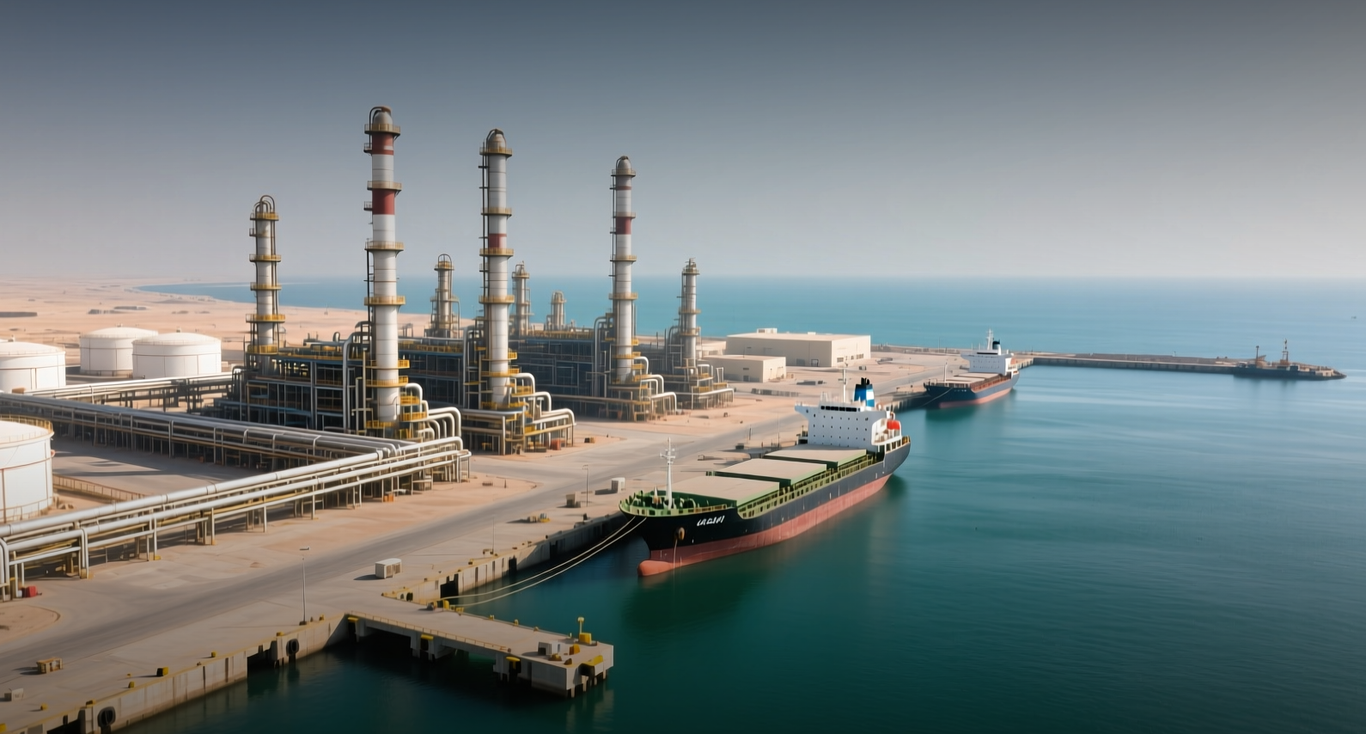
A wave of Houthi missile and drone strikes deep into southern Saudi Arabia halted operations at energy facilities and wounded 73 people, pushing Brent crude above $98 a barrel as the Yemen conflict's risk premium returned to global oil markets.
"The attacks are a serious escalation and a flagrant violation of the kingdom's sovereignty, and a direct threat to the security and safety of its citizens and residents," Maj. Gen. Turki al-Malki, spokesperson for the Saudi-led coalition, said.
The strikes early Tuesday hit Abha, Jazan, Najran and Khamis Mushait, igniting fires at oil facilities and utilities that forced temporary suspensions, the Saudi Energy Ministry said. Houthi military spokesman Brig. Gen. Yahya Saree said the rebels fired dozens of ballistic missiles and drones at Aramco facilities in Najran and Abha, King Khalid Air Base and Jazan City for Primary and Downstream Industries, which houses a 400,000-barrel-a-day refinery among the kingdom's largest.
The flare-up compounds supply risk in a region where the Iran war has nearly halted shipments through the Strait of Hormuz, a waterway that moved about one-fifth of the world's oil before the conflict. Brent rose $1 to $98 a barrel and U.S. crude climbed more than $2 to $93.65 after the energy ministry statement, as traders weighed whether the Houthi blockade of Red Sea shipping and strikes on Saudi infrastructure will tighten global supply.
The attacks came hours after the rebels blamed Saudi Arabia for an airstrike on a prison in Yemen's northern Jawf province that killed at least seven people, including a child. The escalation traces to a Houthi attempt to fly a plane from Tehran to Sanaa that challenged a decade-long air and naval blockade, prompting a coalition strike on the airport runway and ending a 2022 truce that had largely halted fighting between the two sides.
The last comparable wave of Houthi strikes on Saudi oil infrastructure came in 2019, when attacks on Aramco's Abqaiq and Khurais plants temporarily knocked out about 5.7 million barrels a day of output, roughly half the kingdom's production, and sent Brent surging nearly 15 percent in a single session. Tuesday's strikes land at a moment when spare capacity is thinner and the Strait of Hormuz is already effectively closed to normal traffic, leaving fewer buffers to absorb any further loss of Saudi barrels.
The market reaction extended beyond crude. The threat to Bab al-Mandeb, the strait at the southern end of the Red Sea that carries a large share of Gulf oil and Asian trade, raises shipping and insurance costs for tanker routes that bypass Hormuz. Gold held near recent highs as investors sought haven assets, while regional equities and currencies came under pressure on concern the conflict could draw in the United States, which has backed Saudi Arabia in the Yemen war.
Saudi Arabia vowed retaliation. Al-Malki said the coalition "will take all necessary operational measures to deter the terrorist Houthi militia with utmost resolve." The Houthis, who control the most populous parts of Yemen, have declared a naval blockade against Riyadh since July and stepped up attacks on Saudi vessels in the Red Sea.
The fighting has also displaced about 18,500 people in Yemen's Taiz and Hodeida provinces, according to the International Organization for Migration, deepening a humanitarian crisis in a civil war that began in 2014 and has killed at least 150,000 people by U.N. estimates.
For oil markets, the question is whether the strikes mark a sustained campaign against Saudi energy infrastructure or a retaliatory spike that fades. If the Houthis continue to target Aramco facilities and Red Sea shipping, the risk premium embedded in crude could persist for weeks; if the coalition's response deters further deep strikes, prices may retreat toward pre-escalation levels. Traders will watch for confirmation of damage to the Jazan refinery and for whether Saudi Arabia's export capacity is affected.
This article is for informational purposes only and does not constitute investment advice.
