

IBM's worst single-day selloff in a century exposed a deeper tension: the infrastructure powering AI is consuming budgets that once fed the company's core software and mainframe businesses.
IBM's worst single-day selloff in a century exposed a deeper tension: the infrastructure powering AI is consuming budgets that once fed the company's core software and mainframe businesses.
IBM's worst single-day selloff in a century exposed a deeper tension: the infrastructure powering AI is consuming budgets that once fed the company's core software and mainframe businesses.
IBM cut its 2026 revenue growth forecast to between 4% and 5%, down from more than 5%, after customers prioritized AI infrastructure spending over mainframes and software, squeezing the company's highest-margin businesses.
"A lot of the demand is deferred, not destroyed," Chief Executive Officer Arvind Krishna said on the earnings call, adding that about one-third of the large capex deals that slipped in the second quarter had already closed in the current period.
Revenue rose just 1% to $17.16 billion in the quarter ended June 30, missing the $17.58 billion average analyst estimate compiled by LSEG. Adjusted earnings of $2.93 per share also fell short of the $2.97 consensus. Z mainframe revenue slumped 42%, dragging infrastructure down 7% to $3.84 billion. Software, which generates 45% of IBM's revenue and carries the highest margins, grew 5% to $7.76 billion — still below the $7.88 billion analysts expected.
The miss erased about $69 billion in market value on July 14, the steepest one-day decline in IBM's history. The question for investors is whether the shift is temporary — Krishna expects 75% of delayed deals to close by year-end — or signals a structural reordering of enterprise technology budgets as companies race to secure scarce AI servers, chips and networking gear.
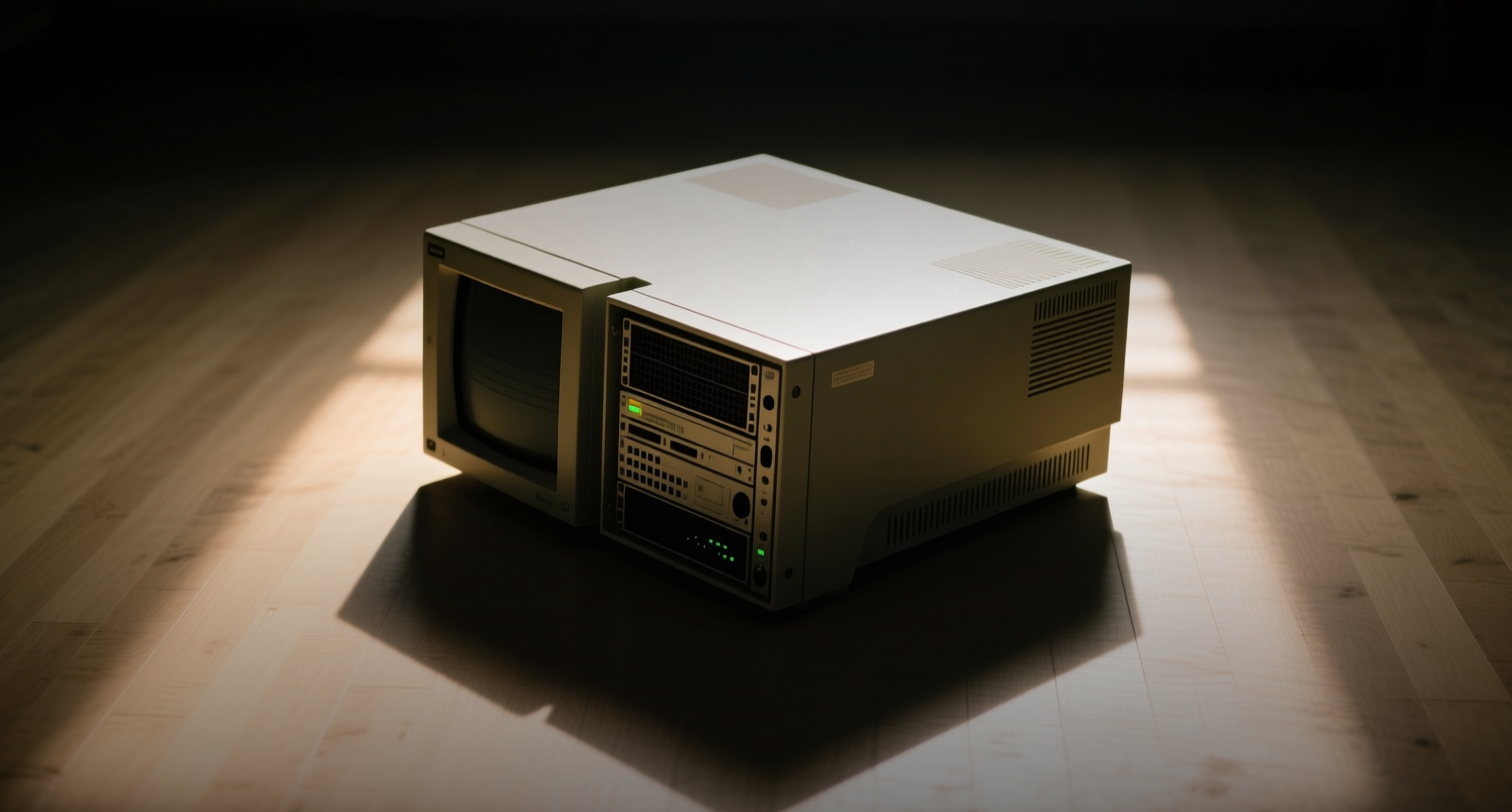
IBM's mainframe business, which processes millions of daily transactions for banks and airlines, has been the company's most reliable profit engine. In the first quarter, Z revenue jumped 51%. The second-quarter reversal was sudden: customers moved capital spending to servers, storage and memory needed for AI workloads, often at the expense of mainframe upgrades and the transaction-processing software that accompanies them.
Finance Chief James Kavanaugh said the mainframe stack "impacted IBM's growth by over five points in the quarter," compared with an expected one to two points. He said the company sees "no evidence of clients moving off a mainframe" and expects the z17 program — still running at about 130% of the comparable z16 cycle — to outperform in the second half.
The distributed infrastructure business, which includes Power Systems and storage, grew 37% and ended the quarter with a backlog exceeding $500 million. That suggests IBM captured some AI-related demand, but not in the high-margin mix investors wanted. For every dollar of mainframe infrastructure revenue, IBM typically generates $3 in software — a multiplier that broke down when hardware deals slipped.
Red Hat revenue growth accelerated to 11%, while Krishna said HashiCorp and Confluent, two recent acquisitions, performed well. Still, the software segment's 5% growth fell short of the double-digit pace Kavanaugh had projected in January.
Krishna is betting that quantum computing will become IBM's next major growth engine. The company plans to invest more than $10 billion over five years and is on track to deploy a large-scale fault-tolerant quantum computer by 2029. IBM also announced plans for a quantum wafer foundry, backed by $1 billion in proposed federal incentives and $1 billion in corporate contributions.
Those projects could reshape IBM's long-term position in computing. They do little to address the immediate challenge: AI is squeezing IBM from two directions simultaneously. It competes for customer budgets at a time when companies are prioritizing infrastructure purchases, and it threatens to automate the software development and consulting work that funds IBM's transition.
Krishna told CNBC that only about 2% of IBM's software could be replaced by AI applications, arguing that the rest helps clients prepare for AI by unlocking data and managing hybrid infrastructure. He cited Starbucks, which spends about $2 million annually on IBM software but is removing a 10-year-old Tririga lease management system — a decision Krishna acknowledged as part of the at-risk 2%.
IBM generated $4.8 billion in free cash flow in the first half and maintained its guidance for a $1 billion increase in 2026. But debt stood at $66.4 billion at the end of the first quarter, up $5.1 billion from year-end, partly from the Confluent acquisition. That leaves less room for execution errors as the company funds its dividend, integrates acquisitions and invests in quantum computing.
IBM shares, trading around $212 after recovering from the post-warning low, still sit about 25% below their level before the preliminary results. Jefferies analysts recommend buying the stock, though they cautioned against "giving full credit for the maintained guide until a larger portion of the slipped activity is reflected in reported results."
This article is for informational purposes only and does not constitute investment advice.
