
India's economy expanded 7.8% in the April-June quarter, beating forecasts as an investment boom and decade-high credit growth added to consumer demand.
India's economy expanded 7.8% in the April-June quarter, beating forecasts as an investment boom and decade-high credit growth added to consumer demand.
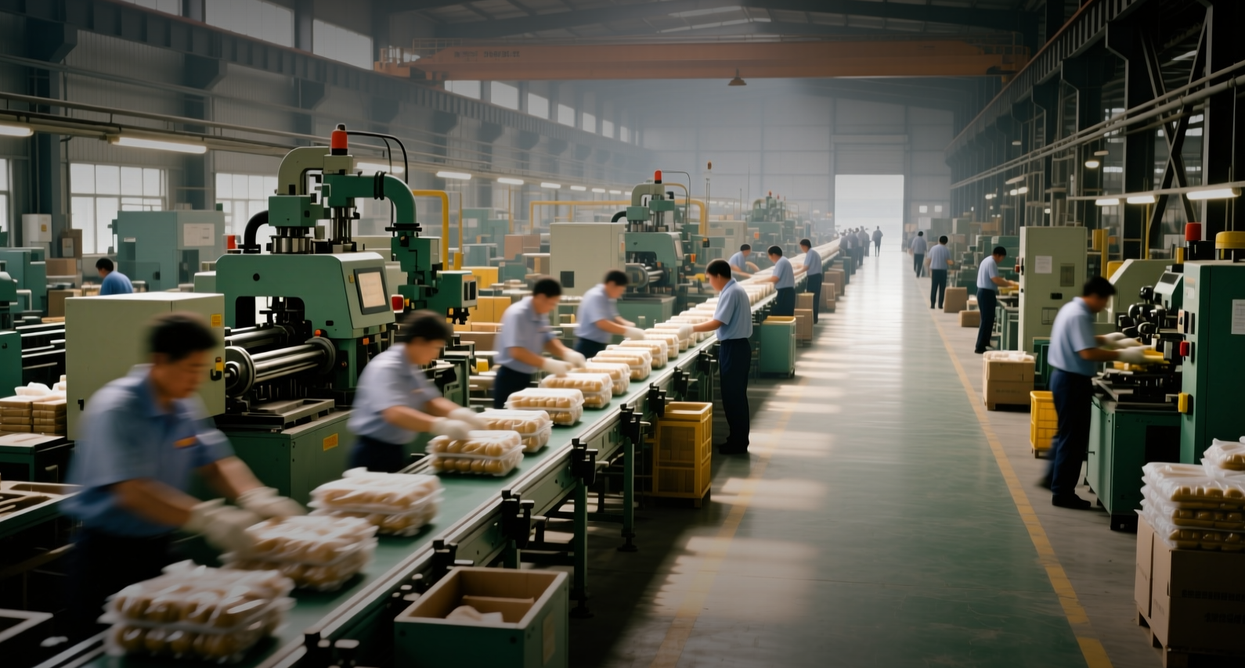
India's economy grew 7.8% in the April-June quarter, handily beating the 7.1% consensus as an investment boom and manufacturing strength added to already-solid consumer demand.
"Robust credit demand and resilient domestic consumption despite elevated prices further highlight the underlying strength of economic activity," said Tanay Dalal, senior vice president for business and economic research at Axis Bank.
Gross value added, which strips out indirect taxes and subsidies, rose 8.2%. Manufacturing output accelerated to 9.2% from 8.3% a year earlier, while financial services grew 12.1% on strong bank credit. Personal consumption rose 7.1%, up from 6.8%, and private investment nearly doubled its pace to about 12% from 5.8%. Lending grew 18.3% at the end of June, the fastest in more than a decade.
The upside surprise landed even as the U.S. war on Iran keeps crude near $90 a barrel, threatening India's fiscal and current account balances. The Reserve Bank of India, which held its benchmark rate this month and nudged its full-year growth forecast to 6.7% from 6.6%, faces a delicate balance as two rate-panel members back tightening if inflation quickens.
India imports more than 85 percent of its crude needs, mostly from the Middle East, and April-July import spending jumped 56 percent to $63.37 billion. Crude prices stuck near $90 a barrel are muddying the inflation picture — the central bank expects headline inflation to average around 5 percent this year — while also weighing on the rupee and external balances.
A deficient monsoon adds to the risks. The season brings 70 percent of India's annual rainfall and underpins agriculture and rural incomes, yet nearly half of farmland lacks irrigation. Farm output, a sector employing more than 40 percent of the workforce, grew 3.6 percent in the quarter, matching the prior pace.
"The key risks are now less about a softer domestic story and more about the persistence of high oil prices, rupee weakness and tighter global financial conditions," said Radhika Rao, senior economist at DBS Bank. "Scope for full-year growth to be north of 7 percent is high."
The RBI held its benchmark rate steady this month, saying it needs to watch how energy and food prices feed through to inflation. Minutes of the August meeting showed two committee members, including the governor, back broad-based tightening if price pressures quicken, keeping alive the possibility of a hike later this year.
The last time India's credit growth exceeded 18 percent was more than a decade ago, when the economy was expanding at a similar clip before the 2013 taper tantrum forced the RBI into an emergency tightening cycle. That precedent shows how quickly external financing conditions can shift for an economy running a current account deficit.
Tax cuts on goods and services and on incomes earlier this year lit a fire under consumer spending, and Prime Minister Narendra Modi hailed the numbers as "a herculean feat." Chief Economic Adviser V. Anantha Nageswaran cautioned that high petroleum prices could weigh on global demand and India's export prospects, urging continued diversification and cost competitiveness.
For the full fiscal year, economists see scope for growth above 7 percent, though much depends on whether oil prices ease and the monsoon recovers. If crude stays elevated and external financing tightens, the RBI's tightening bias could harden into action, raising borrowing costs for the very investment boom driving the expansion.
This article is for informational purposes only and does not constitute investment advice.
