
Iran has traded its blockade of the Strait of Hormuz for partial control over the world's most critical oil chokepoint.
Iran has traded its blockade of the Strait of Hormuz for partial control over the world's most critical oil chokepoint.
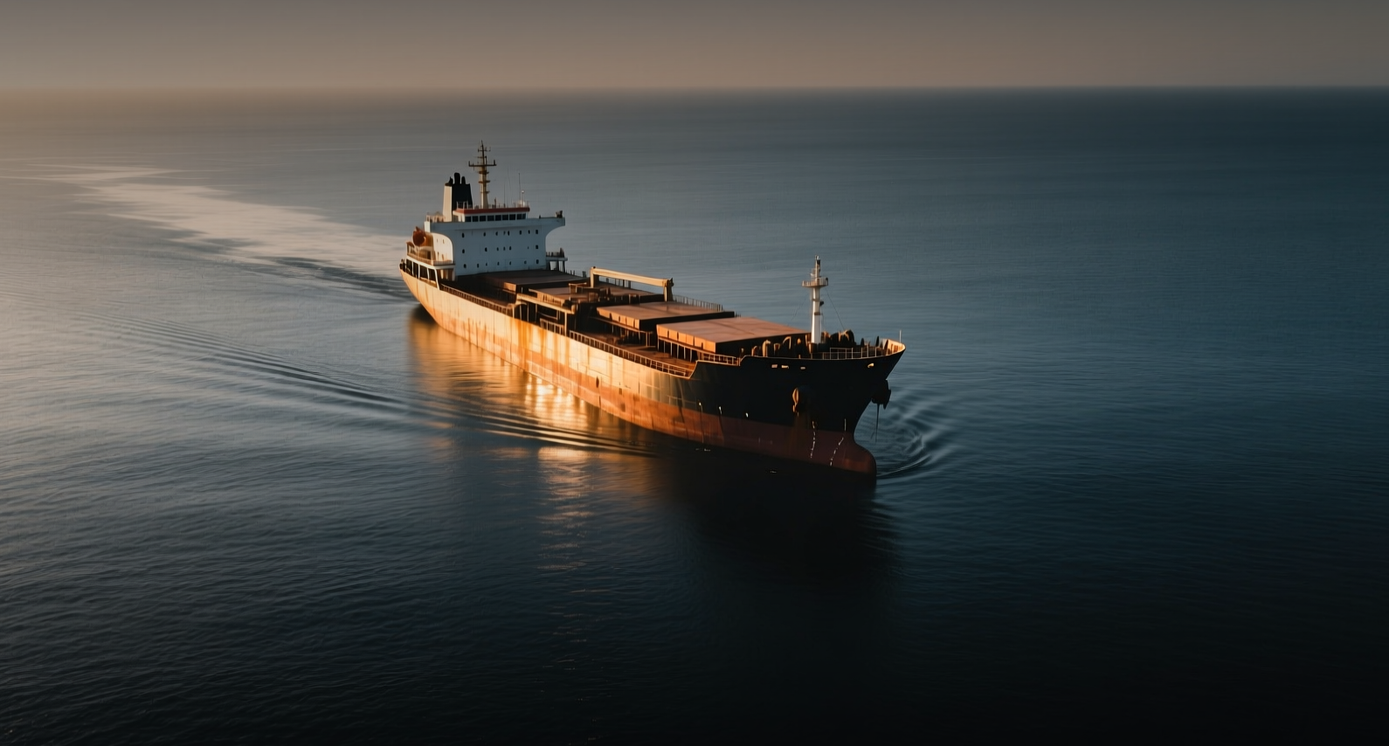
Iran and Oman are close to finalizing an agreement to reopen the Strait of Hormuz through coordinated shipping lanes, granting Tehran partial control over a waterway handling 21 percent of global oil trade.
"I'm not going to let them charge," President Donald Trump told reporters Monday, responding to Iranian claims that a "service fee" would be levied on vessels transiting the strait. Secretary of State Marco Rubio separately warned that allowing Iran to control the vital shipping lane with tolls would create "a very dangerous precedent."
Iran's Foreign Ministry spokesperson confirmed Aug. 5 that Tehran and Muscat had reached agreement on geographic coordinates for proposed shipping lanes, with a joint statement in final review. The 60-day arrangement would route inbound vessels through a corridor near Iran's coast and outbound traffic along Omani territorial waters. Iranian officials said revenue from the "service fee" would be shared equally between Iran and Oman, while a US official disputed that account, saying temporary routes would not require Iranian authorization or involve payments.
The deal comes as the US war effort strains under depleted munitions. The Pentagon has used nearly 80 percent of its THAAD missile interceptors and about half of its Patriot interceptors, according to CNN. Reuters reported the Army has expended "virtually all" of its long-range precision ATACMS and PrSM missiles, with nearly half of Tomahawk cruise missiles also fired. Trump has twice declined to authorize military strikes against Iranian targets prepared by CENTCOM Commander Gen. Brad Cooper, prioritizing the rapid reopening of the strait.
The munitions crunch explains why Trump called off his threatened escalation over the weekend, saying a deal was imminent. The US entered the war in February assuming its firepower would quickly overwhelm Iran's defenses, but the conflict has dragged into a sixth month with no strategic objectives met. Iran's asymmetric response — closing the strait, targeting shipping through the Bab el-Mandeb, and attacking US assets — has proven more costly than anticipated.
Some senior Pentagon officials remain skeptical of the proposed arrangement, expressing concern it could amount to a de facto concession to Iran. Naval mines remaining in parts of the strait could force commercial vessels to coordinate movements with Iranian authorities, effectively institutionalizing Tehran's influence over the waterway.
Saudi Arabia has been particularly keen to resolve the conflict, especially after Iran's Yemeni allies, the Houthis, began attacking Saudi shipping through the Bab el-Mandeb strait nearly two weeks ago. Two gas tankers in the Egyptian port of Damietta caught fire last week after being attacked by unidentified drones. Six Saudi-flagged oil carriers have rerouted around Africa to avoid Bab el-Mandeb, while Kuwait has discussed building an oil pipeline to bypass the Strait of Hormuz entirely.
The previous ceasefire deal in June collapsed over the same issues now under negotiation — Iran's control over the strait and the question of fees. Iranian officials have insisted the strait will not return to its pre-war status, and Tehran has no reason to surrender the leverage it has acquired. The last time Iran closed the strait in 2019, oil prices spiked and tanker insurance rates surged, but the current blockade has been far more sustained.
The deal's implementation remains uncertain. If Iran secures the right to charge fees, it would mark a permanent shift in the governance of international waterways. If the US rejects the arrangement, the blockade could continue indefinitely, with global energy markets bearing the cost. Trump's decision on whether to accept the deal — and how to frame it as a victory — will determine whether the war ends with a negotiated settlement or further escalation.
This article is for informational purposes only and does not constitute investment advice.
