
Key Takeaways: July's in-line inflation reading bought the Federal Reserve more time to defend its forecast that prices can cool without higher rates.
Key Takeaways: July's in-line inflation reading bought the Federal Reserve more time to defend its forecast that prices can cool without higher rates.
July's in-line inflation reading bought the Federal Reserve more time to defend its forecast that prices can cool without higher rates.
The Federal Reserve's September decision has become a coin flip after July inflation matched forecasts, with core prices easing to 2.5% and the probability of a quarter-point rate hike falling below 50% in futures markets.
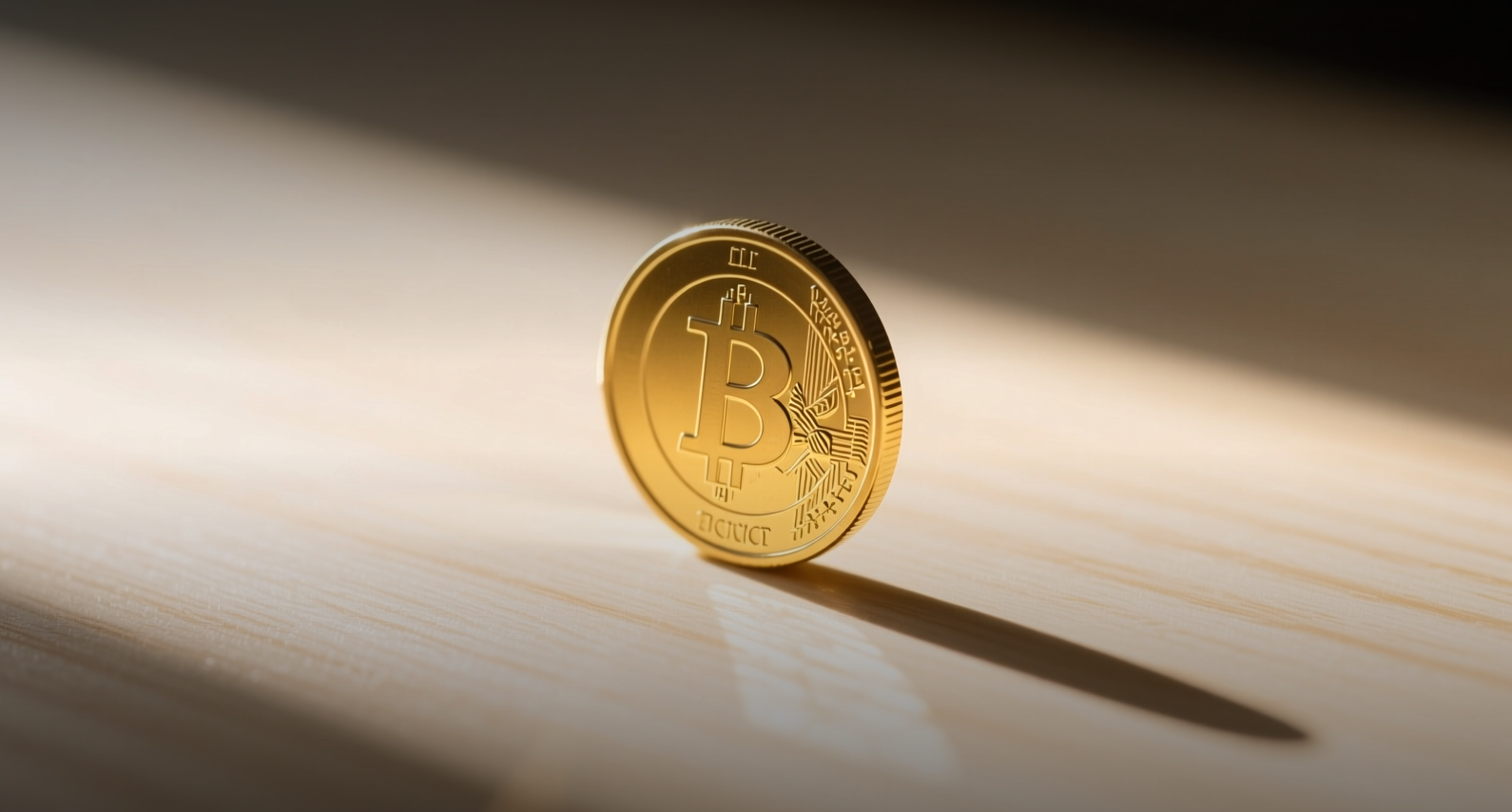
"It hurts the hawks more than it hurts the doves," said Neil Dutta, head of economics at Renaissance Macro, who assumes upcoming meetings will be roughly a coin flip because the inflation data won't be conclusive. "If you toss a coin enough times, it will probably come up heads at least once."
The consumer-price index rose 3.4% in July from a year earlier, down from 3.5% in June and matching the consensus compiled by Dow Jones. Monthly prices ticked up 0.1%, rebounding from a 0.4% decline in June, while core CPI, excluding volatile food and energy, rose 0.2% on the month. The two-year Treasury yield fell after the release, technology and semiconductor stocks rallied in premarket trading, and spot gold climbed to $4,434 an ounce.
The report lands as the Fed, led by Chair Kevin Warsh, weighs whether current rates are restrictive enough to return inflation to its 2% target. Officials will receive one more CPI report on Sept. 11 before the Federal Open Market Committee meets Sept. 15-16, and the Fed's preferred gauge — core PCE, which ran at 3.3% in June — has been running hotter than the CPI.
The current fed funds rate stands at 3.5-3.75%, unchanged since the Fed held steady last month. At least six of the 12 voting members have signaled in recent weeks that they could support an increase depending on the data, and three dissented in July in favor of higher rates. Cleveland Fed President Beth Hammack, who voted for an increase, said this week that one quarter-point move "probably doesn't do a whole lot for the economy," comparing the choice to braking for a stop sign — pressing gently on the pedal earlier to avoid stomping on it later.
San Francisco Fed President Mary Daly, who supported the hold, went further, questioning whether incremental moves would work at all. In a speech in Japan she described a second scenario in which shocks compound and inflation gathers momentum of its own, one that could call for an increase larger than the quarter point the Fed typically uses. "If we find that scenario two is taking hold, then I think the question would be 'why do it incrementally?'" she said.
The breakdown shows a "dual-wheel cooling" pattern. Energy CPI, still elevated at 14.7% year-over-year, narrowed by a full percentage point from 15.7% in June as gasoline prices fell 2.9% on the month, while housing CPI — the heaviest-weighted anchor in core inflation — slowed to 3.2% from 3.3%. Used-car prices fell 1.9% year-over-year, keeping core goods in deflationary territory.
Yet the Fed's 2% target remains distant. Inflation has now run above target for five consecutive years, and wage growth of 3.2% year-over-year still trails the pace of price increases, squeezing real purchasing power. The last time core inflation sat at 2.5% was March 2021, before the pandemic-era surge. Goldman Sachs said the 0.2% monthly core increase is consistent with the Fed's desired path back to 2%, while Morgan Stanley cautioned that services prices excluding housing and energy remain supported by healthcare, insurance and labor costs.
The in-line report strips hawkish officials of their data justification for an urgent September hike, but it does not resolve the outlook. If the August CPI report, due Sept. 11, shows a broadening of price pressures, the probability of a hike — now at 44.1% per CME FedWatch — could rebound quickly. If it stays tame, the Fed may hold through the fall, with the Jackson Hole symposium later this month offering Warsh a platform to re-anchor expectations.
This article is for informational purposes only and does not constitute investment advice.
