

California and 28 other states opened a landmark federal trial Tuesday accusing Meta of engineering Facebook and Instagram to addict minors, with penalties that could reach $1.4 trillion.
California and 28 other states opened a landmark federal trial Tuesday accusing Meta of engineering Facebook and Instagram to addict minors, with penalties that could reach $1.4 trillion.
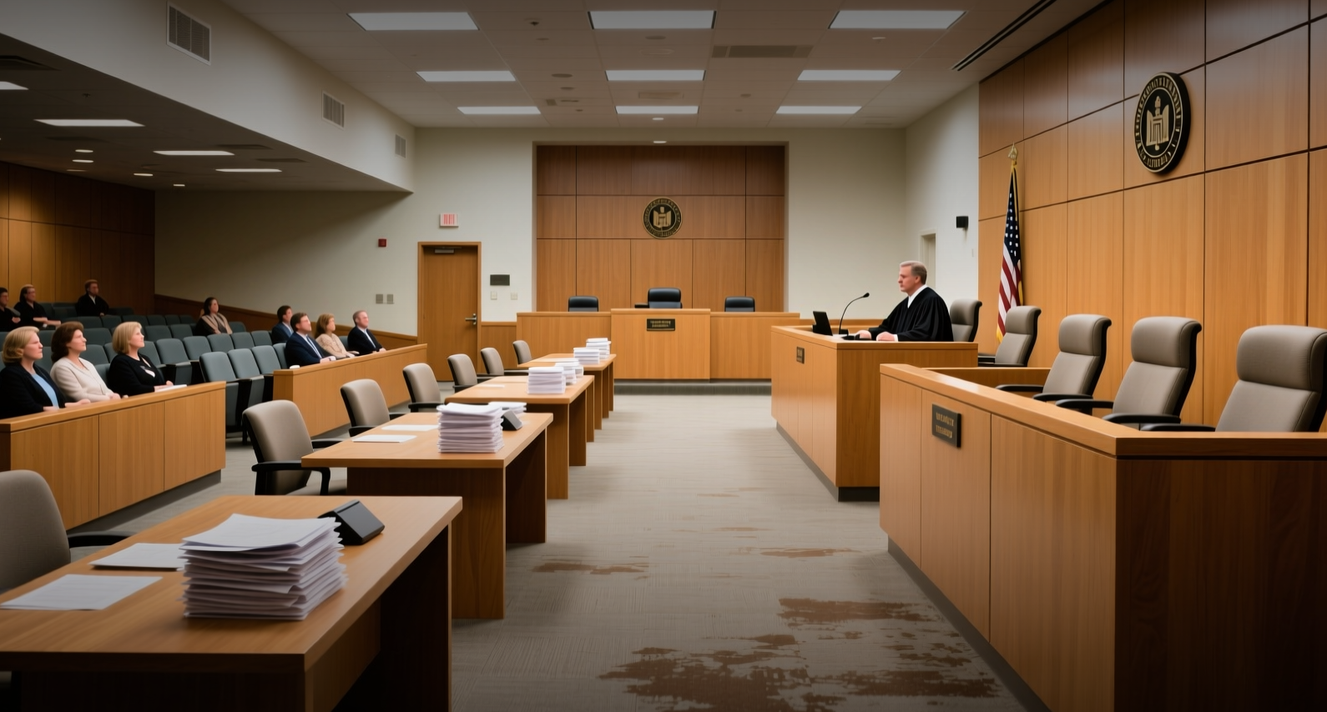
Meta's alleged four-step playbook — hook, hold, harvest, hide — took center stage Tuesday as 29 states opened a federal trial seeking up to $1.4 trillion in penalties over addictive design targeting children.
"Meta's business model worked especially well for kids," Megan O'Neill, a lawyer for the state of California, said in opening statements before an eight-person advisory jury.
The consolidated multi-district litigation combines consumer protection claims from California, Colorado, Kentucky and New Jersey with federal COPPA claims from 29 states. Former Meta safety engineer Arturo Béjar testified that a 2021 survey he sent to CEO Mark Zuckerberg showed 51 percent of teen users reported harmful experiences within the previous seven days, while content was removed only 0.02 percent of the time.
If Meta is found liable, damages could reach $200 billion — roughly equivalent to the company's 2025 annual revenue — and the court could force design changes that permanently alter how its platforms operate. The trial is expected to last six to eight weeks and will include testimony from Zuckerberg and Instagram CEO Adam Mosseri.
The 'hook, hold, harvest, hide' framework
O'Neill's opening argument laid out the alleged strategy in stark terms. Meta "hooks" users with algorithmic feeds engineered for engagement, "holds" them through features like infinite scrolling and autoplay, "harvests" their personal data for advertising, and "hides" the risks from regulators and the public, she argued. The initial complaint filed by Massachusetts in 2023 alleged Meta "intentionally designed its flagship social media platforms, especially Instagram, to be addictive to youth, preying upon young people's unique psychological vulnerabilities."
Meta has denied all allegations. Paul Schmidt, an attorney for Meta, said there is "no dispute" that people can struggle with social media, but that the company had "come up with tools to try and address that." Meta spokesperson Liza Crenshaw said the states were "chasing an outlandish payout" rather than "sticking to the facts or the law." The company notes it does not allow children under 13 to register accounts and has disabled more than 1 million accounts of underage users.
Béjar, who testified he briefed Zuckerberg more than 100 times during his tenure, said his motivation was his own teenage daughter's experience on Instagram, where she received unwanted sexual advances and misogynistic insults. He described Meta's approach to child safety as a "don't ask, don't tell" strategy. The jury also heard recorded depositions from former user experience researchers Elena Davis and Natalie Troxel, along with testimony from San Diego State University psychology professor Jean Twenge.
A bellwether with broader implications
The case, consolidated as In re: Social Media Adolescent Addiction/Personal Injury Products Litigation, is the first bellwether trial in a multi-district litigation that includes thousands of related suits from families, school districts and other attorneys general. The Ninth Circuit rejected Meta's attempt to block the trial under Section 230 of the Communications Decency Act, finding the provision "provides a defense to liability, not immunity from suit."
The stakes extend beyond Meta. The outcome could set precedent for similar cases pending against Google, TikTok and Snapchat, which face more than 3,000 consolidated lawsuits over addictive design claims targeting youth. Meta has already lost two similar cases that went to trial in March — a nearly $1 billion judgment to New Mexico over child sexual exploitation on its platforms and a $4 million verdict to a young woman who alleged deliberate addictive design.
The presiding judge, Yvonne Gonzalez Rogers, retains sole authority to determine liability and award damages, with the jury serving in an advisory capacity under Federal Rule of Civil Procedure 39(c). A verdict against Meta could force the company to redesign core product features, potentially reducing engagement metrics that drive its advertising revenue — a scenario that would ripple across the social media sector and reshape how platforms approach youth safety.
This article is for informational purposes only and does not constitute investment advice.
