

Key Takeaways:
- Micron closed at $1,016.59 on Sept. 7, up 256 percent year-to-date
- FQ4 guidance calls for revenue of $49B-$51B and adjusted EPS of $30-$32
- DRAM contract prices expected to rise 50-200 percent this quarter on AI demand
Key Takeaways:
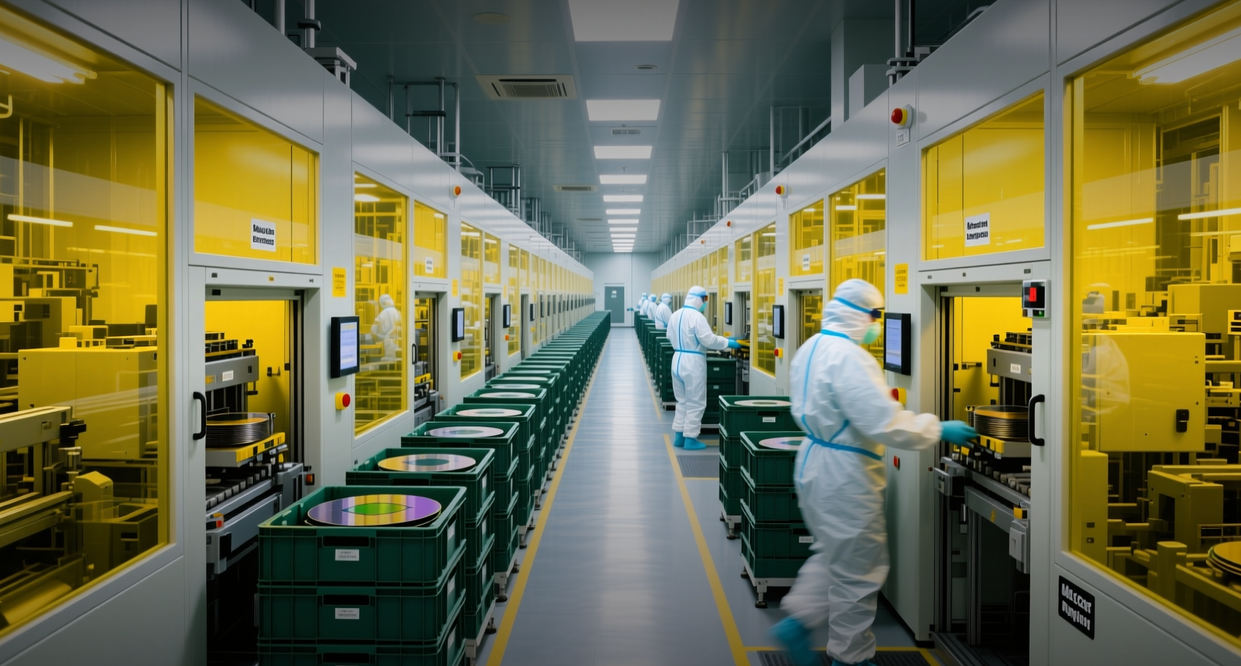
The memory-chip maker reclaimed the four-digit price level on Sept. 7, closing at $1,016.59, as anticipation builds for its fiscal fourth-quarter report due Sept. 30. The stock has gained 256 percent so far in 2026, one of its strongest yearly performances on record.
Research from Susquehanna and TechInsights projects DRAM contract prices rising 50 percent to 200 percent this quarter on AI server deployments, a key driver of Micron's revenue and margin outlook. DRAM accounts for nearly 70 percent of Micron's revenue, and NAND Flash prices are also seeing a 60 percent gain.
The company guided fiscal fourth-quarter revenue between $49 billion and $51 billion and adjusted EPS of $30 to $32, after reporting record FQ3 revenue of $41.46 billion, up 346 percent year over year and above the $35.84 billion consensus. Adjusted EPS reached $25.11, beating the $20.78 estimate. Gross margins are forecast around 81 percent, reflecting pricing power from a fully sold-out 2026 high-bandwidth memory supply at locked-in prices.
MarketBeat data shows a consensus 12-month price target of $1,295.63 on Micron, implying roughly 27 percent upside from the Sept. 7 close, with an average rating of "Buy." GuruFocus, however, estimates the stock trades 62.8 percent above its intrinsic value of $624.37, leaving little margin of safety for new investors.
The stock's 256 percent year-to-date gain sits atop a broader move of more than 500 percent over the 12 months to April 2026, driven by the AI infrastructure supercycle. The Philadelphia Semiconductor Index rose roughly 74 percent in the second quarter, and semiconductor stocks are up about 83 percent year-to-date through early August.
Memory industry revenue could increase 134 percent to around $552 billion in 2026, according to market research cited in recent analyses. Hyperscaler agreements now account for up to 40 percent of global DRAM output, squeezing supply for consumer electronics and other sectors. A 32GB DDR5 module price jumped from $94 to $282 between Q3 2025 and Q1 2026, a 122 percent increase. Apple raised prices on its products by nearly 20 percent in June 2026, directly citing elevated memory costs.
Analysts remain broadly positive on Micron, with some models seeing the stock near $1,061 by the Sept. 30 earnings date. Risks include NAND price stabilization, which may moderate overall memory pricing momentum, and the double-edged nature of sold-out HBM supply that reduces flexibility if demand patterns shift or competitors add capacity.
The upcoming earnings report and forward guidance will determine whether Micron's high valuation remains justified. Investors will also watch August CPI data due Sept. 11 and the Federal Reserve's rate decision on Sept. 15-16, which could influence tech stock valuations broadly. A strong earnings beat with raised guidance could push the stock toward the $1,295 consensus target, while any sign of demand softening could trigger a pullback from current levels.
This article is for informational purposes only and does not constitute investment advice.
