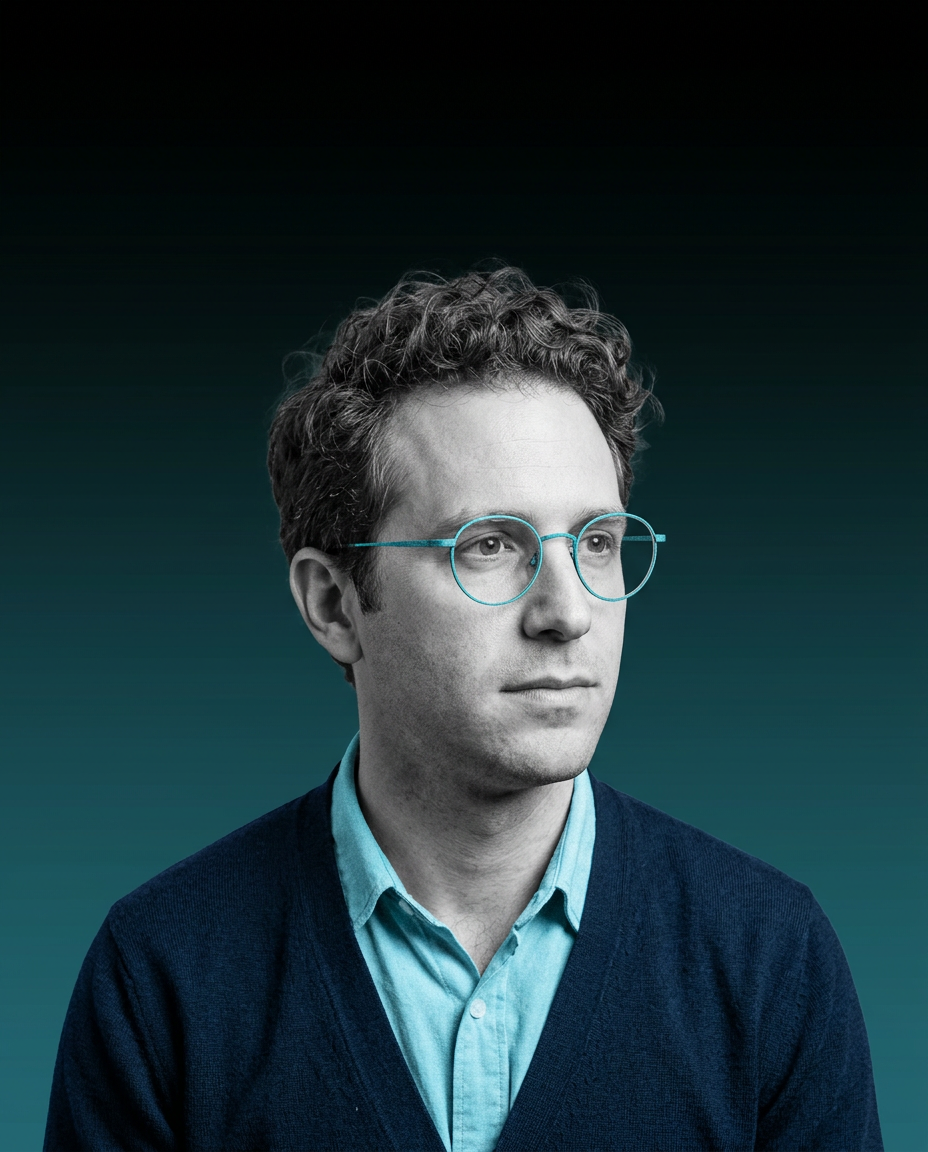
George Yancopoulos has built Regeneron into a drug powerhouse through internal science, not acquisitions — a bet that's paid off with more than 1,000 patents and a string of blockbuster drugs.
George Yancopoulos, Regeneron's chief scientific officer and a company co-founder, holds more than 1,000 patents and has built the drugmaker's pipeline entirely through internal discovery rather than acquisitions.
"We've shown that you can build a major pharmaceutical company by focusing on the science rather than the business development deals," Yancopoulos said in a recent interview.
Regeneron's approach has produced blockbusters including Eylea for wet age-related macular degeneration, Dupixent for inflammatory conditions such as eczema and asthma, and REGEN-COV for Covid-19. The company's market capitalization has grown to more than $100 billion, making it one of the largest biotech firms globally by value.
The strategy stands in contrast to peers such as Pfizer and AbbVie, which have relied heavily on large acquisitions to fill pipeline gaps. Regeneron's research and development spending as a percentage of revenue has consistently exceeded the industry average, according to company filings.
A Pipeline Built on Biology
Regeneron's discovery engine centers on its proprietary VelociSuite technologies, a suite of genetic engineering platforms that accelerate drug target identification and antibody development. The platform has generated more than a dozen approved drugs and dozens more in clinical development, spanning oncology, immunology, and genetic diseases.
Yancopoulos, who joined Regeneron at its founding in 1988, has overseen the company's expansion from a startup with fewer than 50 employees to a global biopharmaceutical company with more than 12,000 staff. His patent portfolio — among the largest of any living scientist — covers foundational technologies in antibody discovery, gene editing, and cell-based assays.
The R&D Dividend
Regeneron's organic growth model has delivered consistent financial returns. The company reported $13.6 billion in revenue in 2024, driven largely by Dupixent, which it co-markets with Sanofi, and Eylea, co-marketed with Bayer. Dupixent alone generated more than $12 billion in global sales in 2024, making it one of the best-selling prescription drugs worldwide.
The company's operating margin has averaged above 30% over the past five years, reflecting the cost advantage of internally developed drugs versus in-licensed or acquired assets, which typically carry higher royalty obligations and integration costs.
For investors, the Yancopoulos-led strategy signals that Regeneron can sustain its innovation cycle without the dilution or execution risk that often accompanies large M&A. The next catalyst to watch is the late-stage readout for its investigational antibody targeting obesity, a market projected to exceed $100 billion annually by 2030.
This article is for informational purposes only and does not constitute investment advice.