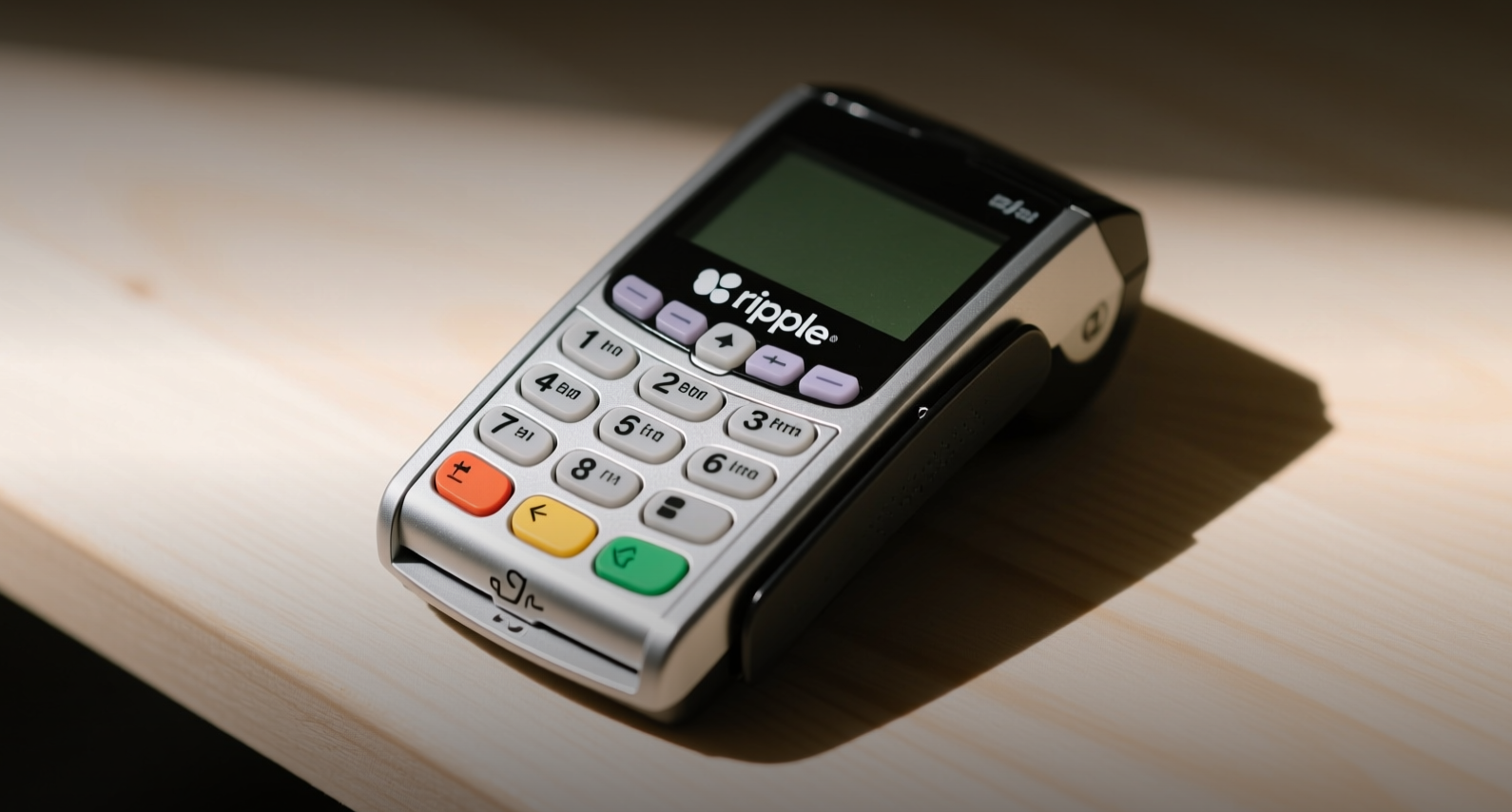
Ripple is now one of roughly 210 fully licensed crypto firms in Europe after most of the 1,200-plus companies that once operated there lost the right to serve EU customers.
Luxembourg's Commission de Surveillance du Secteur Financier on July 6 upgraded Ripple's preliminary Crypto-Asset Service Provider authorization into a full license under the European Union's Markets in Crypto-Assets framework, clearing the company to offer regulated crypto payments across all 30 European Economic Area countries.
"This CASP authorization means Ripple enters the post-transitional MiCA era fully compliant and ready to scale," Cassie Craddock, Ripple's managing director for the UK and Europe, said in a statement. "The institutions we work with across Europe are looking to build their digital assets services alongside regulated partners, and Ripple is licensed and ready to meet that demand."
The license adds to more than 75 regulatory approvals Ripple holds globally and complements its existing EU Electronic Money Institution authorization. Together, the two licenses let European banks, fintechs and businesses move both fiat and crypto through a single Ripple setup. The approval comes days after the EU's MiCA transition period ended July 1, when roughly 1,000 of the 1,200-plus crypto firms that previously served EU customers became legally required to stop serving the bloc. Tether, the largest stablecoin issuer by market cap, did not pursue MiCA compliance, and its USDT token was pulled from European exchanges including Binance and Coinbase.
The license strengthens Ripple's competitive position in Europe but does not directly benefit XRP. The token slipped about 3% when the preliminary version of this approval came through in June, and today's announcement barely mentions XRP — the token appears once, in the standard company description at the bottom of the release. For XRP to gain, Ripple's European payment volume would need to route through the XRP Ledger, where each transaction carries a fractional fee paid in XRP. Most of Ripple's payments today settle in RLUSD or fiat, and RLUSD itself has not yet received MiCA stablecoin approval — the same regulatory pathway that Circle's USDC already holds.
What the license covers — and what it doesn't
The CASP authorization covers crypto transfers, custody, exchanging crypto for fiat, and operating trading infrastructure, according to Ripple. It does not cover stablecoin issuance. MiCA runs a separate approval process for stablecoins, and RLUSD has not yet been approved under those rules. Ripple holds the EU money license it would need to get RLUSD approved, but until that happens, its own stablecoin cannot be offered to the public in Europe.
The distinction matters because Ripple's regulated payments business — not XRP — is the centerpiece of its European expansion. Ripple Payments has handled more than $100 billion across 60-plus markets, and the company says the MiCA license lets it scale that product to European financial institutions that are looking for regulated crypto partners.
XRP's path to benefiting remains indirect
XRP traded near $1.10 as of July 10, according to CoinGecko, with spot XRP ETFs recording $7.29 million in net outflows on July 8 — the largest single-day withdrawal since March. The token faces resistance near $1.114 and $1.127, the 61.8 percent and 50 percent Fibonacci retracement levels.
The catalysts that could move XRP are elsewhere. The CLARITY Act, which would provide regulatory clarity for digital assets in the US, still awaits a Senate vote expected before the August recess. XRP is also testing the top of a year-long falling wedge pattern, a technical setup that traders watch for potential breakouts. Until European payment volume flows through the XRP Ledger at scale, Ripple's regulatory wins in Europe and XRP's price action will remain largely disconnected.
This article is for informational purposes only and does not constitute investment advice.