

A mine explosion on a tanker in the Strait of Hormuz threatens to reignite the oil risk premium just as US-Iran diplomatic talks gain momentum.
A mine explosion on a tanker in the Strait of Hormuz threatens to reignite the oil risk premium just as US-Iran diplomatic talks gain momentum.
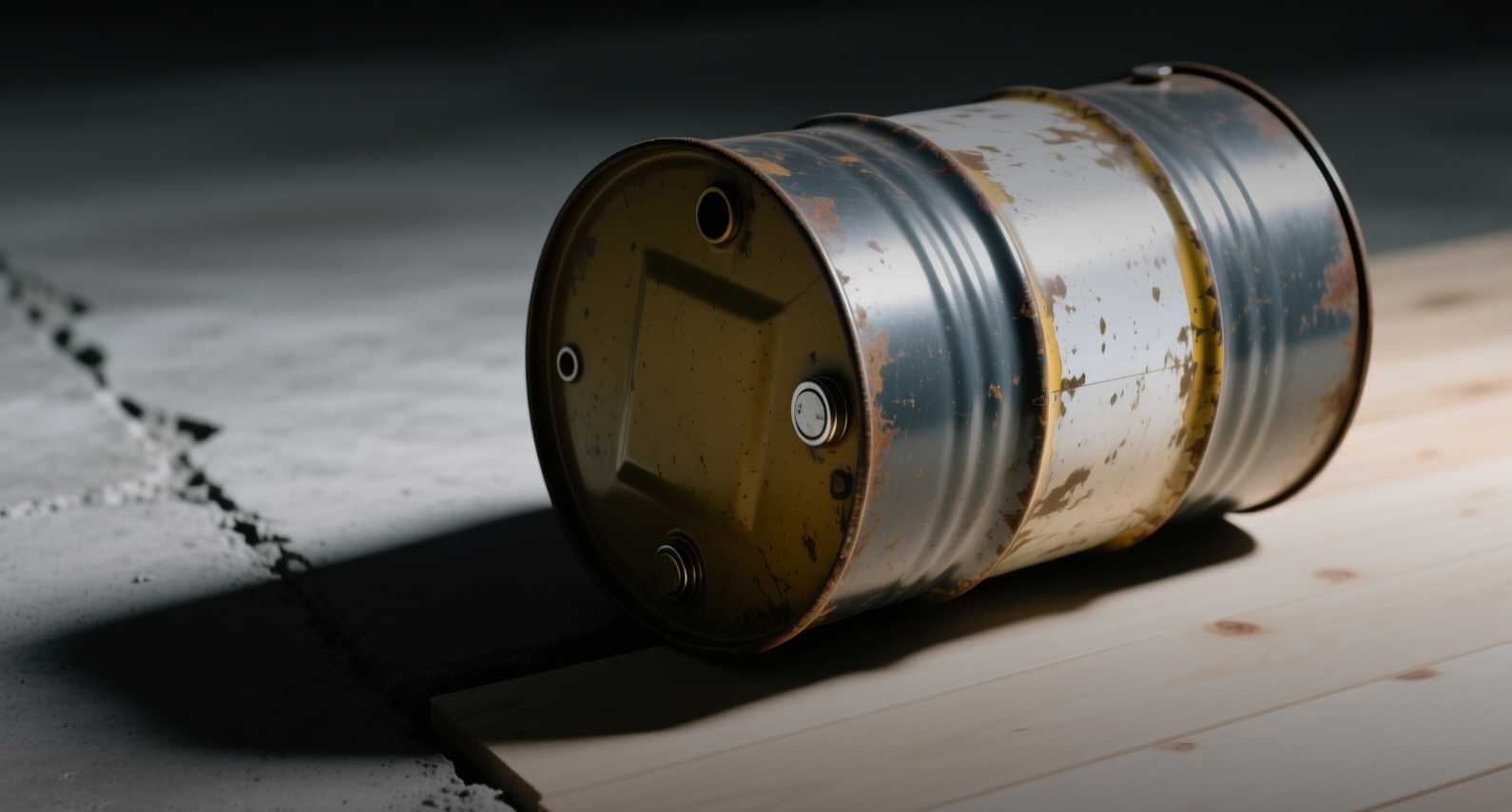
A mine explosion on a tanker in the Strait of Hormuz threatens to reignite the oil risk premium just as US-Iran diplomatic talks gain momentum.
A tanker struck a naval mine and exploded in the Strait of Hormuz on Sunday, the first such incident since US airstrikes paused, pushing WTI crude closer to the $100 threshold.
"This is precisely the kind of asymmetric escalation that keeps the insurance and freight markets on edge," said Elena Fischer, geopolitical risk analyst at Edgen. "The Strait remains the single most consequential chokepoint for global oil supply."
The tanker was navigating a route that deviated from Iran's designated shipping corridor when it hit the mine, according to Iran's Fars News Agency via Xinhua. The incident follows 13 consecutive nights of US airstrikes on Iranian targets — a campaign that paused over the weekend as technical and political consultations resumed between Iran and Oman. The US naval blockade of Iran remains in full effect, the Pentagon said. Separately, the United Kingdom Maritime Trade Operations reported a projectile splash near a tanker transiting the southern Red Sea on the same day.
The Strait of Hormuz handles roughly 20% of the world's oil trade, or about 17 million barrels per day. Prediction markets have already priced a 6.5% probability of WTI reaching $100 in July. If the mine strike is attributed to state actors or triggers further escalation, the risk premium embedded in crude options could widen sharply, pushing Brent and WTI into triple-digit territory for the first time since 2022.
The explosion comes at a fragile moment in US-Iran relations. President Donald Trump paused the bombing campaign after nearly two weeks of intensifying strikes, while his administration continues to enforce a naval blockade that has effectively closed the Strait to commercial shipping. Iran's foreign ministry described the ongoing talks with Oman as "productive," though no timeline for a broader agreement has been announced.
Adding to the uncertainty is Israeli Prime Minister Benjamin Netanyahu's planned visit to Washington next week. Israel launched military operations alongside the US on Feb. 28 but has been notably absent from the renewed American strikes. "The Iranians understand that perhaps it could get worse because Israel could come into the conflict," said Michael Singh, managing director at the Washington Institute for Near East Policy and a former senior Middle East director on the National Security Council. On the other hand, Israel's lack of involvement so far "may signal to the Iranians that we're looking to limit the conflict," he said.
Historical context
The last time a commercial vessel was struck by a naval mine in the Strait of Hormuz was during the 1987-1988 Tanker War, when Iran targeted Kuwaiti and Saudi tankers, prompting Operation Earnest Will — a US Navy escort mission. During that period, crude oil prices rose roughly 15% over three months, and war risk insurance premiums for vessels transiting the Gulf surged tenfold, according to historical shipping data.
Market implications
WTI crude oil has already priced a geopolitical premium since the US strikes began in late February. The mine explosion adds a new layer of supply risk at a time when OPEC+ spare capacity is concentrated in Saudi Arabia and the UAE — both of which rely on the Strait for exports. A sustained closure could force buyers to tap strategic petroleum reserves; the US Strategic Petroleum Reserve held 375 million barrels as of June, according to the Energy Department, enough to cover roughly 60 days of net imports.
Gold, a traditional safe haven, has also drawn bids as uncertainty has mounted, while defense sector equities have outperformed the broader market since the conflict escalated. The VIX, Wall Street's fear gauge, has remained elevated above 20 for most of the past month.
This article is for informational purposes only and does not constitute investment advice.
