
The first-ever use of a Depression-era trade statute against Canada takes effect at midnight Saturday, hitting autos, alcohol, and dairy.
The first-ever use of a Depression-era trade statute against Canada takes effect at midnight Saturday, hitting autos, alcohol, and dairy.
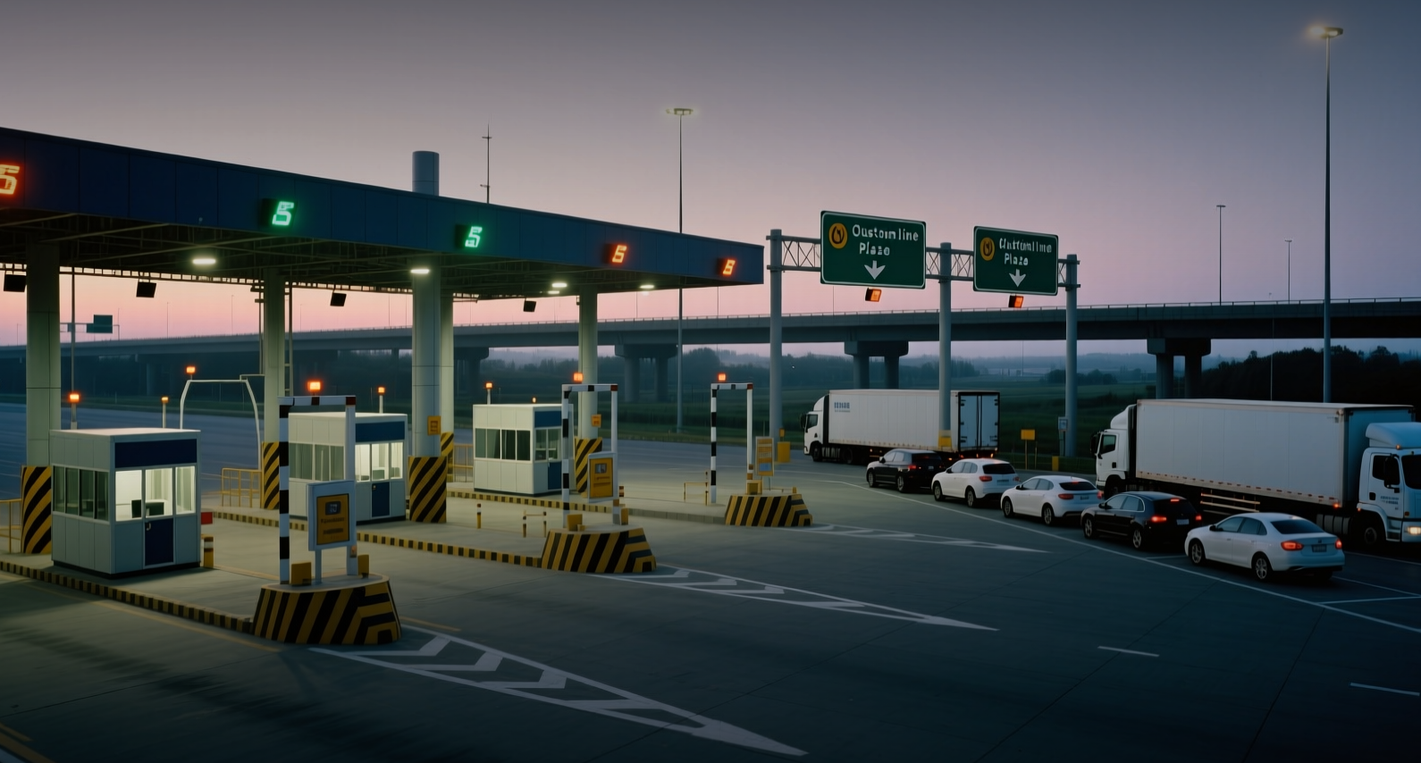
The first-ever use of a Depression-era trade statute against Canada takes effect at midnight Saturday, hitting autos, alcohol, and dairy.
The US will impose 50 percent tariffs on $20 billion of Canadian imports at 12:01 a.m. ET Saturday, marking the first-ever use of Section 338 of the Tariff Act of 1930 against America's largest trading partner.
Customs and Border Protection has begun rolling out implementation guidance following three presidential proclamations issued July 20, which cite "a pattern of Canadian policies that disadvantage American exporters," including surtaxes on US motor vehicle imports and tariff-rate quotas favoring EU dairy products under CETA.
Motor vehicles, alcoholic beverages, and dairy products bear the brunt of the action. Energy products and potash are carved out, as are items already subject to Section 232 tariffs on steel and aluminum. The duties stack on top of existing tariffs, with no exemptions under the US-Mexico-Canada Agreement. The action was originally scheduled for August 19 but was delayed 72 hours to allow negotiators more room to work.
The $20 billion in affected imports represents a substantial share of total US-Canada bilateral trade, which typically exceeds $700 billion annually. The move bypasses USMCA, the framework that replaced NAFTA in 2020, and marks a significant escalation from previous administrations that addressed trade grievances through WTO dispute panels, bilateral negotiations, or targeted tariffs under Section 301 or Section 232.
Section 338, enacted as part of the Tariff Act of 1930, grants the president authority to impose additional duties of up to 50 percent on goods from countries deemed to be discriminating against US commerce. The statute had never before been deployed against Canada, making this action both legally and symbolically significant.
The Section 338 action comes as the two countries are also negotiating over Section 232 tariffs on aluminum and steel. On August 19, two hours before 50 percent tariffs on a range of Canadian goods were set to take effect, the White House announced a 72-hour delay, citing ongoing progress in talks. Reports suggest a tentative trade deal may be reached that would reduce tariffs or establish a quota system for aluminum and steel.
Canada is the single largest importer of aluminum into the US, accounting for roughly 45 percent of total imports. The US Midwest premium — the primary transmission mechanism for tariff costs into the physical market — has risen 53 percent over the past 12 months, from 70.3 cents per pound in August 2025 to a peak of 118.9 cents per pound in May 2026, before easing to 107.7 cents per pound.
President Donald Trump has said he may bring tariffs down to "a level where other countries are," suggesting a possible 25 percent rate for primary aluminum and steel. However, the outlook for derivative products is more complicated, while current 25 percent tariffs on Canadian automotives may be lowered to 15 percent.
Canadian Prime Minister Mark Carney has publicly outlined the negative impact of pre-existing 50 percent tariffs on aluminum and its derivative products, according to StoneX Group analysis. The aluminum tariff regime has been amended multiple times since February 2025, when the White House raised Section 232 tariffs from 10 percent to 25 percent, then doubled them to 50 percent in June 2025 for most countries.
The tariff escalation is expected to pressure Canadian equities and the Canadian dollar, while certain US domestic producers could benefit from increased protectionism. The Section 338 duties stack on top of existing tariffs and trade remedies, meaning some Canadian goods could face combined duty rates well above historical norms.
An in-person meeting between Canada's Foreign Minister and the US Secretary of State is scheduled at the White House, as negotiators work to resolve both the Section 338 tariffs and the broader aluminum and steel dispute before the Saturday deadline. If no deal is reached, the tariffs will take effect as scheduled, potentially triggering retaliatory measures from Ottawa and further disrupting the $700 billion bilateral trade relationship.
This article is for informational purposes only and does not constitute investment advice.
