
Key Takeaways: Warsh's Jackson Hole debut arrives August 28 with markets pricing a one-in-three September hike chance, yet his record suggests the speech will withhold the clarity investors crave.
Key Takeaways: Warsh's Jackson Hole debut arrives August 28 with markets pricing a one-in-three September hike chance, yet his record suggests the speech will withhold the clarity investors crave.
Fed Chair Kevin Warsh will deliver his first Jackson Hole keynote on August 28 with markets pricing a roughly one-in-three chance of a September rate hike, even as three FOMC presidents have already dissented in favor of one.
"Warsh must address the elephant in the room — inflation — and say more than 'we're working on it,'" said Patrick Harker, former Philadelphia Fed president and professor at the University of Pennsylvania's Wharton School. "That kind of statement is no longer enough. Markets will be very disappointed."
The 9-3 vote to hold the federal funds rate at 3.50%-3.75% on July 29 marked the largest dissent bloc since September 2016, with Cleveland Fed President Beth Hammack, Minneapolis Fed President Neel Kashkari, and Dallas Fed President Lorie Logan each voting for a 25-basis-point hike. Minutes released August 19 showed several other participants favored an immediate increase, and many judged further tightening likely necessary if inflation does not move convincingly toward the 2 percent target.
With the September 16 FOMC decision just 19 days after the symposium, Warsh's speech — which he has described as addressing "big picture questions" rather than near-term guidance — could either confirm the market's roughly 32 percent hike probability or reset it. A deliberately vague address, consistent with his record since taking office in May, would leave the committee's internal split as the only actionable signal.
Warsh has built his early tenure around a "quieter Fed." He has shortened the post-meeting statement, curtailed the forward guidance that shaped Fed communication for more than a decade, and given deliberately evasive answers at both press conferences held so far. He told reporters after the July 29 meeting that the Fed operates independently of what markets are pricing. His own framing of the Jackson Hole speech reinforces the same posture.
That approach has drawn criticism from former officials. "The Fed's credibility is at risk — markets are beginning to think the committee doesn't really care about getting inflation to 2 percent," said Jim Bullard, former St. Louis Fed president and dean of Purdue University's Mitch Daniels School of Business. Bullard also warned that Warsh's silence on whether he would use rate hikes to achieve the 2 percent target is itself a source of market doubt.
The stakes are unusually high because inflation has now exceeded the 2 percent target for five consecutive years. July data showed cooling inflation — CPI rose just 0.1 percent — slowing job growth, and a 0.6 percent contraction in retail sales, which pushed the market-implied probability of a September hike from roughly 54 percent a week ago to approximately 32 percent as of August 14, according to CME FedWatch.
The more durable signal may sit inside the FOMC itself. Roughly half of participants penciled in hikes for 2026 at Warsh's first meeting in June, and three presidents dissented in favor of hikes in July — an unusually high level of dissent so early in a new chair's tenure. The last time three members simultaneously dissented in favor of a hike was September 2016, when the committee ultimately raised rates three months later.
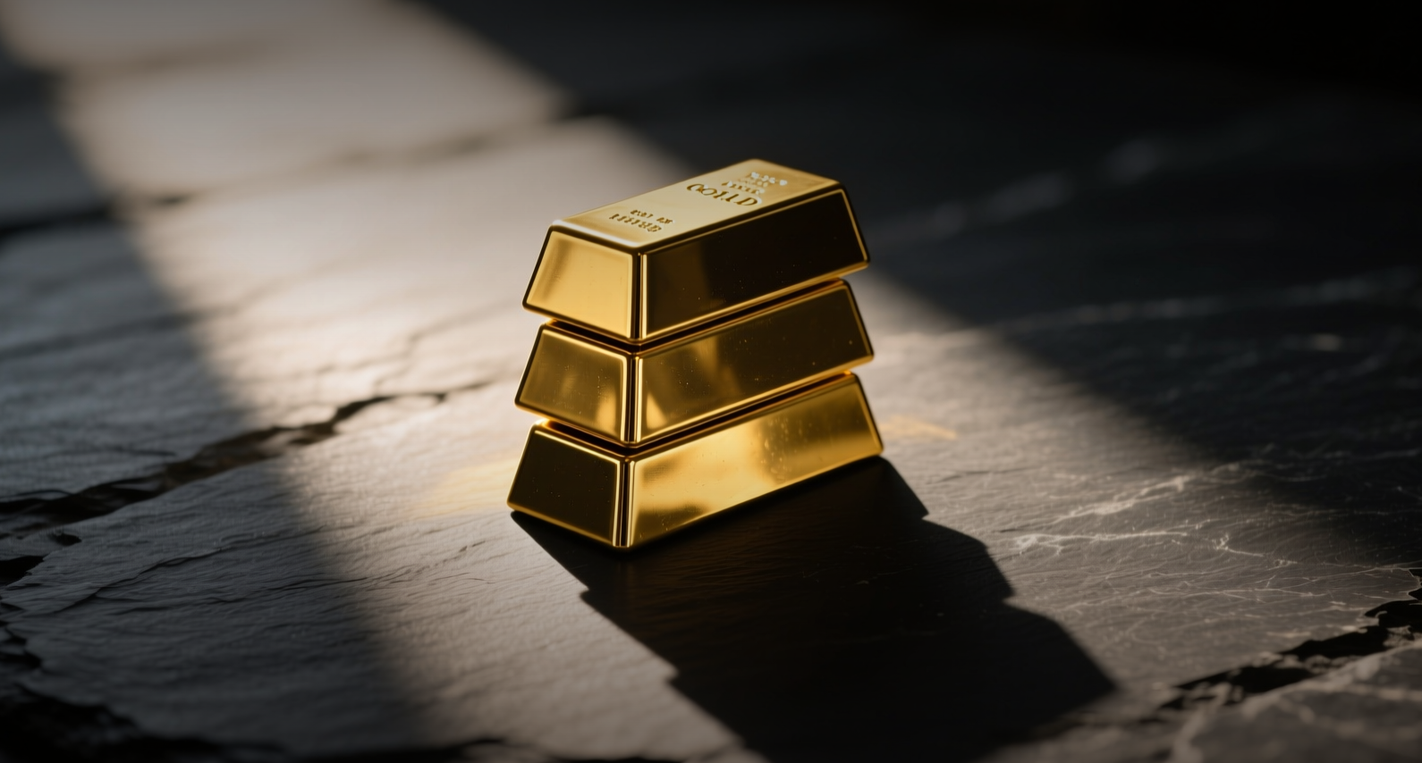
That internal split has already moved markets. Gold traded near $4,507 on August 19, up roughly 4 percent from its opening, while silver reached about $66.34, a 4.7 percent gain, as the 10-year Treasury yield eased toward 4.70 percent from a 20-month high near 4.75 percent. The dollar index traded near 99, historically weak territory, as benign US data eroded the case for imminent hikes.
Warsh has also proposed reducing the FOMC's annual meeting schedule from eight sessions to six beginning in 2027, a structural change disclosed in the August 19 minutes that would extend inter-meeting gaps and potentially reduce the frequency of dot plot releases. The proposal, which the committee discussed without conclusion, would compound the reduction in scheduled policy signals already underway under his leadership.
For markets, the question is whether Warsh uses Jackson Hole to elaborate on that framework or to signal anything about the rate path. Precedent from prior chairs — Ben Bernanke signaled QE2 at the 2010 symposium, and Jerome Powell used his 2022 address to commit to aggressive tightening — suggests the platform can carry policy weight. But Warsh has explicitly rejected the communication style those precedents were built on.
If Warsh stays vague, the September 16 decision becomes a data-dependent coin flip. If he signals anything hawkish, the roughly 32 percent hike probability could jump sharply, with carry-trade positioning in the Mexican peso — at record speculative longs of 83,700 contracts — amplifying any reversal. Either way, the 19 days between Wyoming and the September meeting will be the most consequential window of Warsh's tenure so far.
This article is for informational purposes only and does not constitute investment advice.
