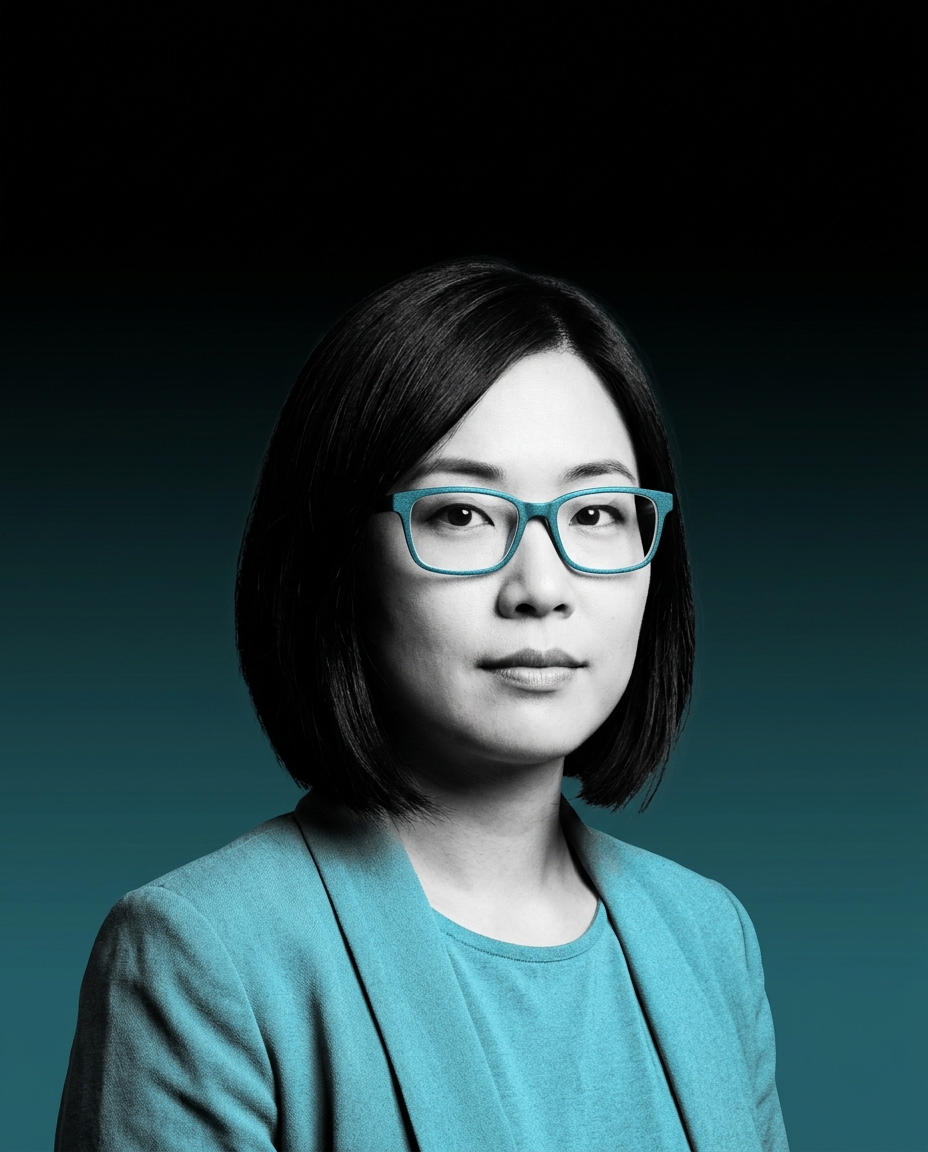
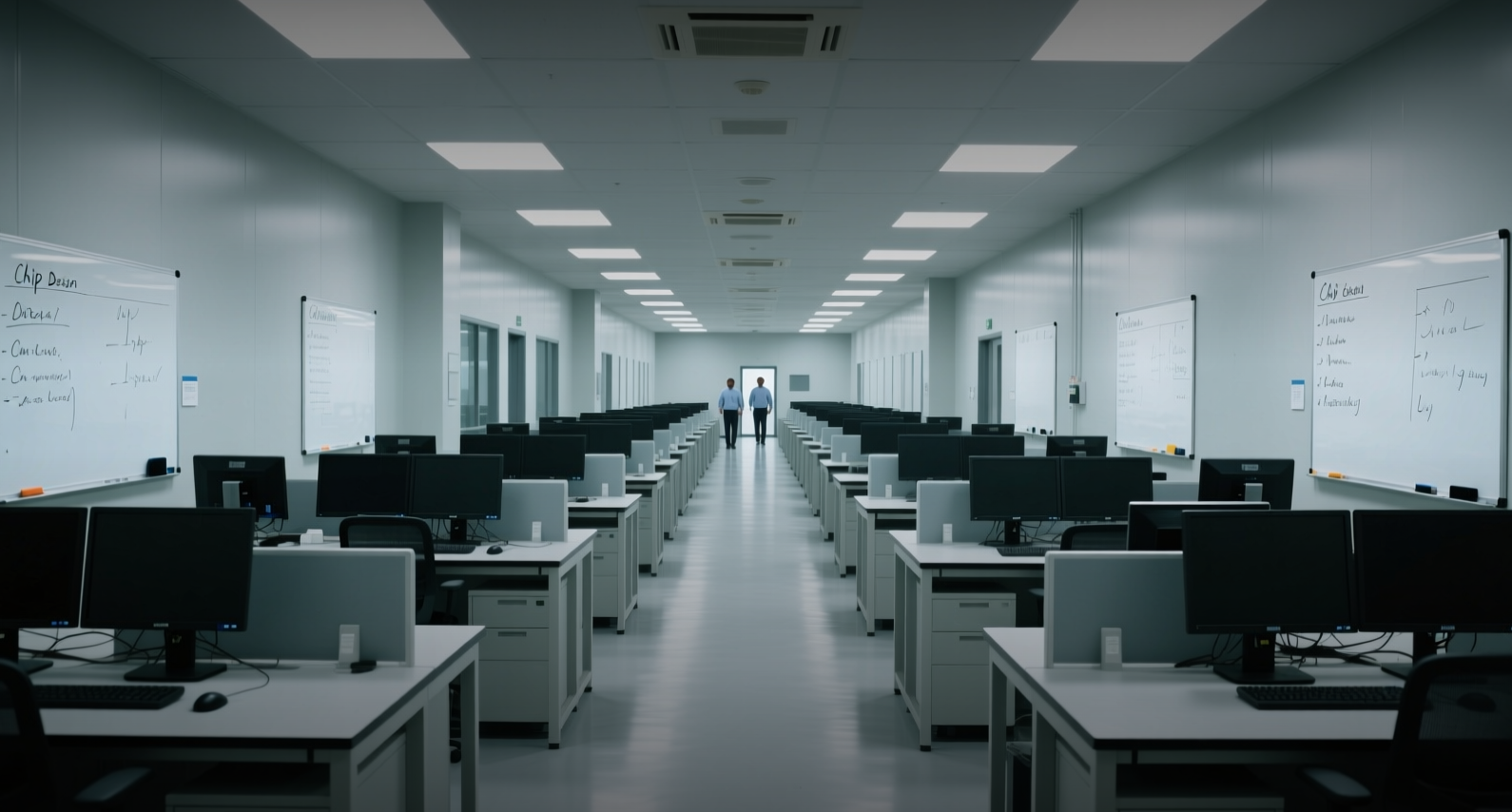
Anthropic has hired a senior executive from Google's chip division to lead a custom-silicon program, part of a strategy to reduce its dependence on Nvidia and Google hardware for its Claude AI models by 2028.
The appointment follows Anthropic's plan, detailed by AI Master, to build a chip-design team offering salaries of up to $485,000 a year to attract top engineering talent.
The custom chips are built to handle the specific demands of AI workloads, offering better efficiency and scalability than general-purpose hardware. They will work alongside rented systems rather than replace them immediately, with a deployment timeline of 18 months to three years and a realistic launch window around 2028.
The push puts Anthropic in direct competition with Google, Amazon, Microsoft and Meta, which already run proprietary chips. Anthropic's reliance on leased hardware, backed by billions in debt financing from Apollo and Blackstone, has left it exposed to rising costs and supply-chain constraints.
Anthropic's move mirrors a broader industry shift toward in-house silicon, where proprietary hardware is seen as essential for optimizing performance and cutting costs. Unlike general-purpose processors, custom chips can be tailored to the unique demands of AI computations, reducing the need for rented capacity from external providers.
Anthropic's operations have historically leaned on leased hardware supported by substantial debt financing. The company recently entered a $10 billion agreement with Volta to build a data center in Norway powered by Nvidia systems, a deal that shows its current dependence on external providers. Its funding structure involves intricate ties, including Google investing in Anthropic while simultaneously leasing chips to the organization. If revenue growth slows or operating costs rise, that model could strain finances and push costs onto end users. Custom silicon is meant to break those dependencies, though the transition requires significant upfront investment and careful planning.
Manufacturing Bottlenecks Loom Until 2028
Chip development is resource-intensive and complicated by global manufacturing constraints. Advanced packaging and high-bandwidth memory are in limited supply, and leading foundry TSMC has production schedules booked years in advance. New manufacturing capacity may not become available until 2028, a hurdle to Anthropic's timeline.
To address this, Anthropic is exploring partnerships and acquisitions, including a reported $6 billion deal to buy Dcard, a startup specializing in chip-optimization software. If completed, the acquisition could give Anthropic the tools and expertise to streamline development and improve performance. Delays in manufacturing or supply-chain disruptions could push back deployment, affecting Anthropic's ability to compete in the short term. The company is focusing in the interim on improving the availability and reliability of its Claude models, addressing capacity errors and ensuring a smooth user experience.
For investors, the stakes are clear. Nvidia, trading at a premium multiple on its data-center dominance, faces a growing list of customers building in-house alternatives. Anthropic's custom silicon, if it reaches market by 2028, could reduce its GPU procurement costs and tighten competition in the AI hardware supply chain. The program's success depends on attracting top talent, securing manufacturing partnerships and managing supply-chain constraints.
This article is for informational purposes only and does not constitute investment advice.