

Key Takeaways: Apple's first Mac mini refresh in two years arrives as the global memory-chip shortage collides with surging demand from developers running AI models locally.
Key Takeaways: Apple's first Mac mini refresh in two years arrives as the global memory-chip shortage collides with surging demand from developers running AI models locally.
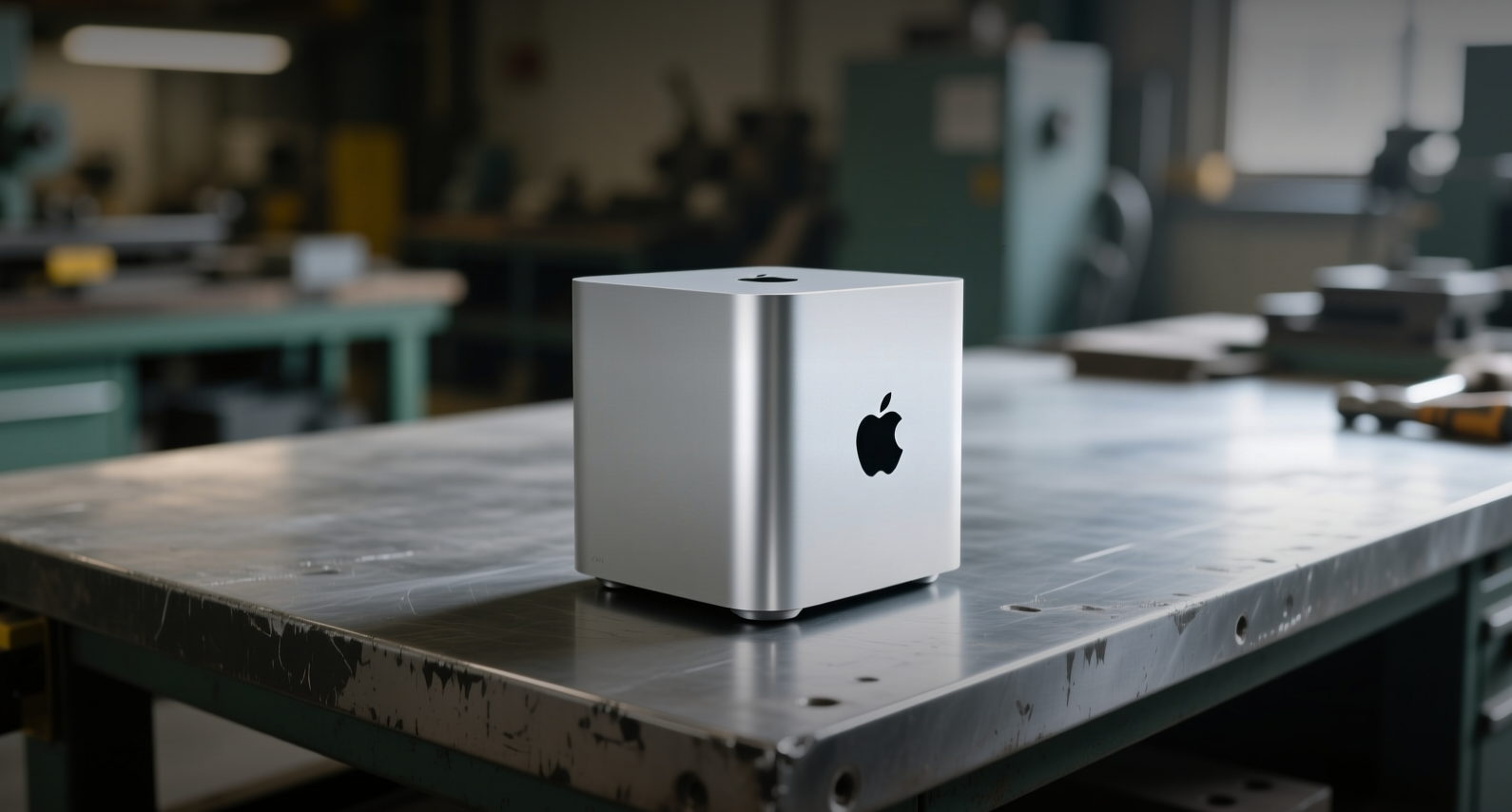
Apple is set to launch its first Mac mini refresh in two years, testing both M5 and M6 processors, as surging demand from developers running AI models locally collides with a global memory-chip shortage.
Chief Executive Tim Cook said the supply problem would take a while to resolve, with deliveries of the current model stretching to weeks or months, Bloomberg's Mark Gurman reported.
The Mac mini, last updated in November 2024 with M4 and M4 Pro chips and a more compact enclosure, has become an unusually coveted product as developers use it to run agentic large language models such as OpenClaw locally. Apple raised the starting price of the M4 model from $599 to $799, with the pricier version carrying twice the storage. The company tested the refresh with both M5 and M6 processor generations, in contrast with the upcoming iMac revamp, which will reportedly use M6 chips.
The launch comes as Apple prepares to begin manufacturing the Mac mini at its Houston facility later this year, a site that already produces and ships the company's AI servers. Apple said it invested hundreds of millions of dollars into the facility in less than nine months. Shares rose modestly in premarket trading Tuesday.
The Mac mini's popularity for local AI workloads has made it a supply-chain pain point. Deliveries to customers have taken weeks or months to complete, Gurman reported. The refresh arrives as the global memory-chip shortage pushes up component costs across the PC industry, a factor that could limit how aggressively Apple prices the new model. The Mac Studio, also refreshed, faces the same constraint.
The surge in demand reflects a broader shift toward running AI models on local hardware rather than in the cloud, where Nvidia and AMD GPUs dominate data-center workloads. Apple's unified memory architecture, which lets the Mac mini handle large language models without a discrete graphics card, has made the small desktop a favored tool for developers and researchers. That positioning has turned a niche product into a strategic asset for Apple's AI push.
Beyond the Mac mini, Apple has a slate of Mac updates in the pipeline. An iMac with new color options and a refreshed entry-level MacBook Pro will use M6 chips. The most significant introduction will be Apple's first touch-screen computer, with 14-inch and 16-inch MacBook Pro models featuring redesigned cases and OLED screens. New MacBook Air and MacBook Neo models are expected next year, along with second-generation touchscreen MacBook Pros powered by M7 chips. A new iPad mini, with an OLED display and an A19 Pro or A20 chip, could arrive by the end of October, weeks after the expected launch of the foldable iPhone Ultra, which opens to a display size similar to the iPad mini.
Apple shares, which rose modestly in premarket trading, face a tension between strong AI-driven demand and supply constraints that could cap near-term sales. The Houston manufacturing move, part of a broader US production push, adds cost but shortens the supply chain for a product that has become central to Apple's AI ambitions. Rivals Nvidia and AMD, whose GPUs dominate data-center AI workloads, face a different dynamic as Apple pushes local inference onto its own silicon. If Apple can resolve the memory-chip bottleneck, the Mac mini's role as an affordable entry point into local AI could support hardware sales growth into next year.
This article is for informational purposes only and does not constitute investment advice.
