
Archer Aviation and Anduril Industries unveiled a co-developed autonomous VTOL aircraft platform at the Farnborough Airshow, targeting both defense and commercial markets.
Archer Aviation and Anduril Industries unveiled a co-developed autonomous VTOL aircraft platform at the Farnborough Airshow, targeting both defense and commercial markets.
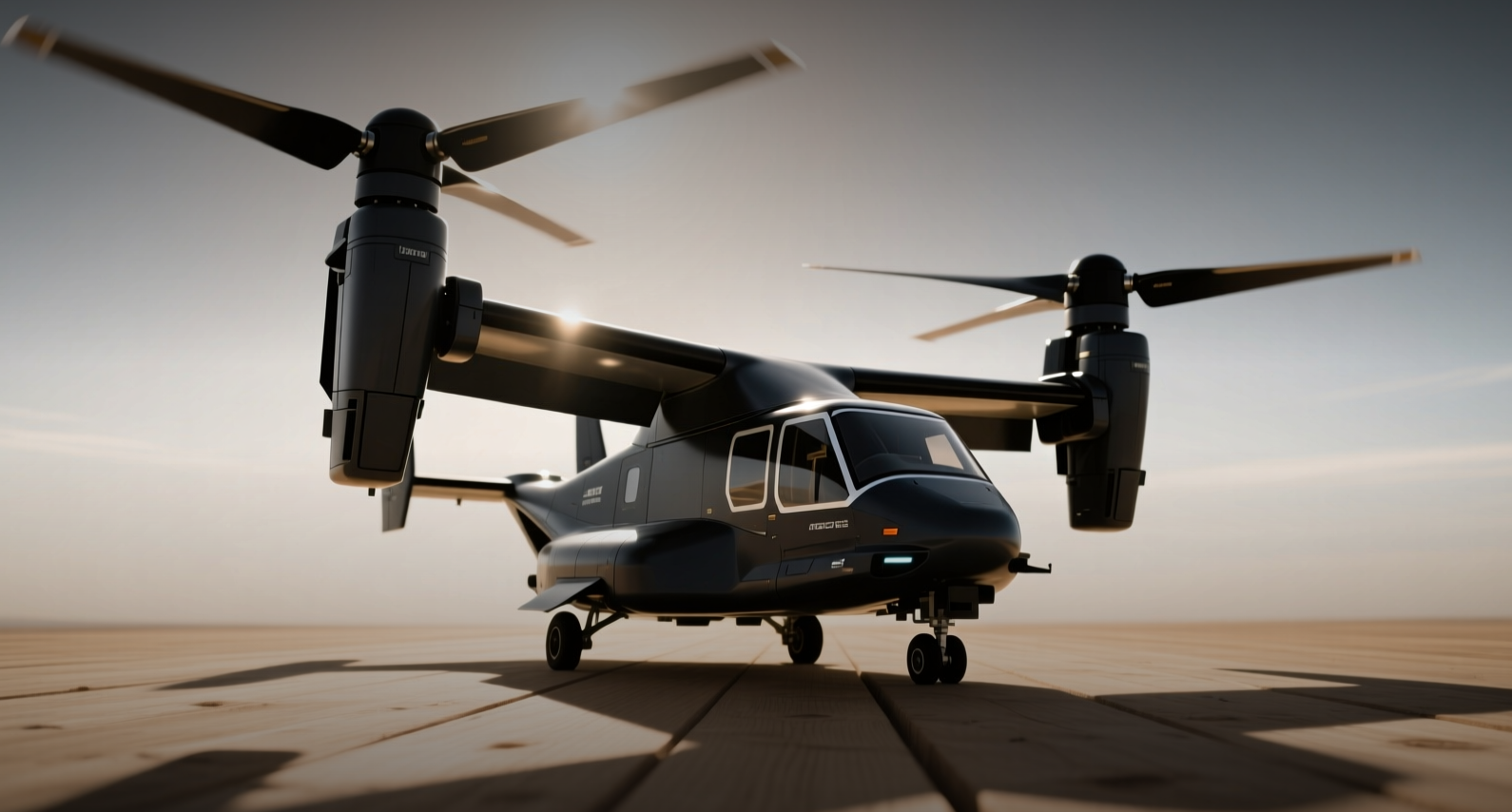
Archer Aviation and defense technology company Anduril Industries unveiled a co-developed autonomous aircraft platform at the Farnborough Airshow on Monday, as aerospace startups push beyond urban air taxi services into military and heavy-duty commercial applications where certification timelines are shorter and revenue potential is larger.
The platform, developed under a 2024 partnership, uses a series hybrid-electric powertrain with tilt rotors designed to vary rotor speed across flight conditions. Anduril introduced the defense variant, called Thunder, as a Group 5 autonomous attack rotorcraft intended to operate alongside current and next-generation crewed attack and assault aircraft.
"We built a very specific aircraft for that need," Archer CEO Adam Goldman said in an interview. "Anduril has done a very good job of identifying needs and then building ahead of those needs before programs ever get announced."
The Thunder is aimed at operators of Boeing AH-64 Apache helicopters and armed reconnaissance aircraft, according to Anduril. Mission profiles include military strikes, cargo movement, remote logistics and operations from austere locations. The companies have completed multiple test flights using full-scale surrogate aircraft, with Thunder's first flight planned for 2027.
Why defense, not air taxis
The partnership reflects a strategic pivot for the eVTOL sector, which has struggled with certification delays, infrastructure hurdles and steep capital requirements that have pushed commercial air taxi services further into the future. Developers of electric vertical takeoff and landing aircraft have been looking to expand beyond urban air mobility, once projected as a trillion-dollar market, to find nearer-term revenue.
For Archer, the defense partnership offers a path into military procurement budgets while the commercial air taxi timeline remains uncertain. The company, best known for developing its Midnight electric air taxi, will unveil the commercial variant of the platform and announce its first commercial customers later this week at Farnborough.
"When you want to look at a product that can have large-scale use on the defense side, they typically will need to be built and designed and catered towards that very specific customer and use case," Goldman said.
The hybrid-electric powertrain extends the platform's range beyond what battery-only eVTOL aircraft can achieve, enabling missions that require longer endurance than short urban hops. This addresses a key limitation of pure-electric air taxis and opens broader markets in logistics, cargo and remote operations.
Competitive landscape and market implications
The Archer-Anduril platform enters a defense aviation market dominated by crewed helicopters from Boeing, Lockheed Martin's Sikorsky and Textron's Bell. Autonomous rotorcraft remain a nascent category, with most military drone spending concentrated on fixed-wing systems such as General Atomics' MQ-9 Reaper and smaller quadcopter-type platforms.
Anduril, valued at $14 billion after its most recent funding round, has built a portfolio of autonomous systems including the Ghost and Roadrunner drones. The company's approach of developing hardware ahead of formal government programs — rather than responding to requests for proposals — has distinguished it from traditional defense contractors.
Archer shares have been volatile as the company burns cash while awaiting FAA certification for its Midnight aircraft. The company reported $1.8 million in revenue in its most recent quarter against operating expenses of $108 million, underscoring the urgency of finding revenue streams beyond air taxis.
The companies said the platform is designed for both military and commercial applications from the ground up, rather than retrofitting an existing aircraft. "Anyone who operates Apache, anyone who operates armed reconnaissance helicopters" is the target customer for Thunder, Anduril's Shane Arnott said.
This article is for informational purposes only and does not constitute investment advice.
