

Bloom Energy's 25 GW pipeline puts a concrete number on the AI data center power race — fuel cells win on permits, not just technology.
Bloom Energy's 25 GW pipeline puts a concrete number on the AI data center power race — fuel cells win on permits, not just technology.
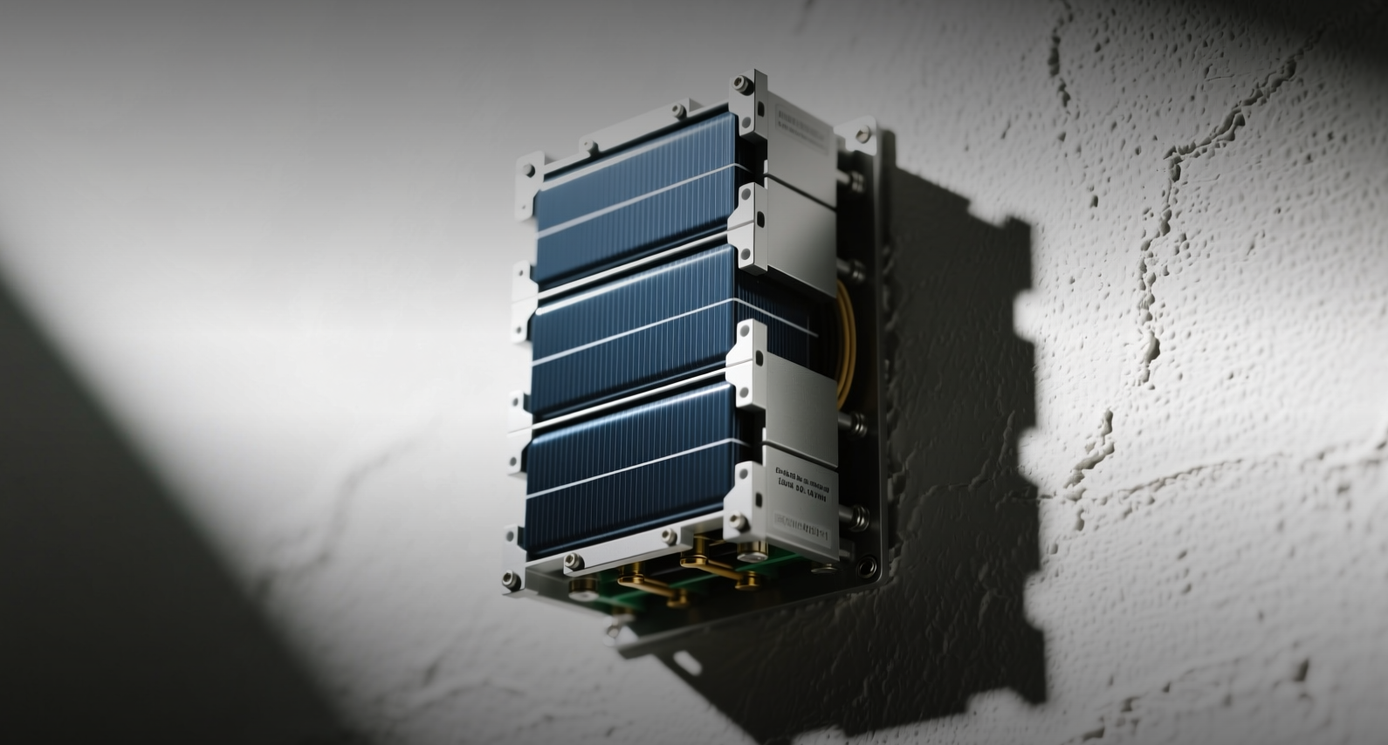
Bloom Energy says it has visibility on 25 gigawatts of fuel cell deployments, a pipeline worth tens of billions of dollars as AI data centers race to secure on-site power without waiting years for grid connections.
"We have visibility currently based on what we are working for 25 gigawatts of like deployments," K.R. Sridhar, chief executive at Bloom Energy, said on the second-quarter earnings call. "And we are not dependent on China" for scandium, the critical material in its solid-oxide fuel cells.
Bloom reported record second-quarter revenue of $1.065 billion, up 166 percent year over year, with adjusted earnings of $0.78 per share nearly doubling consensus estimates. The company raised full-year 2026 guidance to $3.9 billion to $4.2 billion in revenue and $2.55 to $2.85 in adjusted EPS, and its manufacturing footprint can deliver 5 gigawatts of product annually.
At roughly $700 million to $800 million of revenue per gigawatt, the 25-gigawatt pipeline implies a cumulative revenue opportunity in the tens of billions of dollars over the next decade, before service income. Bloom shares trade at about 87 times forward adjusted earnings, reflecting expectations that the company can convert its pipeline into recurring revenue.
The permitting advantage is the structural driver behind the pipeline. When Nebius Group switched its planned 300-megawatt data center in Vineland, New Jersey, from gas turbines to Bloom's solid-oxide fuel cells, the company cited regulatory reasons. Gas turbines at data center scale typically qualify as major stationary sources under the Clean Air Act, triggering Prevention of Significant Deterioration review — a process that can take one to three years and includes mandatory public comment periods. Bloom's fuel cells produce electricity through an electrochemical process rather than combustion, generating near-zero nitrogen oxides and qualifying as minor sources under streamlined state-level permitting.
Oracle's Project Jupiter campus in Doña Ana County, New Mexico, adopted Bloom fuel cells after its original turbine plan was rejected on air quality grounds, cutting projected NOx emissions by about 92 percent. Nebius's chief infrastructure officer, Andrey Korolenko, said the fuel cells "allow us to unlock and expedite" multiple sites, and the company raised its year-end contracted power target to 5 gigawatts.
Bloom's Q2 results confirmed the scale story. Operating income swung from a $3.5 million loss a year earlier to $182.2 million, operating cash flow reached $226.4 million, and the company ended the quarter with $2.67 billion on its balance sheet. The company now serves roughly two dozen AI infrastructure customers with about 250 megawatts of contracted capacity, up from essentially none two years ago.
Named customers include Oracle, Nebius, Brookfield Asset Management, American Electric Power, and Equinix. The Brookfield financing partnership expanded from $5 billion to $25 billion in late June, giving customers structured financing options. The Nebius master services agreement carries up to $2.6 billion in service fees.
A class action lawsuit filed by Kaplan Fox & Kilsheimer on August 4 alleges Bloom made false or misleading statements about its reliance on Chinese-sourced scandium oxide. Bloom has denied the allegations and stated in a July 9 SEC filing that it can support 25 gigawatts of annual fuel cell production without Chinese-sourced scandium. Independent supply estimates for high-purity scandium oxide available outside China run at roughly 40 to 60 metric tons per year, while Bloom has not published a specific annual consumption figure.
Short seller Hunterbrook Media has maintained its short position even after the Nebius announcement. Wells Fargo carries the most cautious major-house view with a Hold rating and $176 target, citing combustion turbine competition after 2030. Bullish analysts include Evercore ISI's Nicholas Amicucci at $350 and Passage Research at $310.
Bloom shares trade at roughly 87 times forward adjusted earnings and 17 times forward sales, well above sector averages. The market is pricing continued rapid execution — the question is whether the 25-gigawatt visibility converts into contracted orders at the pace guidance implies. With the EPA's January 2026 rules reorganizing turbine permitting and some environmental groups challenging the fuel cell framing as "greenwashing" for fossil-fuel-dependent projects, the regulatory tailwind may narrow over time. For now, Bloom's ability to deliver power in months rather than years gives it a structural edge that gas turbines cannot match at AI data center scale.
This article is for informational purposes only and does not constitute investment advice.
