

Key Takeaways:
- Revenue of $674 million rose 1% YoY, matching consensus expectations.
- Subscription revenue jumped 12% to $333 million, offsetting firewall weakness.
- Management maintained its full-year outlook and flagged a stronger Q4 pipeline.
Key Takeaways:
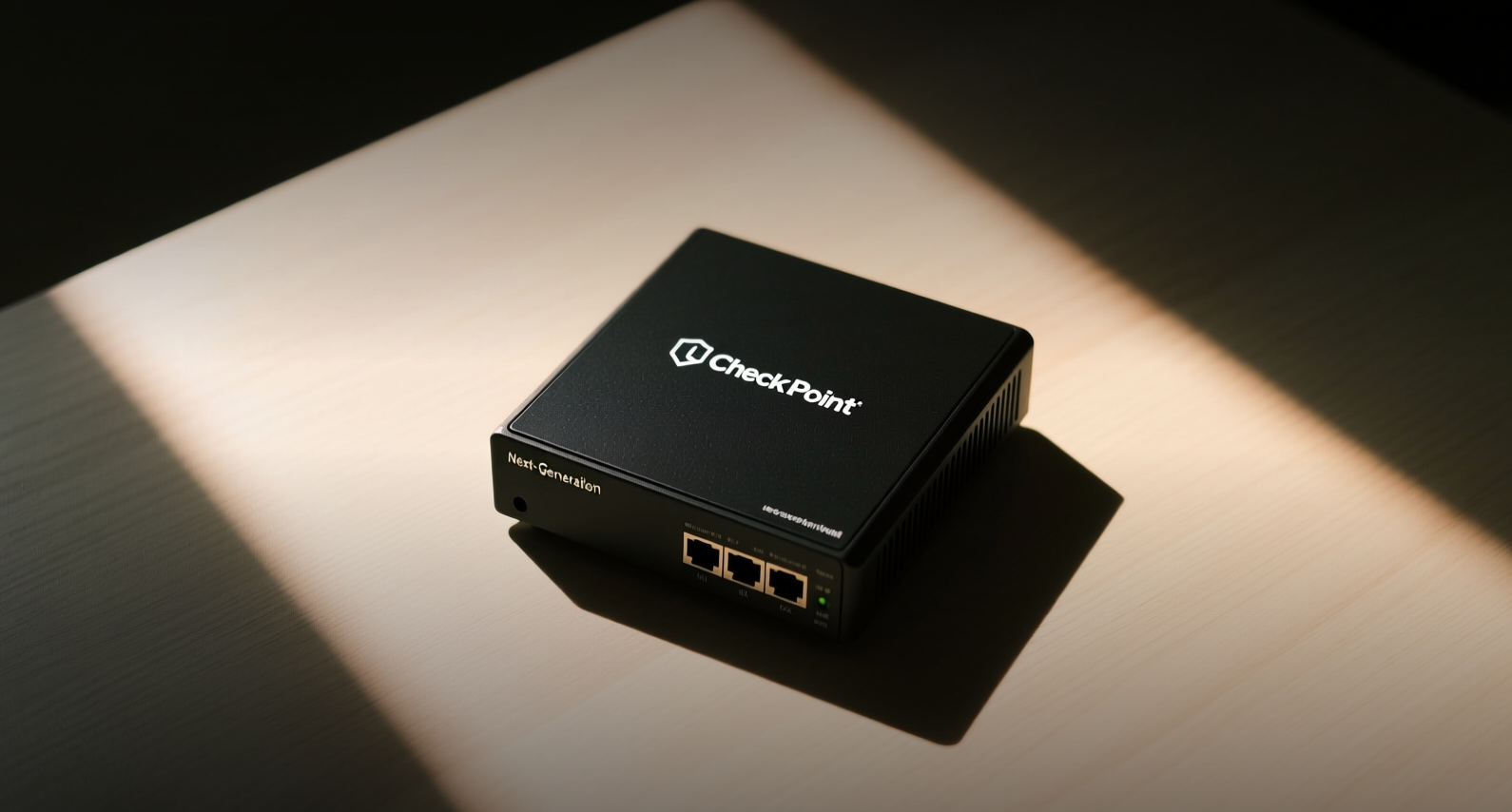
Check Point Software Technologies Ltd. reported second-quarter revenue of $674 million, up 1% from a year earlier and in line with analyst estimates, as growth in security subscriptions offset weaker demand for firewall appliances.
"The results are in line with our expectations while we strengthen our foundation for sustainable growth," Chief Executive Officer Nadav Zafrir said. The company is expanding sales capacity and focusing on its Network AI Firewall and AI Defense platform to help enterprises adopt AI safely, he added.
Subscription revenue rose 12% to $333 million, while product and license revenue fell 14% to $113 million, reflecting the ongoing shift from hardware to recurring services. Non-GAAP earnings per share reached $2.55, up 8% from $2.37 a year earlier, while GAAP EPS came in at $1.87. Remaining performance obligations, a measure of contracted but unfulfilled business, totaled $2.6 billion, a 7% increase from a year ago.
Cash flow from operations was $170 million in the quarter, or 25% of revenue, compared with $262 million a year earlier. The decline partly reflected a $14 million benefit from currency hedging in the current period versus a $50 million benefit a year ago. Adjusted free cash flow was $161 million, representing a 24% margin. Check Point held $4.2 billion in cash, marketable securities and short-term deposits as of June 30, up from $2.9 billion a year earlier, partly due to proceeds from a $2 billion convertible note offering. The company repurchased about 2.5 million shares for $325 million during the quarter.
On a GAAP basis, operating income was $185 million, or 27% of revenue, compared with $204 million a year earlier. Non-GAAP operating income was $260 million, representing a 39% margin. Research and development expenses included a $28 million reduction related to a new Israeli R&D tax incentive program enacted in March.
The cybersecurity sector has seen a broad shift toward subscription-based models as enterprises prioritize cloud-delivered security over on-premise appliances. Rivals including Palo Alto Networks and Fortinet have reported similar trends, with subscription revenue growth outpacing product sales. Check Point's 12% subscription growth and $2.6 billion in remaining performance obligations suggest its transition is progressing, though the pace lags some peers that have reported subscription growth rates above 20%.
The shift from hardware to subscriptions has pressured near-term product revenue but boosted recurring income. Check Point maintained its full-year 2026 outlook and pointed to a stronger fourth-quarter pipeline, suggesting management expects subscription momentum to accelerate in the second half. Investors will watch the Q3 earnings call for evidence that the sales capacity expansion is translating into faster billings growth.
This article is for informational purposes only and does not constitute investment advice.
