

Chevron's plan to pour $7 billion into Venezuelan oilfields to reach 600,000 barrels of daily output hinges on a Trump administration policy that critics say could distort markets and deter the foreign investment the country needs.
Chevron's plan to pour $7 billion into Venezuelan oilfields to reach 600,000 barrels of daily output hinges on a Trump administration policy that critics say could distort markets and deter the foreign investment the country needs.
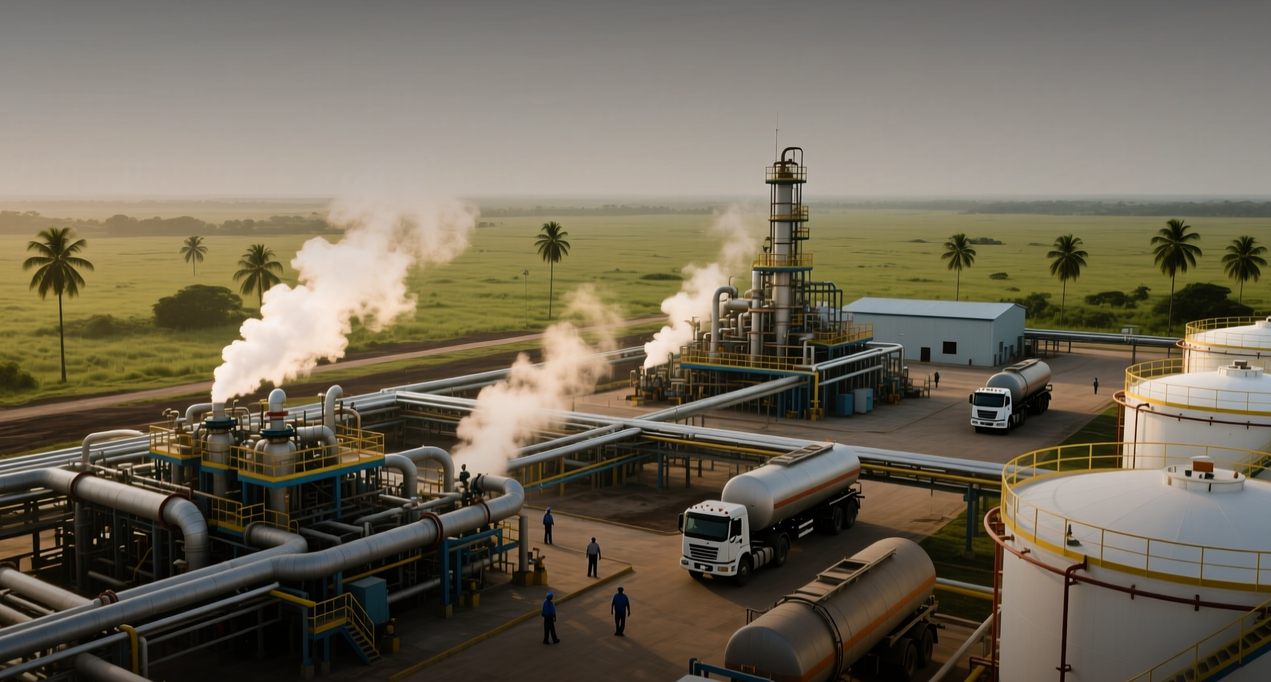
Chevron will invest more than $7 billion over five years to more than double its Venezuelan output to 600,000 barrels a day, betting that the Trump administration's Pentagon-backed opening of the country's oil sector survives political and legal scrutiny.
"By granting NABEP and the U.S. government privileged commercial terms, Washington risks creating a two-tiered market in Venezuela," said Ron Bousso, energy columnist at Reuters. "Investors may question whether future projects will compete on economic merit or political connections."
Chevron said it received additional acreage in the Orinoco Belt, where it already operates, underpinning the joint-venture plan announced Wednesday. The expansion follows the administration's Aug. 28 proposal for Washington to acquire a 35 percent equity stake in North American Blue Energy Partners, a private firm controlled by Venezuelan businessman Alejandro Betancourt that would receive a 100-year lease on 17 oilfields holding an estimated 65 billion barrels of reserves.
The stakes extend well beyond Chevron. Venezuela's oil production has collapsed from roughly 3.5 million barrels a day in the 1990s to about 1 million today after years of underinvestment, mismanagement and sanctions following the sector's 2007 nationalization. Rebuilding the country's processing facilities, pipelines and export infrastructure will require tens of billions of dollars and the participation of multiple international companies willing to commit capital over decades.
The NABEP arrangement, which also gives Washington a guaranteed 20 percent share of production at cost and a right of first refusal on all remaining output, would make the firm the world's second-largest private oil company by reserves behind Saudi Aramco. NABEP currently produces around 170,000 barrels a day and aims to raise output past 1 million in the near term.
Chevron and several other international energy companies are expected to sign agreements this week to develop new projects in Venezuela under the country's revised hydrocarbon framework, which was overhauled after Maduro's ouster in January to attract foreign capital. But the privileged terms granted to NABEP could place competitors at a structural disadvantage, forcing them to buy and sell crude at prevailing market prices while a favored rival enjoys subsidized access.
The White House frames the deal as part of a three-part plan of stabilization, reconstruction and democratic transition for Venezuela, arguing it will help refill depleted U.S. strategic petroleum reserves, lower fuel costs and create stronger supply chains in the Western Hemisphere. Critics, including Venezuela's opposition and U.S. Democrats, have called it modern-day colonialism and questioned its timing ahead of November midterm elections.
The U.S. has never exercised direct control over another country's oil resources. Even after the 2003 invasion of Iraq, Baghdad retained authority over resource decisions. The current arrangement faces legal hurdles — the U.S. government lacks mechanisms to routinely purchase and dispose of crude below market prices — though a determined administration could rewrite rules or establish new purchasing structures.
Venezuela has nationalized foreign oil assets twice in recent decades, and the new political overlay adds another layer of uncertainty for companies weighing multi-billion-dollar commitments. Production is initially expected to recover to around 1.5 million barrels a day within two years, according to Reuters estimates, and Rystad Energy forecasts output reaching 2.3 million by 2035 and exceeding 3 million by 2050, with most growth coming from the Orinoco Belt.
For Chevron, the expansion locks in access to one of the world's largest proven oil reserves at a moment when the company faces pressure to replenish its portfolio. The question is whether the political architecture supporting that access proves durable — and whether the two-tiered structure Washington has created ultimately accelerates or undermines the recovery it was designed to deliver.
This article is for informational purposes only and does not constitute investment advice.
