


Semiconductor stocks fell sharply as the 30-year Treasury yield climbed to 5.33%, a 19-year high that compressed valuations across the AI chip complex.
Semiconductor stocks fell sharply as the 30-year Treasury yield climbed to 5.33%, a 19-year high that compressed valuations across the AI chip complex.
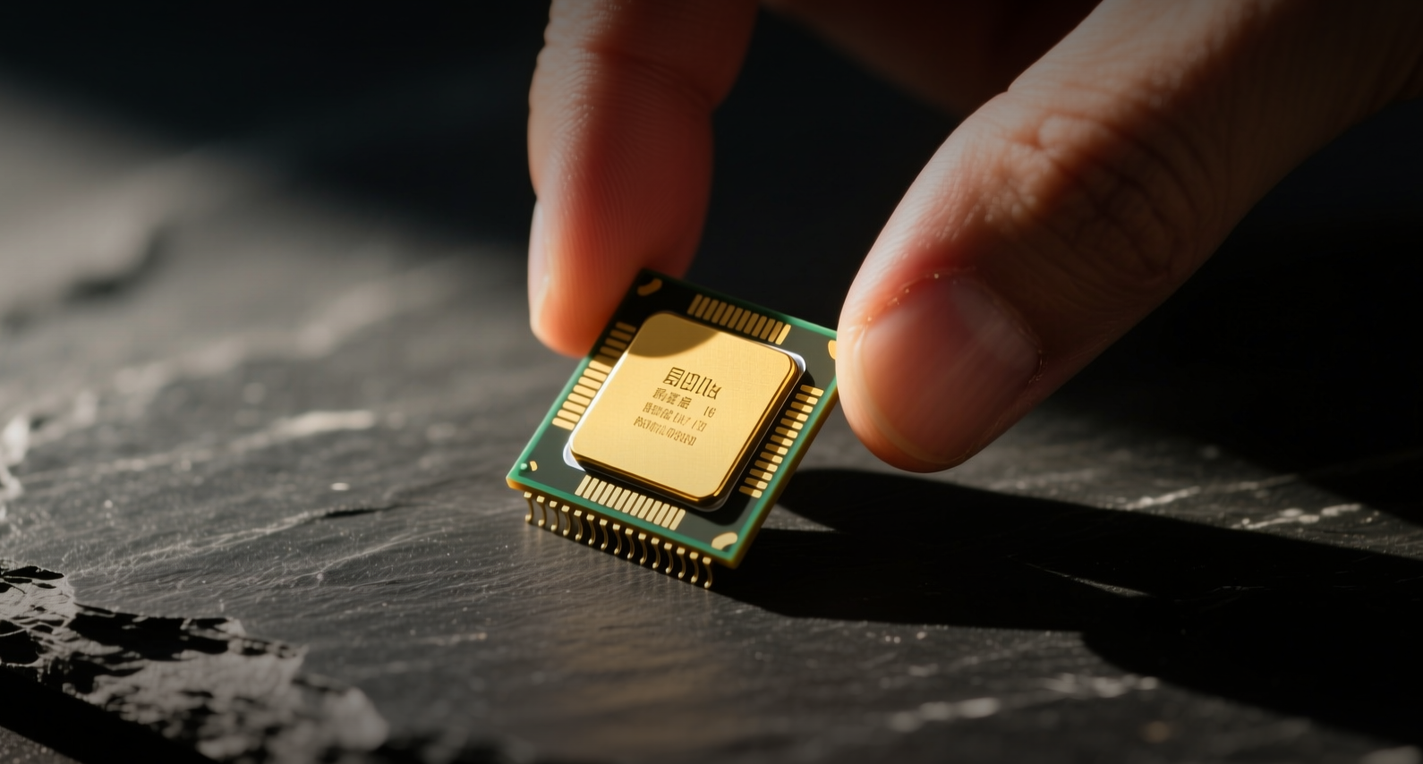
Semiconductor stocks fell sharply as the 30-year Treasury yield climbed to 5.33%, a 19-year high that compressed valuations across the AI chip complex.
Semiconductor stocks fell as the 30-year Treasury yield hit 5.33%, a 19-year high, triggering the sector's steepest three-day decline since March.
"The 10-year Treasury yield may hold in the 4 percent to 4.5 percent range, though risks remain tilted to the upside," the fixed income team at Charles Schwab said, pointing to persistent inflation and heavy government borrowing.
Nvidia shed up to $153 billion in market value during a single session, more than its projected fiscal 2026 profit of $120 billion. AMD fell more than 4 percent, dropping below the $500 level, while memory makers including SK Hynix, Samsung Electronics and Micron Technology lost hundreds of billions in combined value. The PHLX Semiconductor Index posted its steepest three-day decline since March, while the Energy Select Sector SPDR Fund approached record highs as Brent crude hovered near $85 a barrel.
The repricing reflects a shift in Federal Reserve expectations, with the CME FedWatch Tool showing a 70 percent probability of at least one rate hike by year-end, up from earlier bets on cuts. Higher discount rates reduce the present value of future earnings, hitting growth stocks with premium valuations hardest, and investors now weigh AI-driven growth against yield-bearing fixed income.
The surge in long-term yields reflects converging pressures. The 30-year Treasury yield at 5.33 percent marks its highest level since 2007, while the 10-year yield sits near 4.70 percent and the 2-year at 4.24 percent. Boston Fed research indicates tariffs have added about 0.5 percentage points to core PCE inflation, but structural factors — supply chain reconfiguration, tight labor markets and expansionary fiscal policy — suggest pressures extend beyond trade policy.
Higher yields create a dual headwind for growth stocks. They raise the discount rate applied to future cash flows, reducing the present value of earnings expected years out, and they increase the appeal of risk-free fixed income. With the 30-year offering 5.33 percent, the opportunity cost of holding volatile equities rises, driving institutional rotation out of technology and into bonds, energy and other value sectors.
Despite the selloff, the fundamental drivers of semiconductor demand remain strong. Nvidia, which holds an estimated 80 to 85 percent share of AI training chips, is projected to report quarterly revenue of $93 billion to $95 billion, up about 67 percent year over year, as cloud providers including Microsoft, Amazon, Google and Meta collectively spend more than $200 billion on AI infrastructure in 2026.
AMD has emerged as a credible challenger, with data center revenue up 107 percent year over year to $6.7 billion in the second quarter, now 58 percent of total revenue. Chief Executive Lisa Su has guided for server revenue growth exceeding 80 percent in the second half of 2026. Wells Fargo's Aaron Rakers projects AMD's server CPU revenue will reach $16 billion in 2026, up 68 percent.
TSMC, the contract manufacturer producing chips for Nvidia, AMD and Apple, reported sales growth of 45 percent and plans capital spending above $40 billion in 2026. Susquehanna raised its price target on the stock to $600 from $575, citing its position in the AI supply chain.
The broader question is whether valuations reflect these growth trajectories. AI-linked stocks now account for roughly 45 percent of S&P 500 market capitalization, and the seven largest U.S. technology companies represent more than a third of the index, according to a Wall Street Journal analysis. The S&P 500's Shiller CAPE ratio stands at levels not seen since before the dot-com bubble burst in 2000. An MIT study found that 95 percent of generative-AI pilot projects fail to deliver a measurable return on investment, a caution for the pace of enterprise adoption.
For investors, the selloff may create entry points in high-quality names with strong competitive positions and balance sheets. Dollar-cost averaging can reduce timing risk, while position sizing and diversification across sectors and geographies remain essential given the elevated volatility. The next test is Nvidia's earnings report, where guidance will show whether AI demand can justify current valuations in a higher-rate environment.
This article is for informational purposes only and does not constitute investment advice.
