

Constellation Energy's 40% pullback from its 2025 peak has reset its valuation to 21x earnings, making it a diversified bet on AI-driven electricity demand.
Constellation Energy's 40% pullback from its 2025 peak has reset its valuation to 21x earnings, making it a diversified bet on AI-driven electricity demand.
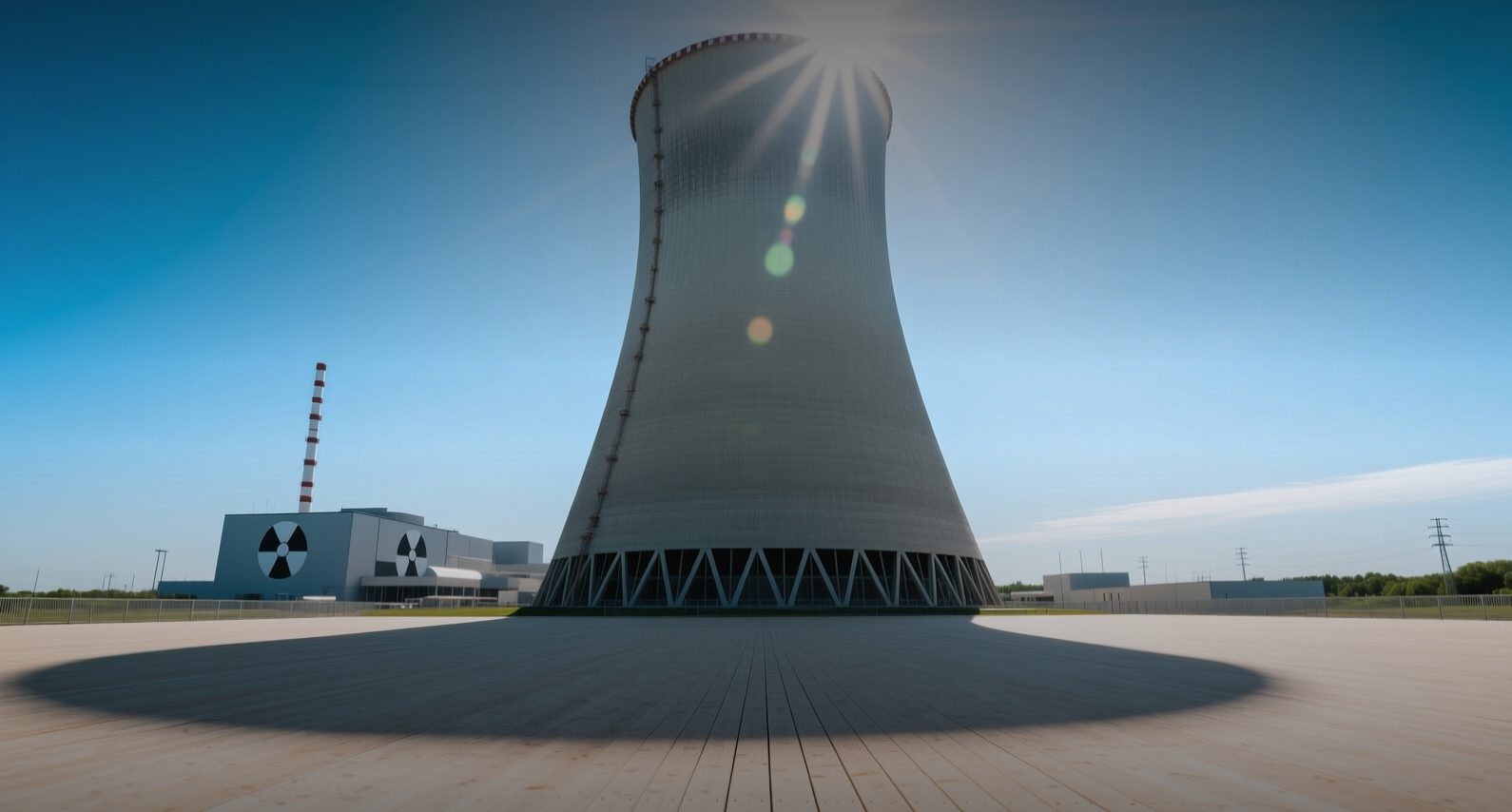
Constellation Energy Corp., the largest US nuclear power producer, now trades at 21 times earnings after a 40% decline from its 2025 high, as investors reassess the company's role in solving AI's growing electricity needs.
"Constellation is helping to solve the AI power crunch and doing a whole lot more," said Reuben Gregg Brewer, an analyst covering the stock. The company's recent deals with Meta Platforms Inc. and Walmart Inc. show demand extends beyond technology giants.
The stock's price-to-earnings ratio has fallen from nearly 50x at the end of 2025 to about 21x, roughly in line with the average utility at 20x. Constellation's purchase of Calpine expanded its natural gas footprint, while its nuclear fleet provides around-the-clock carbon-free power — a key advantage as data center operators seek reliable baseload supply.
Global electricity demand rose 10% between 2005 and 2025 and is projected to climb 60% by 2045, according to industry estimates. Constellation, which sells power at market rates rather than regulated tariffs, can capture rising prices through long-term contracts — a structural advantage over traditional utilities.
Beyond Nuclear: A Diversified Power Portfolio
Constellation's business extends well beyond its 93 nuclear reactor units. The Calpine acquisition added natural gas generation capacity, giving the company a multi-fuel portfolio that can serve both baseload and peaking power needs. This diversification matters as AI data centers require not just clean energy but reliable, dispatchable power around the clock.
The company's independent power producer model — selling electricity at unregulated market rates — allows it to negotiate directly with large customers. The 20-year agreement with Meta, announced in early 2025, locks in pricing for a portion of its nuclear output, while the Walmart deal demonstrates that demand for clean baseload power extends beyond the technology sector.
The AI Power Demand Inflection
Between 2005 and 2025, global electricity demand grew just 10%. Over the next two decades, that growth is expected to accelerate sixfold to 60%, driven by data centers, electric vehicles and industrial electrification. Goldman Sachs projects AI alone will drive a 165% increase in data center power demand by 2030.
Nuclear power's advantage in this environment is its reliability. Unlike solar and wind, which generate intermittently, nuclear plants produce electricity 24 hours a day, making them an ideal match for data centers that never shut down. Constellation's fleet of 93 reactors across the US positions it to capture a disproportionate share of this demand growth.
For investors, Constellation's valuation reset presents a clearer entry point than the 50x multiple it commanded at its peak. At 21x earnings, the stock trades in line with the broader utility sector but offers superior growth optionality through its unregulated pricing model and direct exposure to AI infrastructure buildout. The company's diversified fuel mix — nuclear, natural gas and renewables — reduces regulatory and operational risk relative to pure-play nuclear developers like NuScale Power, which remains pre-revenue and unprofitable. Brookfield Renewable Partners, by contrast, offers a 4.6% distribution yield through its 50% stake in nuclear services provider Westinghouse, appealing to income-focused investors.
This article is for informational purposes only and does not constitute investment advice.
