

Google will stop making Pixel phones, watches and earbuds in China from 2027, shifting output to Vietnam and India.
Google will stop making Pixel phones, watches and earbuds in China from 2027, shifting output to Vietnam and India.
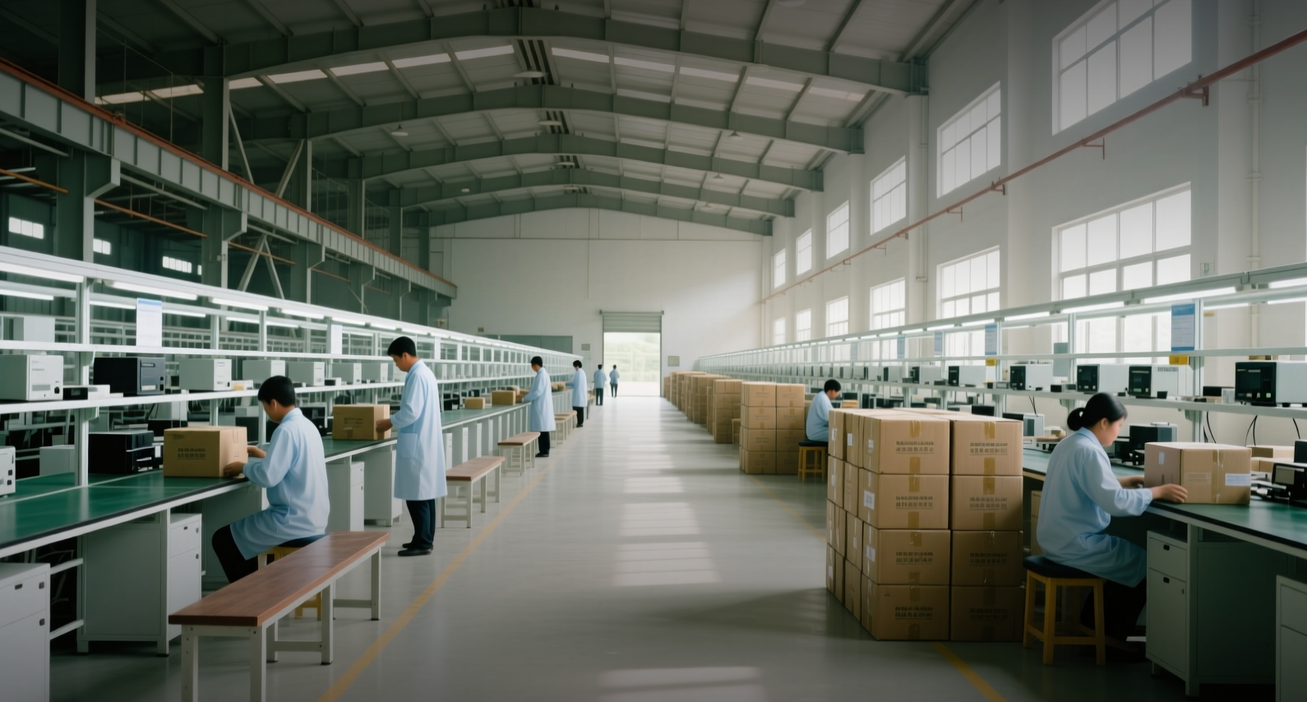
Google will end all Pixel device manufacturing in China from 2027, relocating production of its phones, watches and earbuds to Vietnam and India as it accelerates a supply-chain shift that began with high-end Pixel 11 assembly in Vietnam.
The plan, reported by Nikkei Asia, follows Google's successful production of premium Pixel smartphones in Vietnam during 2026, which gave management confidence its manufacturing network can support the transition within the proposed timeframe, the report said, citing a person familiar with the matter.
Google has told suppliers it intends to increase Pixel phone shipments by 8 percent to 10 percent this year after shipping about 12 million units a year ago, the report said. The company is also combining memory-chip orders for its smartphones with purchases for its AI and cloud operations, a move designed to strengthen its negotiating position with major suppliers including Micron Technology, Samsung Electronics and SK Hynix as a chip shortage tightens supply.
If completed, the relocation would make Google the second major international smartphone brand after Samsung to shift production out of China, a process Samsung finished in 2019 with most manufacturing moving to Vietnam and India. Alphabet shares rose 0.94 percent to $348.06.
Google's decision is smoother than a comparable Apple move because Pixel devices are not sold directly in the Chinese market and the brand holds a relatively small base of smartphone users there, according to the report. That removes the political and commercial friction that would complicate a similar shift for a company with deep China retail exposure.
The January report from Nikkei Asia said Google planned to develop and manufacture Pixel 11 devices in Vietnam exclusively, requiring investment in testing equipment and tooling machines. The success of that process prompted Google to expand production of other Pixel devices in Vietnam, the latest report said.
Apple, by contrast, has kept the bulk of its iPhone assembly in China through partners such as Foxconn, though it has gradually added capacity in India. Google's smaller hardware base makes the transition less disruptive, but it also means the company has less scale to absorb the fixed costs of running parallel manufacturing operations in two new countries.
The production boost comes as Google pushes consumer adoption of its Gemini artificial intelligence tools, which rely on the same memory chips that power its data centers. The ongoing shortage of memory chips, driven by the AI buildout of data centers and cloud services, is affecting companies across the tech sector.
By consolidating demand across its hardware and cloud businesses, Google can secure more favorable terms as competition for memory components intensifies. The strategy gives the company greater scale in procurement negotiations with Micron, Samsung and SK Hynix, the three dominant memory suppliers.
The shift also fits a broader pattern of US technology companies reducing their manufacturing exposure to China as tensions between Washington and Beijing reshape global supply chains. Google's move follows similar diversification efforts across the semiconductor and consumer electronics industries, where companies are building parallel production footprints in Southeast Asia and India to hedge against trade restrictions.
For investors, the relocation carries cost implications. Moving production to Vietnam and India typically lowers labor costs but adds logistics and tooling expenses, and the memory-chip consolidation could ease margin pressure from rising component prices. Alphabet shares, up 0.94 percent to $348.06, are betting the supply-chain overhaul supports higher Pixel volume without eroding profitability. The question is whether the 8 percent to 10 percent shipment growth target can absorb the transition costs as the company competes with Apple and Samsung in the premium smartphone segment.
This article is for informational purposes only and does not constitute investment advice.
