
Key Takeaways:
- Q2 EBITDA rose to $829M from $820M a year earlier
- Middle East disruption added roughly $600M in Q2 costs
- Full-year 2026 EBITDA guidance raised to $2.7-3.7B
Key Takeaways:
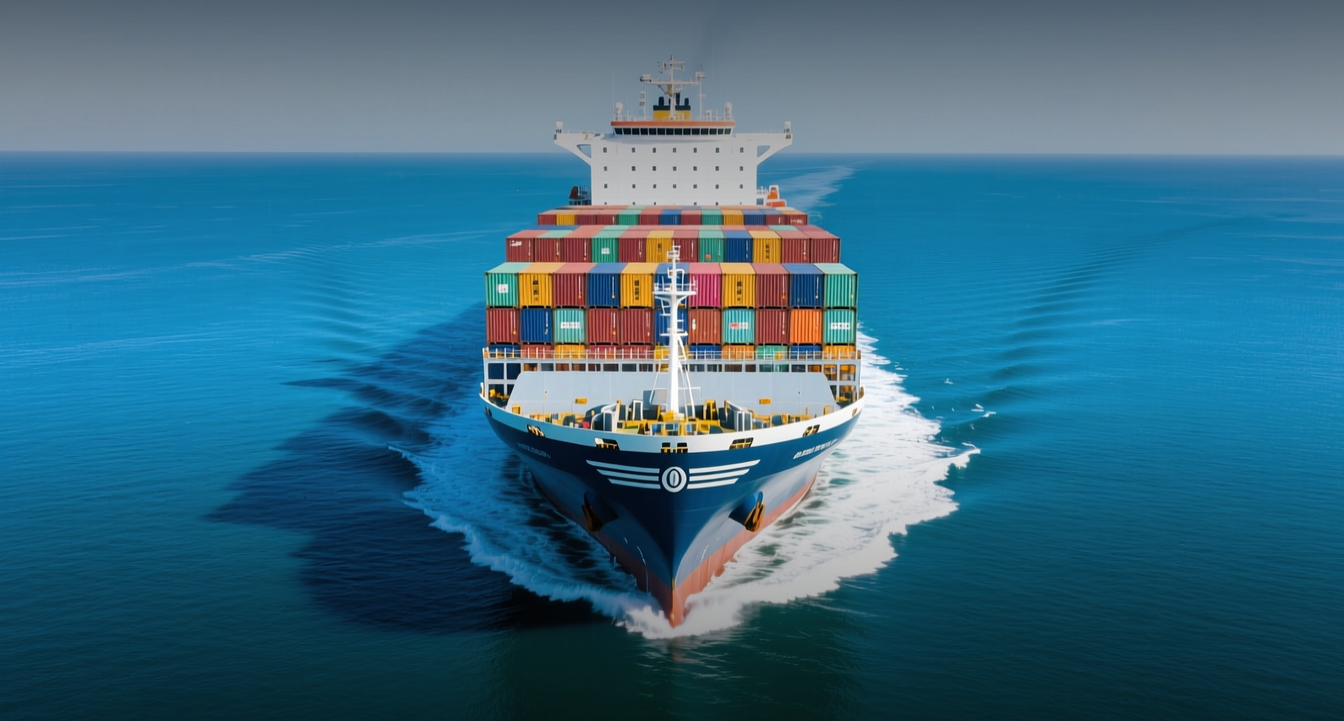
Hapag-Lloyd (HLAG, XETR) reported Q2 EBITDA of $829 million, up from $820 million a year earlier, as stronger freight rates and higher volumes offset Middle East disruption costs. Strong exports from Asia and improved demand in the United States supported the recovery.
"Our Gemini network remained resilient and continued to outperform the market, setting the industry benchmark for schedule reliability," Rolf Habben Jansen, CEO of Hapag-Lloyd AG, said.
Revenue rose to $5.84 billion from $5.27 billion in the same quarter last year. Average freight rates climbed 9 percent year on year to $1,475 per TEU, while transport volumes increased to 3.48 million TEU from 3.36 million TEU. Middle East disruption added roughly $600 million in costs from the Strait of Hormuz blockage, including bunker, insurance, storage, rerouting and inland transportation expenses.
Group EBIT fell to $176 million from $189 million, while net profit declined to $83 million from $306 million. The Liner Shipping segment generated revenue of $5.68 billion, up from $5.17 billion, though segment EBITDA slipped to $773 million from $777 million.
The Terminal & Infrastructure segment posted revenue of $191 million, up from $135 million, supported by the first full consolidation of J M Baxi's container business and volume growth in Latin America. Segment EBITDA rose to $55 million from $44 million.
Despite the Q2 recovery, Hapag-Lloyd recorded a first-half loss of $173 million, compared with a profit of $775 million a year earlier. H1 EBITDA fell to $1.32 billion from $1.92 billion, and EBIT dropped to $18 million from $677 million.
The company raised its full-year 2026 outlook on July 13, now expecting Group EBITDA between $2.7 billion and $3.7 billion and EBIT between $100 million and $1.1 billion. The guidance remains subject to volatile freight rates and the ongoing Middle East conflict.
Peer Maersk reported Q2 EBITDA of $3.0 billion, beating analyst forecasts of $2.12 billion, and raised its full-year guidance for a second time. Both carriers have announced a gradual resumption of some services through the Suez Canal as part of the Gemini network.
The guidance raise points to management's expectation that freight market strength will persist into the second half. Investors will watch whether the gradual Suez Canal return and any normalization of Red Sea traffic put downward pressure on rates.
This article is for informational purposes only and does not constitute investment advice.
