
South Korea's benchmark extended its recovery from July's AI-led rout as in-line US inflation cooled bets on another Federal Reserve rate increase.
South Korea's benchmark extended its recovery from July's AI-led rout as in-line US inflation cooled bets on another Federal Reserve rate increase.
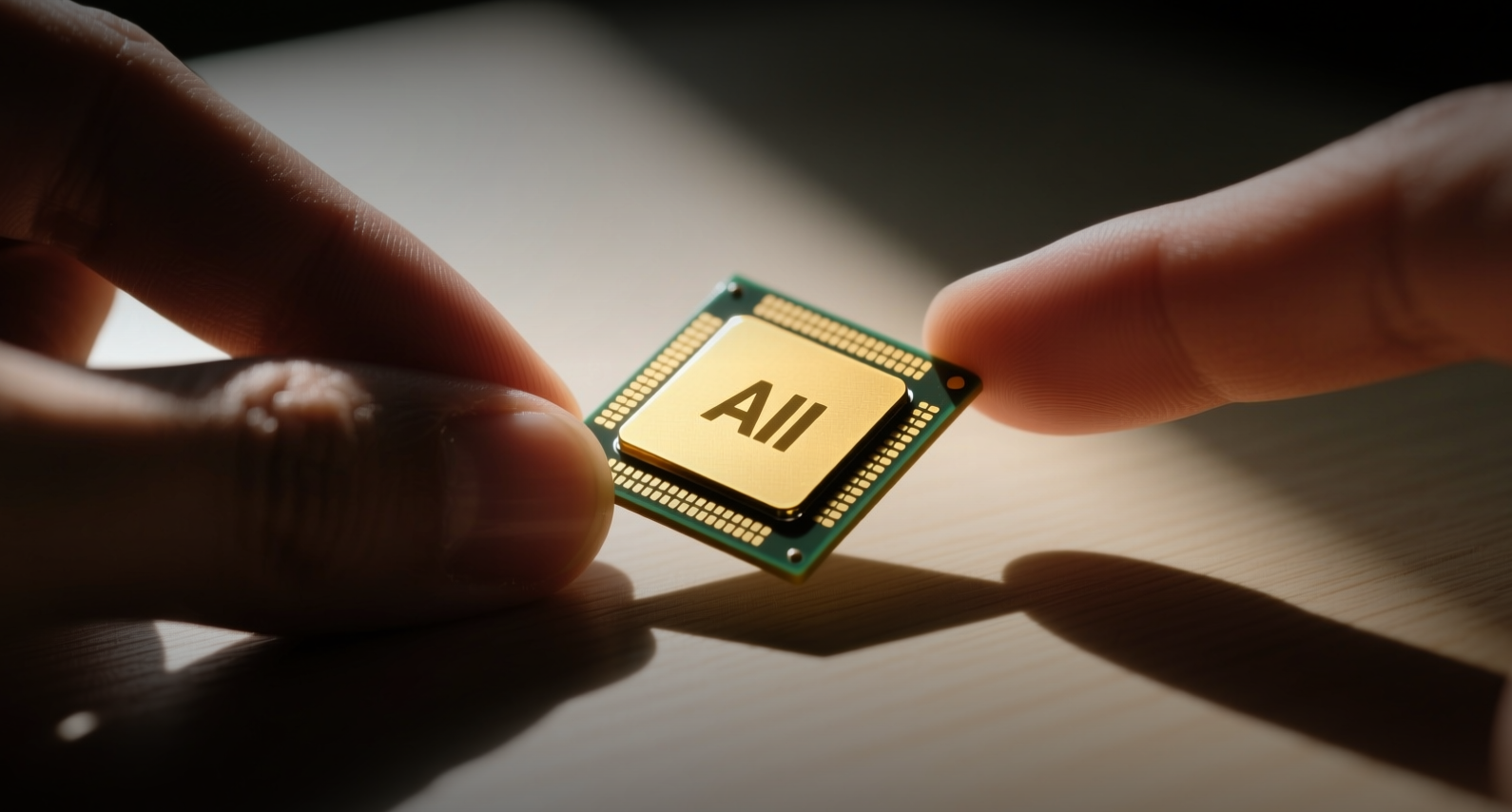
South Korea's benchmark extended its recovery from July's AI-led rout as in-line US inflation cooled bets on another Federal Reserve rate increase.
South Korea's KOSPI jumped 4.4% in morning trade on Thursday as investors returned to Samsung Electronics and SK Hynix, extending a rebound from July's AI-led selloff.
"There's nothing in today's CPI report that demands a September rate hike," Donald Rissmiller, chief economist at Baird Strategas, said.
The benchmark, which closed at 6,597.90 on Wednesday, climbed as Samsung Electronics rose 7.7% and SK Hynix added 7.1%. The rally followed a July consumer price index that rose 3.4% from a year earlier, matching consensus, with core inflation easing to 2.5%. Traders cut the odds of a September Fed hike to below 40% from roughly 50-50 before the release.
The rebound's durability hinges on the Fed's Sept. 16-17 decision and on AI valuations that drove July's rout. Regional peers were mixed, with Tokyo's Nikkei up 0.6% and Taiwan's Taiex adding 0.8%, while Hong Kong's Hang Seng fell 1.2%.
The surge marks a sharp reversal for South Korean technology, which bore the brunt of July's selloff as investors questioned stretched AI valuations. Samsung Electronics, the world's largest memory-chip maker, and SK Hynix, a key supplier to Nvidia, had both fallen sharply last month before this week's rebound. Samsung closed at 239,500 won on Tuesday, up 4.13%, while SK Hynix ended at 1,425,000 won.
The softer inflation print eased pressure on the Fed, which has held rates steady all year even as inflation ran above its 2 percent target for more than five years. A July jobs report showing 23,000 positions cut and unemployment at 4.1 percent has given policymakers room to pause, economists said. Real average hourly earnings fell 0.2 percent over the past year, erasing wage gains.
Oil remains a wildcard. Brent crude held near $89.66 a barrel as tensions over the Strait of Hormuz persisted, while the yen traded at 159.45 per dollar after last week's US-Japan intervention. Gasoline averaged $4.04 a gallon in the US, up nearly a dollar from a year earlier, and energy costs could add 0.1 to 0.2 percentage points to August inflation, according to Preston Caldwell, senior US economist at Morningstar.
The next test comes at the Fed's Jackson Hole symposium at the end of August, where officials may signal their September intentions. Bond futures still price a roughly 45 percent chance of a quarter-point hike before year-end, leaving Korean tech exposed to any hawkish surprise.
This article is for informational purposes only and does not constitute investment advice.
