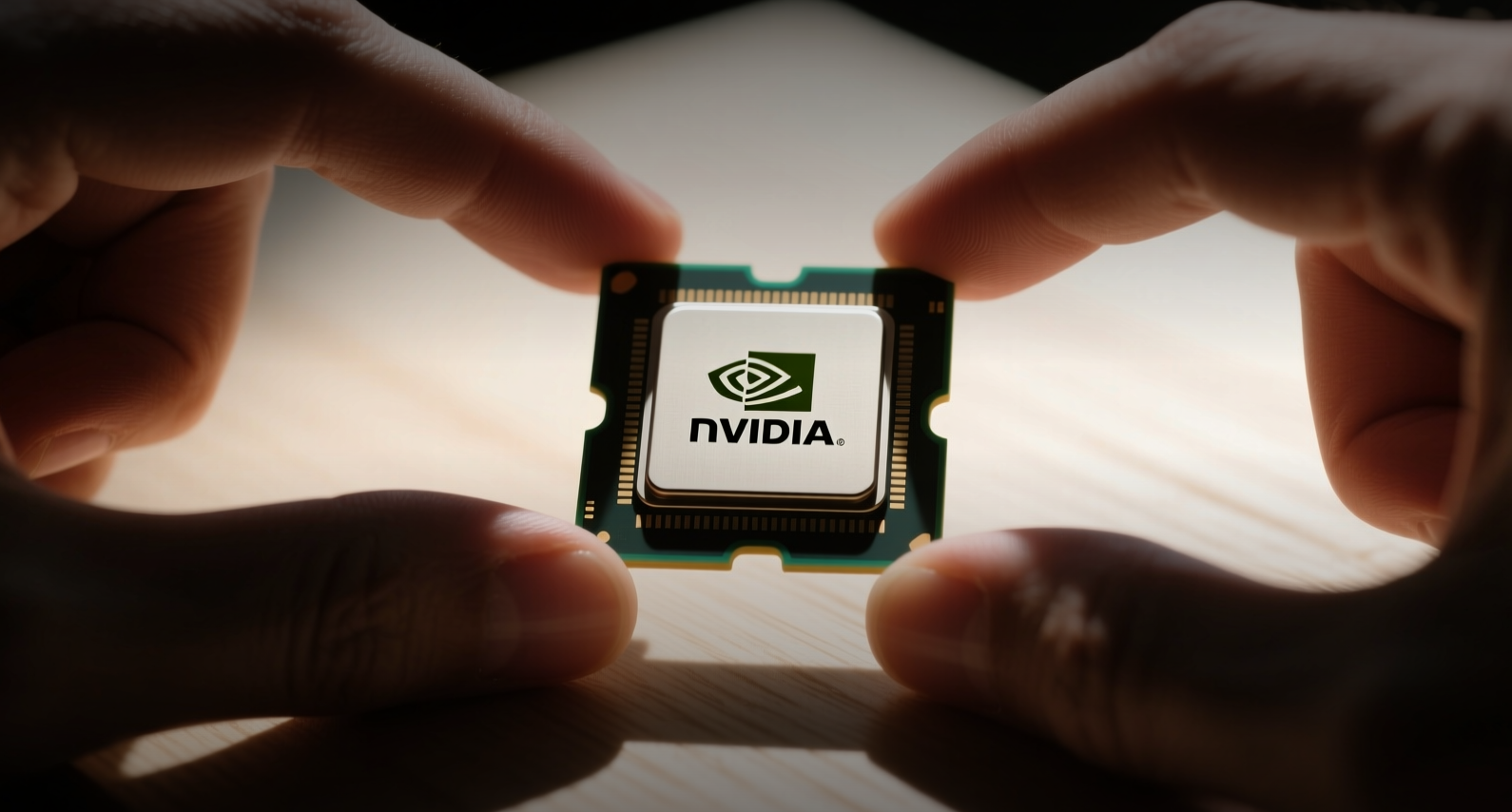
The debate over Nvidia's future centers on whether AI demand will last, but the chipmaker's supply constraint is the more powerful force in the equation, some investors argue.
Nvidia's inability to produce enough chips to meet surging AI demand gives it pricing power that demand-focused bear arguments overlook, investors said ahead of the Q3 earnings season.
"I keep buying Nvidia because the loudest voices in the room are arguing about the wrong side of the ledger," the author wrote in a July 24 commentary published on 247wallst.com.
The supply-demand imbalance is visible across the AI supply chain. Microsoft's Azure cloud revenue rose 40% year-over-year in its fiscal third quarter, with the company adding another gigawatt of data center capacity. Amazon Web Services secured more than $225 billion in Trainium chip commitments, including multi-year AI training deals with OpenAI and Anthropic. Alphabet's Google Cloud revenue surged 82% to $24.77 billion in the second quarter, driven by enterprise AI infrastructure demand.
The implications extend beyond Nvidia's next report. The Magnificent Seven group, which includes Nvidia, is expected to post earnings growth of about 31% in the second quarter, according to Visible Alpha estimates. Yet the Roundhill Magnificent Seven ETF has gained less than 2% year-to-date, trailing the S&P 500's 10% return — a gap that supply-constrained pricing power could help close if AI infrastructure spending continues to accelerate.
Supply, Not Demand, Is the Variable
The distinction matters for valuation. Each new data center announcement from a hyperscaler — Microsoft's gigawatt expansion, Amazon's Trainium commitments, Google Cloud's 82% revenue surge — adds to Nvidia's order backlog. The company has consistently indicated that supply constraints, not demand, cap its near-term revenue potential. David Miller, chief investment officer at Catalyst Funds, said paying 24 times forward earnings for a company growing high-margin revenue at roughly 20% is reasonable — a framing that applies directly to Nvidia's supply-driven pricing power.
The Earnings Season Test
Nvidia reports fiscal third-quarter results in late August. The company's guidance will offer the clearest signal yet on whether supply is catching up to demand. Microsoft reports July 29 and Amazon on July 30, with both expected to disclose further AI infrastructure spending plans. Wolfe Research analysts said in a July 22 note that capital expenditure levels and forward guidance will matter more than revenue and earnings for the hyperscaler group — a dynamic that reinforces the supply-side thesis for Nvidia.
For Nvidia holders, the supply constraint thesis implies that as long as hyperscaler capex continues rising, the company's pricing power and margins remain protected. The August earnings call will reveal whether Blackwell production timelines have accelerated — the single most important catalyst for the stock in the second half of 2026.
This article is for informational purposes only and does not constitute investment advice.