
Crude oil slipped in early Asian trade as traders adjusted positions ahead of Monday's U.S. sanctions announcement on Iran, even as Strait of Hormuz shipments remain at 8 million barrels a day — less than half pre-war levels.
Crude oil slipped in early Asian trade as traders adjusted positions ahead of Monday's U.S. sanctions announcement on Iran, even as Strait of Hormuz shipments remain at 8 million barrels a day — less than half pre-war levels.
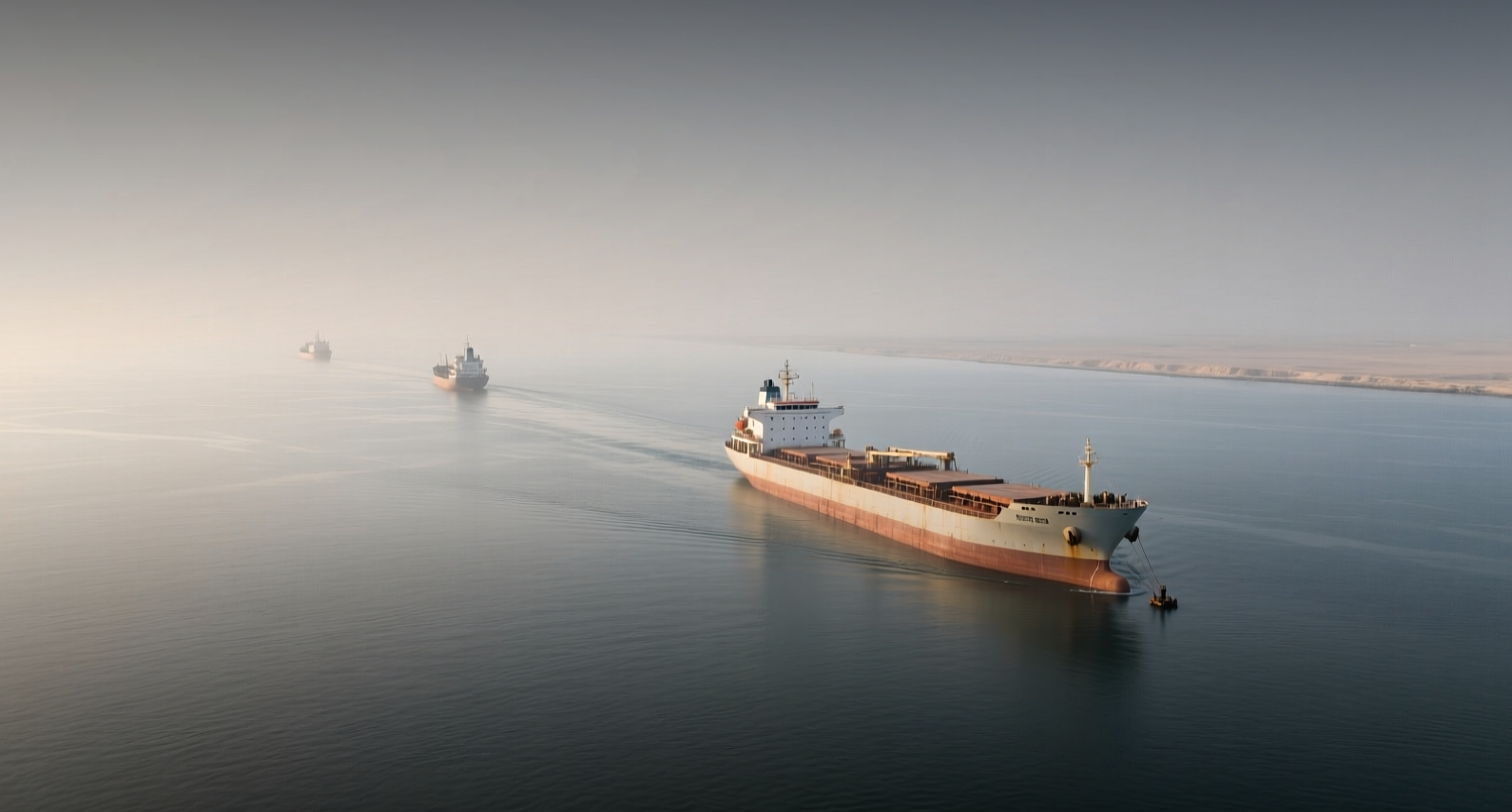
Crude oil slipped in early Asian trade as traders adjusted positions ahead of Monday's U.S. sanctions announcement on Iran, with Hormuz shipments at 8 million barrels a day versus 20 million pre-war.
"The fact that they have moved on from military operations to bring up the same old plans shows that they are desperate," Iranian Foreign Minister Abbas Araghchi said in a video posted on Telegram, dismissing the threatened measures as "repetitive scenarios."
U.S. Treasury Secretary Scott Bessent is due to hold a press conference at 2 p.m. EDT (1800 GMT) Monday, promising "the greatest coordinated economic isolation in the history of the world." President Donald Trump has called the move an "economic D-Day" for Iran and warned of consequences against any country providing "any type of lifeline" to Tehran. China, which buys more than 80 percent of Iran's shipped oil according to 2025 data from analytics firm Kpler, has urged diplomacy.
The sanctions escalation comes as the war nears six months with no peace talks in sight. Only four commodity ships transited the Strait of Hormuz on Thursday, none of them large crude carriers or LNG tankers, ship-tracking data showed. Iran's top security official, Mohsen Rezaei, warned Saturday that any country participating in the U.S. economic war against Iran would be considered an "enemy," threatening that Tehran "will not let even a single drop of oil be exported from the Strait of Hormuz" if surrounding countries join the U.S. siege.
U.S. Energy Secretary Chris Wright said the U.S. military helped move a seven-day average of 8 million barrels a day of oil through the strait, down from more than 20 million per day before the war — roughly one of every five barrels consumed worldwide. The effective blockade has pushed up global oil prices even as traders now position for the sanctions announcement.
Iran's Foreign Ministry spokesperson Esmaeil Baghaei called the imminent sanctions an "assertion of extraterritorial sovereignty over every independent member state of the United Nations," adding that "such secondary sanctions find no foundation in international law."
Pakistan's army chief, Asim Munir, will visit Tehran on Monday as part of efforts to restore regional peace and security, Iran's foreign ministry said. A Pakistani government source said Munir would touch on recent developments including the U.S. threat of new sanctions.
Iranian President Masoud Pezeshkian has called for a diplomatic solution. "It would be better to end the war today, when we are powerful and have dignity, and the whole world acknowledges our victory," he said, according to the ISNA news agency.
Trump said Friday that Washington was observing "what happens" in the conflict. "They would love to make a deal, but they're not ready to make the right deal, in my opinion," he said of Iran.
The stakes are high for global energy markets. Iran's parliament speaker, Mohammad Baqer Qalibaf, acknowledged the strain on Iran's economy, saying "no matter how much military power we have, we won't survive if people are hungry and we don't have financial turnover, economic growth and national production."
U.S. attacks have severely diminished Iran's economy and devastated its navy and air force, but Tehran maintains enough missile and drone capability to impede oil tanker traffic and attack regional rivals. Thousands have been killed, including 168 Iranian school children on the first day of the war. The U.S. has reported more than 750 military personnel wounded and 18 killed.
Trump has yet to achieve objectives he set at the start of the war, such as dismantling Iran's nuclear programme — the state of which remains uncertain given that U.N. inspectors have been shut out since 2025 — and creating conditions for Iranians to overthrow their clerical rulers.
If the U.S. follows through with the sanctions, oil supply concerns could push crude prices higher in the near term, particularly if Tehran escalates its threats against shipping in the Strait of Hormuz. If China resists U.S. pressure to cut Iranian oil purchases, the sanctions' effectiveness could be limited.
This article is for informational purposes only and does not constitute investment advice.
