
Key Takeaways: Six months into the Iran war, the world's most powerful oil alliance can no longer move the market it once shaped.
Key Takeaways: Six months into the Iran war, the world's most powerful oil alliance can no longer move the market it once shaped.
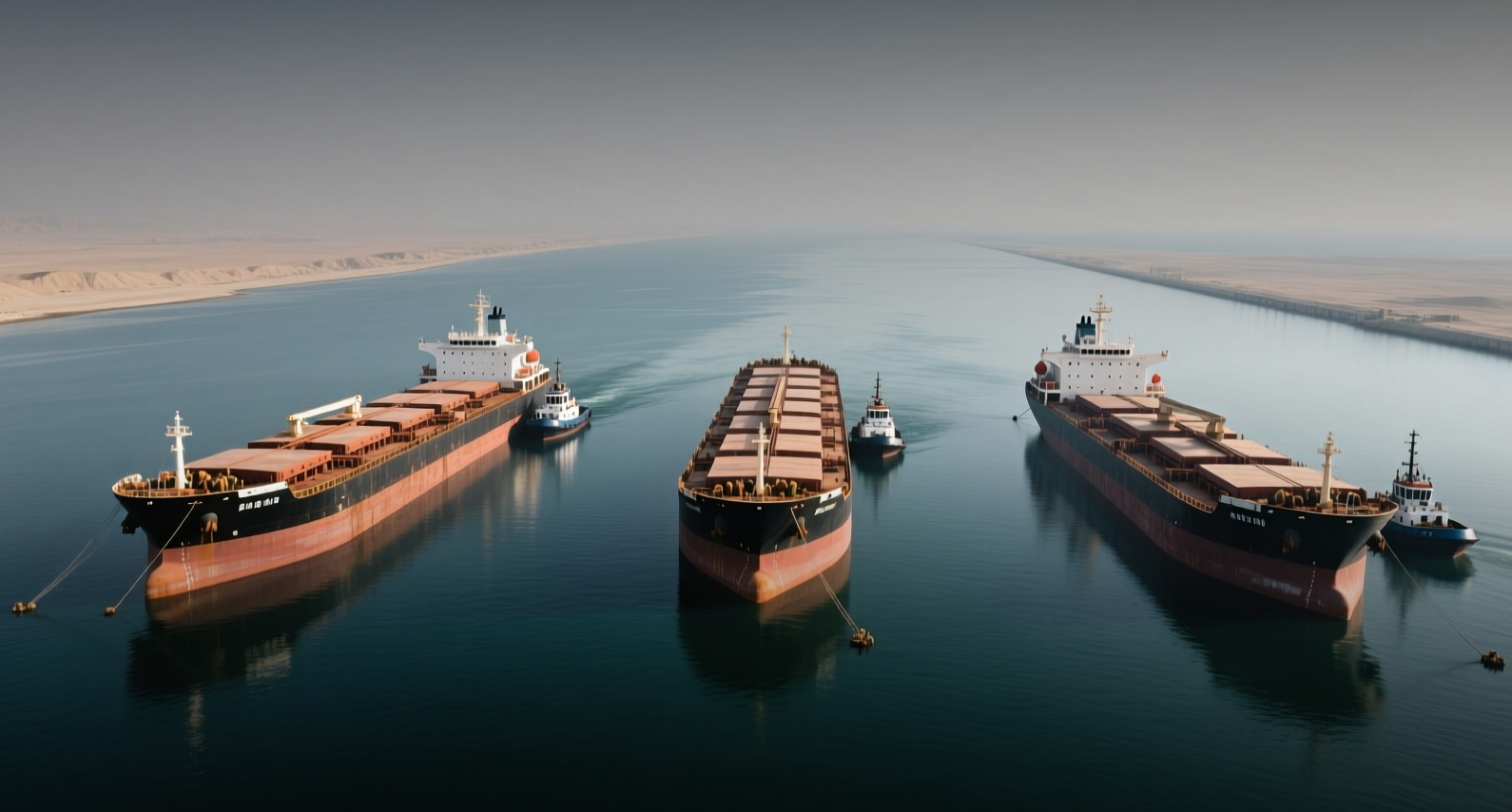
Six months into the Iran war, OPEC+ has lost its grip on oil, its output share sliding to 40% from 48% as China's import pullback becomes the dominant price force.
"They've become the swing demand centre," said June Goh, an analyst at Sparta Commodities.
The war has effectively shut the Strait of Hormuz, a vital export route for Saudi Arabia, Iraq and Kuwait, stripping OPEC+ of its ability to quickly raise or cut supply. Since March the group has announced six output increases, most remaining theoretical because of the blockade. Roughly four to five percentage points of the decline stem from the UAE's withdrawal from OPEC in May, leaving the core group of seven producers, including Saudi Arabia and Russia, with just a quarter of world output.
The shift marks a structural change in how oil prices are set. China has bought roughly 400 million fewer barrels since the war began than in the same period last year, a drop tied to a ban on fuel exports, lower refining output and the growing adoption of electric transport. Weaker Chinese demand has helped cap prices this year, in sharp contrast to last year's buying spree that may have driven as much as half of global oil demand growth.
The contrast with 2019 is stark. Then, OPEC+ and then-President Donald Trump regularly clashed over oil prices, and traders watched the group's decisions closely for market impact. The central question was how much oil OPEC+ chose to pump; now it is how much can physically be produced and exported at all.
Wartime supply disruptions are nothing new for OPEC, from Kuwait during the 1990-91 Gulf War to Iraq after the 2003 US-led invasion. What sets the current crisis apart is its scale, constraining multiple producers at once and limiting the group's ability to offset losses elsewhere. A brief US-Iran ceasefire in July briefly raised hopes the strait might reopen, offering a temporary reprieve before prices resumed their drift.
OPEC was founded in 1960, and the wider OPEC+ framework emerged in 2016 when Russia and other producers joined to help counter the group's shrinking share of world output. OPEC's share of global crude production peaked at around 50% during the oil crises of the 1970s before sliding to 30% by the mid-1980s as output rose from the North Sea, Alaska and Siberia.
The decline in Chinese imports has helped place a ceiling on prices this year, highlighting the country's expanding role in balancing oil markets, a function once associated almost exclusively with OPEC+ as the world's swing producer. Last year's buying spree may have accounted for as much as half of global oil demand growth and helped underpin the market; its weaker demand now is balancing supply during what analysts describe as the worst-ever disruption to global crude flows.
OPEC+ says its decisions are aimed at supporting market stability and that it does not target a specific price. OPEC did not respond to a request for comment.
The implications extend beyond crude. With OPEC+ unable to act as a shock absorber, price swings are likely to become sharper, feeding through to energy stocks, oil futures and broader equity markets. The transfer of leverage from Riyadh to Beijing represents a lasting change in the energy order, one that will shape how traders position for the next supply shock.
This article is for informational purposes only and does not constitute investment advice.
