


Key Takeaways:
- Intel priced for 13.5% swing on foundry turnaround doubts
- Alphabet's 9.2% implied move tests AI spending ROI
- Tesla's 6.8% swing masks robotaxi and margin pressure
Key Takeaways:
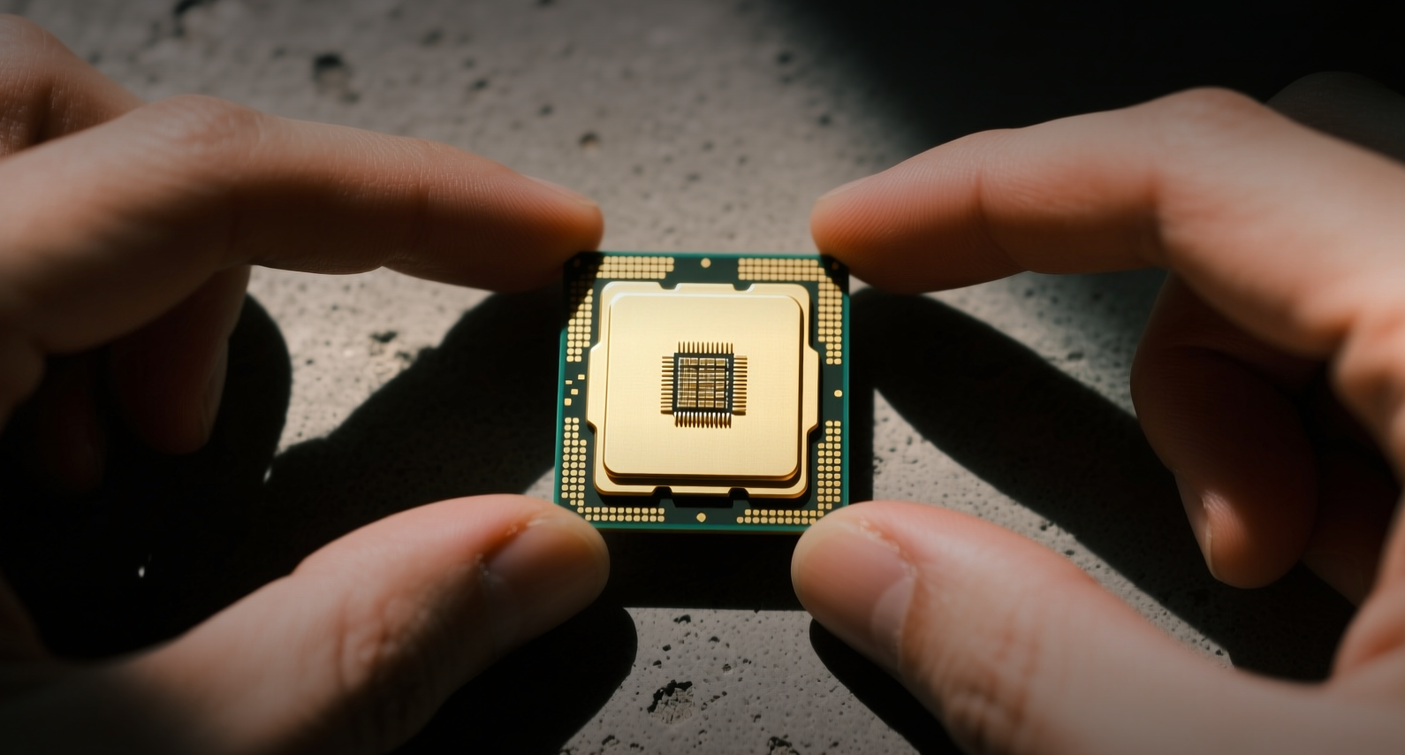
Options traders are pricing a 13.5% post-earnings swing for Intel, the widest among three major tech reports this week that will test whether AI investment is translating into revenue growth.
"Intel carries the highest volatility because the market is pricing deep uncertainty around its turnaround strategy," Christopher Rolland, analyst at Susquehanna, said. Rolland raised his Intel price target to $115 from $80 while retaining a Hold rating, citing server-processor demand supporting results even as memory shortages weaken PC production.
Alphabet is priced for a 9.2% move after its Wednesday report, nearly triple its four-quarter average of 3.2%. Tesla's implied swing of 6.8% is the smallest of the three but still double its recent average. Intel reports Thursday with an implied move above its 12.4% average over the past four quarters. Intel guided for second-quarter revenue of $13.8 billion to $14.8 billion and adjusted earnings of 20 cents a share.
The three reports will test whether AI spending is generating adequate returns. Alphabet's results could send "ripple effects across the entire AI ecosystem," Kevin Mahn of Hennion & Walsh Asset Management told Reuters, as chipmakers and data-center suppliers depend on hyperscaler budgets remaining strong.
Intel's turnaround credibility is on the line
The bullish case for Intel centers on server-processor demand as companies add computing capacity for AI. A beat that proves server demand can offset PC weakness would be enough to re-rate the stock, according to options market positioning. But investors also want evidence that Intel can attract foundry customers, meet process targets and reduce the burden of factory expansion. Intel's Arizona Fab 52 is now producing 18A chips at scale, supported by $8.9 billion in CHIPS Act funding, though analysts caution that seasonal softness in the PC market could weigh on second-half results.
Alphabet's AI spending faces a scrutiny test
Truist Securities analyst Youssef Squali remains constructive on Alphabet, saying search spend remains strong fueled by query volume and cost-per-click. Investors will examine whether AI Overviews and Gemini are increasing engagement without weakening Google's search-advertising economics. Cloud growth, margins and any revision to capital-spending plans will also matter. Alphabet is expected to report adjusted EPS of $2.88 on revenue of $117 billion, representing 21.3% year-over-year growth.
Tesla's margin story takes center stage
Tesla delivered 480,126 vehicles during the second quarter, and the report will show whether higher volumes strengthened profits or whether financing promotions and component costs absorbed the benefit. Bank of America analyst Alexander Perry said attention would remain on robotaxi deployments, particularly the pace of fleet scaling and new markets. Deutsche Bank analyst Edison Yu expects earnings of 36 cents a share, below estimates, because promotional rates and higher input costs could pressure margins.
Wall Street's consensus reflects a clear hierarchy of conviction. Alphabet carries a Strong Buy rating with an average price target of $437.79, implying 22.7% upside. Intel holds a Hold rating with 10 buys, 24 holds and 2 sells, and an average target of $113.72. Tesla also has a Hold consensus split between 10 buys, 16 holds and 3 sells, with a target of $405.42.
The guidance from these three reports will set the tone for the broader technology sector heading into the second half. Intel's foundry narrative, Alphabet's AI monetization and Tesla's margin trajectory each represent a different test of whether the AI-driven bull case can sustain current valuations. Investors will watch the post-earnings trading sessions on Wednesday and Thursday for directional signals.
This article is for informational purposes only and does not constitute investment advice.
