
Key Takeaways:
- Solstice acquires Element Solutions in a $14.5 billion cash-and-stock deal
- Combined company targets $6.8 billion in net sales and $1.7 billion in EBITDA
- Deal expected to close in the first half of 2027 pending approvals
Key Takeaways:
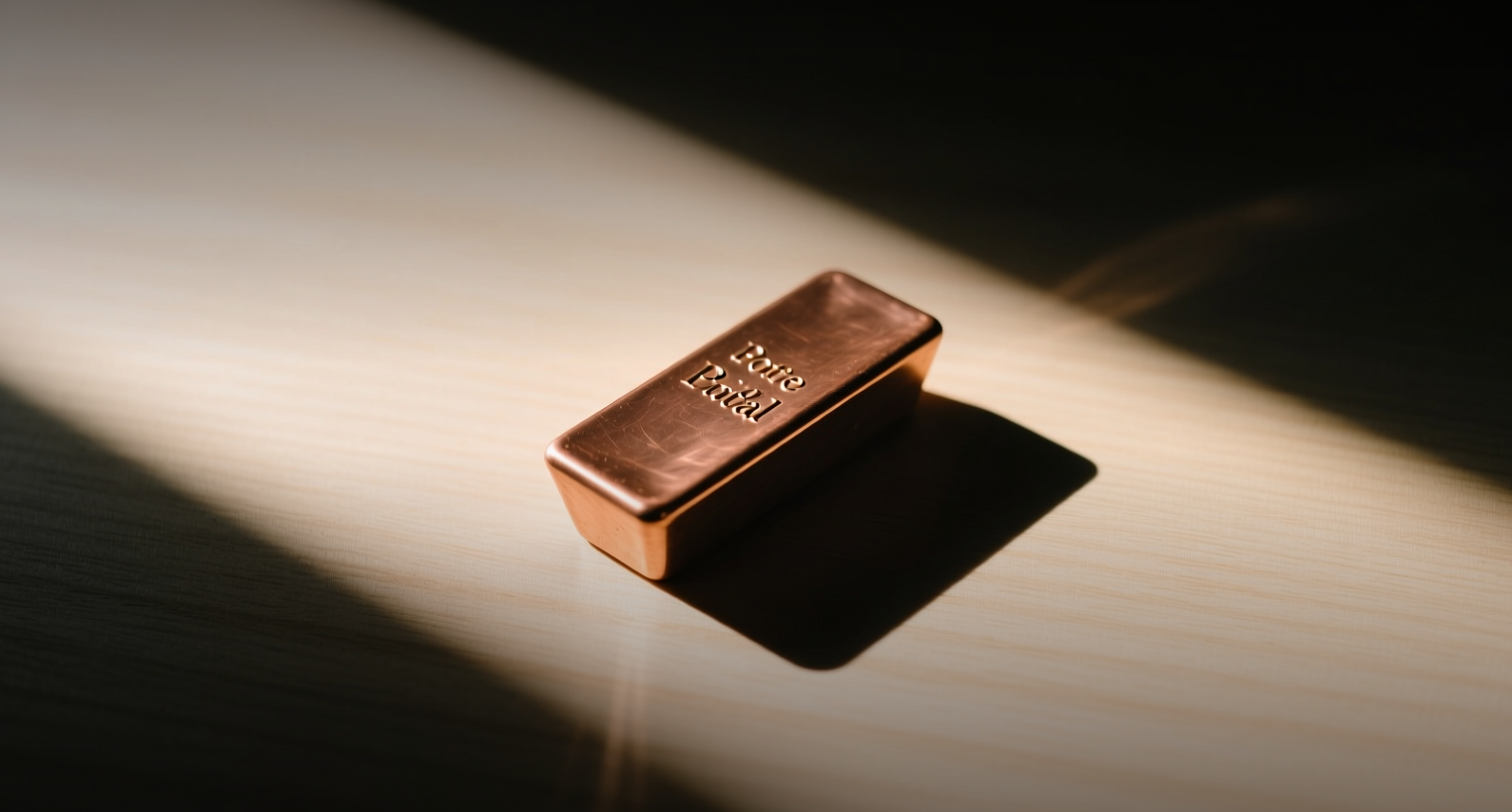
Solstice Advanced Materials agreed to buy Element Solutions for about $14.5 billion in a cash-and-stock deal, betting that surging demand from AI data centers and advanced computing will fuel growth in specialty materials.
"The combination creates a global advanced materials leader positioned to benefit from generational tailwinds in high-growth end markets," said David Sewell, president and chief executive officer of Solstice, on a conference call Monday.
Element shareholders will receive $10 in cash and 0.5 Solstice shares for each share held, a 15 percent premium to Element's closing price on July 2. The combined company is projected to generate roughly $6.8 billion in 2025 net sales and $1.7 billion in adjusted EBITDA, with a margin of about 26 percent including expected synergies. Solstice identified more than $180 million in annualized run-rate cost savings within three years, including roughly $100 million from operational integration and $25 million from supply chain improvements.
The deal signals a broader consolidation push in specialty chemicals as companies race to supply materials for AI infrastructure, from semiconductor fabrication to data center cooling. Solstice expects the transaction to be accretive to adjusted earnings per share in the first year and targets net leverage below three times within 18 months after closing.
Element Solutions generates just over 70 percent of its revenue from electronics, with more than 20 percent of total sales coming from the data center market, Chief Executive Officer Ben Gliklich said on the call. The company's consumable products and high switching costs insulate it from capital cycle volatility, he added. Element serves more than 17,600 customers globally.
Upon closing, Element shareholders will own approximately 44 percent of the combined company, which will operate under the Solstice name. Sewell will remain chief executive, while Gliklich and two other Element board designees will join an expanded 11-member board.
Solstice framed the acquisition as an acceleration of its strategy following its separation as an independent company in October 2025. The combined entity holds more than 8,300 patents and patent applications across advanced materials, including semiconductor fabrication, packaging, assembly and thermal management.
The deal also strengthens Solstice's exposure to data center infrastructure beyond electronics. The company's existing refrigerants and uranium conversion services address cooling and power needs tied to the AI build-out, Sewell said. He described Solstice as a "complete solutions provider" across attractive growth markets and said the company does not intend to become a pure-play electronics firm.
Solstice shares fell nearly 15 percent on Monday following the announcement, according to MarketBeat data, though the stock remains up about 26 percent year to date. The pullback creates a gap between the current price near $62 and the average analyst target of about $91.57, according to Simply Wall St.
The transaction has fully committed financing in place and requires shareholder and regulatory approvals. Solstice said it does not anticipate regulatory issues, describing the combination as "highly complementary."
This article is for informational purposes only and does not constitute investment advice.
