
US home prices accelerated in June, but real values kept falling as inflation outpaced nominal gains for a 13th consecutive month.
US home prices accelerated in June, but real values kept falling as inflation outpaced nominal gains for a 13th consecutive month.
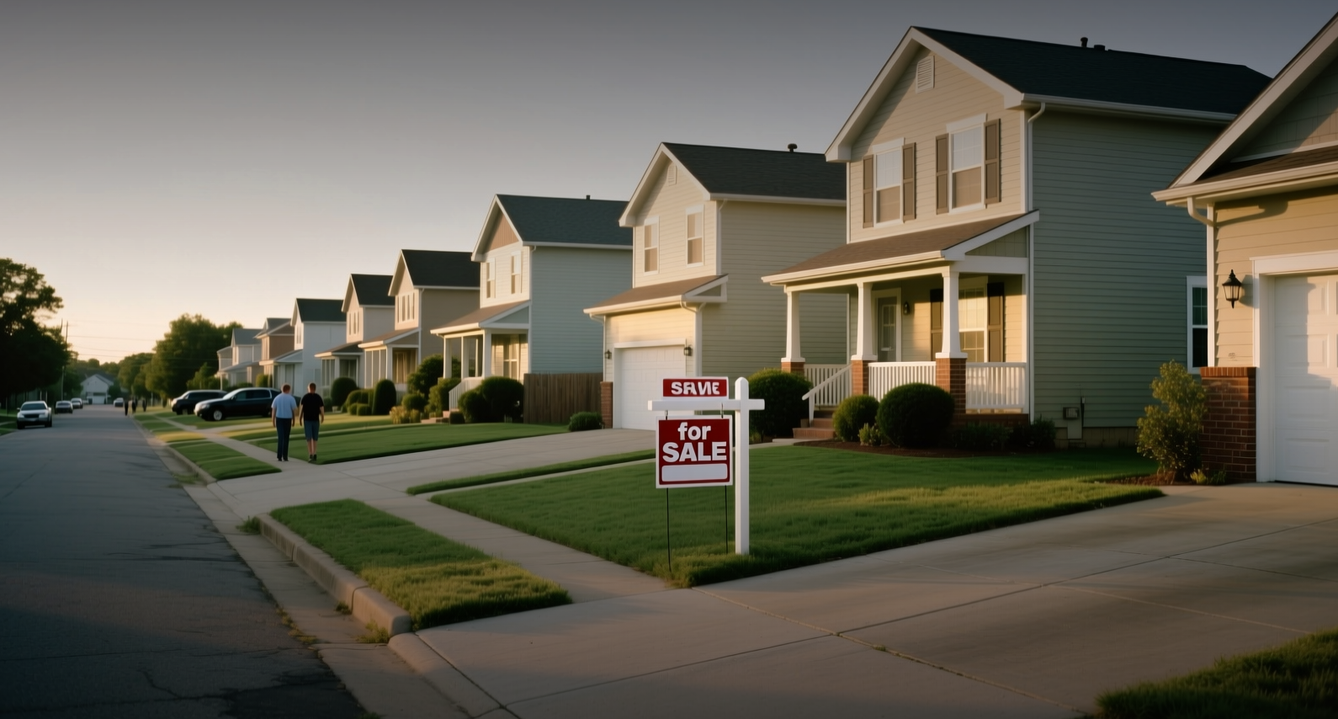
US home prices rose 1.5% year-over-year in June, accelerating from May's 1.2% gain, but 3.5% inflation kept real values falling for a 13th consecutive month.
"While home prices continue to decline in real terms, lower inflation and firmer nominal home price growth in June helped slow that pace of erosion," said Rebecca Kaufman, associate director of commodities at S&P Dow Jones Indices.
The 20-City Composite rose 2.1% year-over-year, up from 1.6% in May, while the 10-City Composite gained 2.9%, up from 2.4%. On a seasonally adjusted basis, the National index rose 0.1% month-over-month after three consecutive monthly declines, and the 20-City Composite gained 0.2%, beating the 0.1% consensus. Chicago led all metros with a 6.9% annual gain, followed by New York at 4.8% and Cleveland at 4.1%. Seattle recorded the largest decline at 2.0%, with Las Vegas down 1.9% and Denver down 1.2%.
The nearly nine-percentage-point gap between Chicago and Seattle reflects a years-long divergence, with Northeast and Midwest markets strengthening while Western and Sunbelt markets soften. With 30-year mortgage rates holding near 6.5%, homeowners remain reluctant to trade in low-rate mortgages, keeping inventory tight and sidelining prospective buyers.
The FHFA's separate House Price Index showed prices up 2.1% year-over-year in the second quarter, with the East North Central division leading at 4.5% and the Pacific division nearly flat. FHFA's seasonally adjusted monthly index for June was unchanged from May. All nine census divisions posted positive year-over-year gains. The FHFA index is used to set conforming loan limits, so its trajectory carries direct implications for mortgage availability.
The geographic split has persisted for years, with affordability-driven demand in the Northeast and Midwest contrasting with pandemic-era boom markets in the West that have cooled as remote work patterns normalized and supply increased. The 20-City Composite's non-seasonally adjusted monthly gain of 0.4% slowed from 0.9% in May, reflecting the typical seasonal pattern as the peak homebuying season winds down. June typically falls near the peak of the homebuying season, and price appreciation often moderates and market activity cools in the months ahead.
The 13-month streak of real price declines marks one of the longest stretches of inflation-adjusted erosion in the index's history, even as nominal prices have remained broadly stable. This divergence between nominal and real values has been driven by the combination of elevated inflation and mortgage rates that have kept transaction volumes low and price discovery slow.
"The housing market remains under pressure, with 30-year mortgage rates holding near 6.5% in June," Kaufman said. "As financing costs are kept high for prospective buyers, current homeowners remain reluctant to give up the low mortgage rates secured in prior years."
Mortgage rates stabilized around 6.5% in June after rising rapidly in the spring, providing a window of stability for buyers who remained in the market. But the lock-in effect — homeowners holding mortgages at rates well below current market levels — continues to constrain supply. The data's impact on broader equities is limited given the incremental nature of the release, though housing-related stocks and mortgage rate expectations could see modest moves.
The persistence of real price declines matters beyond the housing market itself. Housing costs are a significant component of consumer inflation, and continued real erosion in home values affects household wealth calculations and consumer confidence. For the Federal Reserve, the combination of cooling inflation and stabilizing home prices supports the case for maintaining current policy rates while monitoring the housing sector's contribution to broader price pressures.
Seasonal factors support monthly price growth through the summer, but price appreciation typically moderates and market activity cools in the months ahead as the buying season peaks. If mortgage rates remain near current levels, the divergence between nominal gains and real declines is likely to persist, keeping affordability stretched for first-time buyers while existing homeowners hold onto low-rate mortgages.
This article is for informational purposes only and does not constitute investment advice.
