

Key Takeaways: Xiaomi's second-generation in-house processor takes direct aim at Qualcomm and MediaTek in the premium smartphone segment.
Key Takeaways: Xiaomi's second-generation in-house processor takes direct aim at Qualcomm and MediaTek in the premium smartphone segment.
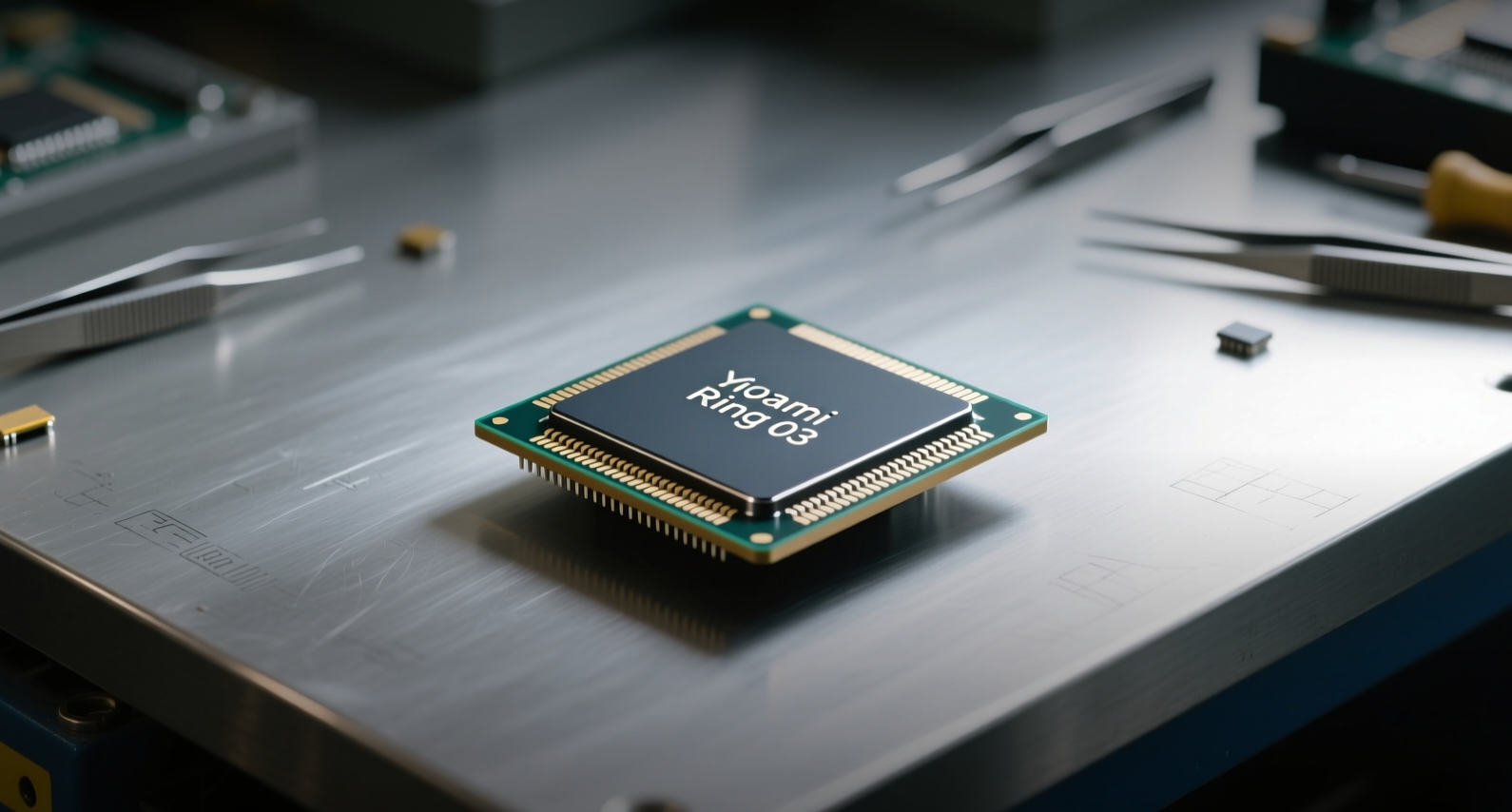
Xiaomi unveiled the Xring O3, its second-generation in-house smartphone processor built on TSMC's 3nm node, targeting initial shipments of 200,000 to 300,000 units for an upcoming flagship foldable — a direct challenge to Qualcomm and MediaTek in the premium segment.
Dan Zhu, vice president of Xiaomi Engineering, disclosed preliminary details of the system-on-chip during a livestream on August 23, according to two people familiar with the matter who confirmed the TSMC manufacturing arrangement and shipment targets.
The O3 follows the Xring O1, which debuted in May 2025 as the first 3nm smartphone processor designed by a Chinese company and has since shipped more than 1 million units across smartphones, tablets, and smartwatches. Xiaomi has dedicated over 2,500 engineers to its chip program. The company also contracted TSMC to manufacture the Xring O100, a 6nm neural processing unit supporting its MiMo large language model, and the Xring D100, a 3nm chip for autonomous driving. The O3 has entered mass production; the O100 and D100 completed development and are slated for deployment next year.
The move deepens Xiaomi's push to reduce reliance on Qualcomm and MediaTek, joining Apple, Samsung, and Huawei in developing proprietary silicon. Xiaomi sold 65 million handsets in the first half of 2026 at an average price of 1,329 yuan ($197.74), and the foldable segment where the O3 debuts is the premium tier where margins are highest. Global smartphone shipments are expected to decline 14% in 2026, according to IDC.
One generation behind, but execution over bragging rights
The Xring O3 sits one process generation behind upcoming rival chips. Qualcomm's rumored Snapdragon 8 Elite Gen 6 Pro and MediaTek's Dimensity 9600 Pro are both expected on TSMC's 2nm N2 process. Yet the O3 is anticipated to break the 4GHz clock speed barrier, and Xiaomi's choice to stay on 3nm suggests a priority on yield and execution over the newest process technology.
The foldable debut is strategic. Huawei shipped 1.6 million foldable phones in China in the second quarter, holding a 68% market share, followed by Honor at 13.7% and Oppo at 8.5%, according to Smart Analytics Global. Xiaomi's entry into the premium foldable segment with its own silicon gives it a differentiation lever in a market where device makers are otherwise competing on identical Qualcomm or MediaTek platforms.
Supply chain resilience and the competitive math
For Qualcomm and MediaTek, the trajectory matters more than current volumes. Xiaomi remains one of the world's largest smartphone makers, and every device running a Xring chip is one fewer device running a Snapdragon or Dimensity processor. The initial few hundred thousand units are modest against the tens of millions of phones Xiaomi sells annually, but the O1's million-plus shipments across multiple device categories shows the scaling path.
For TSMC, the partnership adds another high-profile customer to its 3nm portfolio, which already includes Apple and other major chip designers. The foundry has been expanding capacity for advanced nodes as demand grows from AI and mobile applications.
Xiaomi's chip efforts face technical and commercial hurdles. Developing a competitive flagship SoC requires sustained investment in design, software optimization, and manufacturing partnerships. The company must demonstrate the O3 can match or approach Qualcomm and MediaTek performance while maintaining cost efficiency at relatively low production volumes.
Xiaomi shares fell 4.1% on the day of the announcement, though the long-term positioning in AI-capable devices could support investor sentiment. The Xring program reduces Xiaomi's exposure to Qualcomm's pricing and product cycles, a structural advantage that becomes more valuable as the company pushes into higher-margin foldables. The Pad 8S Pro tablet and a special variant of the Xiaomi 18 Ultra are expected to carry the O3, though Xring-powered devices are unlikely to be officially sold outside China.
This article is for informational purposes only and does not constitute investment advice.
