


Alibaba and SAIC Motor have taken equity stakes in Yuanxin Satellite, operator of China's Qianfan low-orbit constellation, lifting its registered capital to 2.48 billion yuan.
Alibaba and SAIC Motor have taken equity stakes in Yuanxin Satellite, operator of China's Qianfan low-orbit constellation, lifting its registered capital to 2.48 billion yuan.
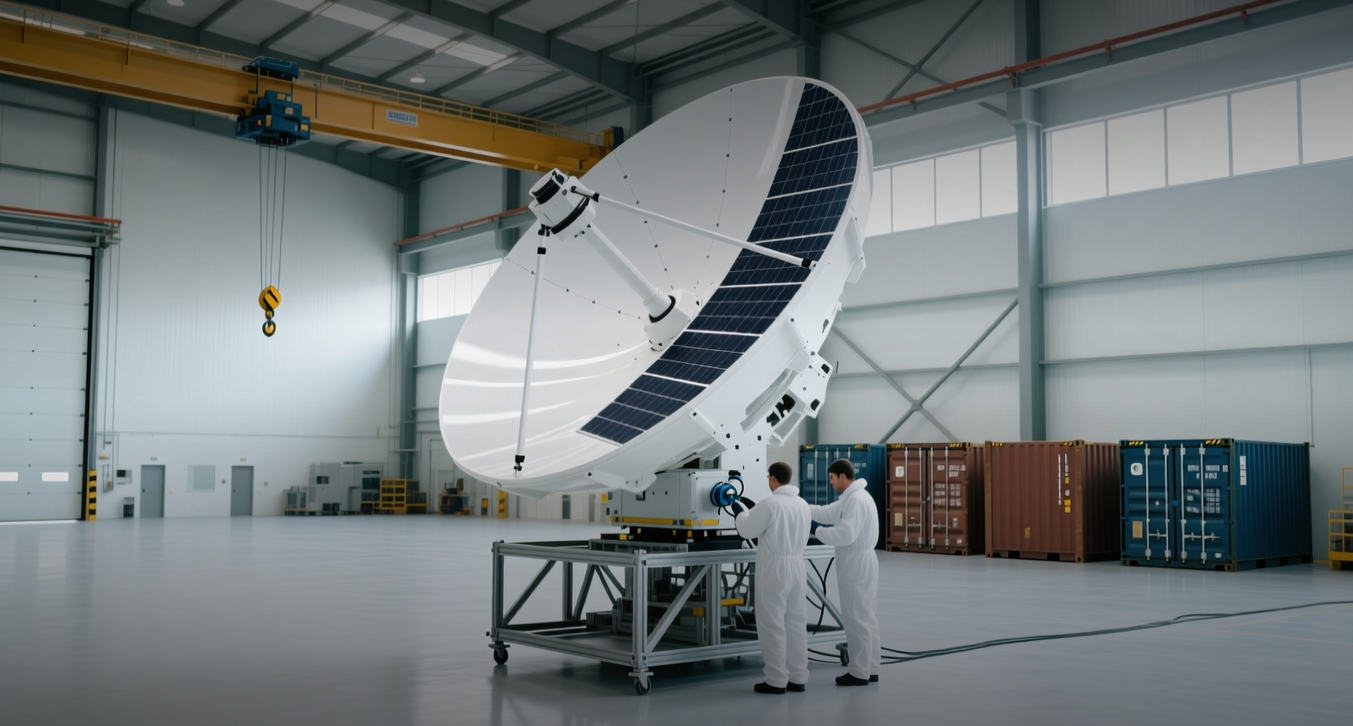
Alibaba Group and SAIC Motor have taken stakes in Yuanxin Satellite, the operator of China's Qianfan low-orbit constellation, lifting its registered capital to 2.48 billion yuan and deepening corporate backing for Beijing's commercial space ambitions.
"To explore the vast cosmos, develop the space industry and build China into a space power is our eternal dream," Xi Jinping said in a 2022 policy document that set the tone for the country's push into orbit.
The capital increase was registered through a business change at Shanghai Yuanxin Satellite Technology Co., with Hangzhou Alibaba Venture Capital Investment Co. and SAIC's wholly-owned subsidiary Shanghai Auto Group Financial Holding Management Co. joining as shareholders. Yuanxin is the exclusive construction and operation entity for the Qianfan (Thousand Sails) constellation, a commercial low-orbit satellite network designed to rival SpaceX's Starlink.
The deal marks one of the largest corporate investments in China's satellite internet sector, a field Beijing has designated as strategically important. With about 600 commercial space firms formed since the state monopoly ended in 2014, the capital injection could accelerate Qianfan's deployment timeline and reshape competition in China's satellite communications market.
The Qianfan constellation is part of a broader national push to build satellite internet infrastructure that can provide broadband coverage across China and beyond. The project competes directly with SpaceX's Starlink, which has deployed thousands of satellites in low Earth orbit and offers global connectivity. China's government views satellite internet as essential infrastructure, particularly for remote regions and for strategic communications resilience.
Corporate capital meets state aerospace restructuring
The investment comes as China's state aerospace sector undergoes significant restructuring. The China National Space Administration (CNSA) was reorganized late last year and given new oversight of the commercial space sector. Several top officials with space sector backgrounds have been removed in an anti-corruption drive, including former CNSA heads Xu Dazhe and Zhang Kejian. The China Aerospace Science and Technology Corporation (CASC), the state-owned enterprise responsible for launch vehicles and satellites, continues to work alongside private firms on national projects.
For Alibaba, the investment extends its reach into satellite-enabled cloud and edge computing services. The company's cloud division has been expanding its infrastructure offerings, and low-orbit satellite connectivity could enable new data services in underserved areas. SAIC Motor's participation suggests automotive applications, potentially for connected vehicles and autonomous driving systems that require reliable, low-latency connectivity.
What the deal means for China's satellite race
The deal also reflects the growing convergence of technology, automotive, and aerospace sectors in China. As the country's commercial space industry matures, more cross-industry investments are expected. The Qianfan constellation's deployment timeline will be closely watched, with China's satellite internet buildout still in early stages compared with Starlink's operational network, which has been commercially available since 2020.
The last time a major Chinese tech company invested in satellite infrastructure was in 2020, when Huawei partnered with state-owned satellite operators for 5G-backhaul trials. That partnership produced limited commercial results, but the scale of the current investment — with registered capital now at 2.48 billion yuan — suggests a more serious commitment. If Qianfan achieves its deployment targets, it could provide a domestic alternative to Starlink for Chinese enterprises and government agencies, reducing dependence on foreign satellite services. The next milestone to watch is Qianfan's satellite launch cadence, which will determine whether the constellation can reach operational scale within Beijing's stated timeline for a national satellite internet network.
This article is for informational purposes only and does not constitute investment advice.
