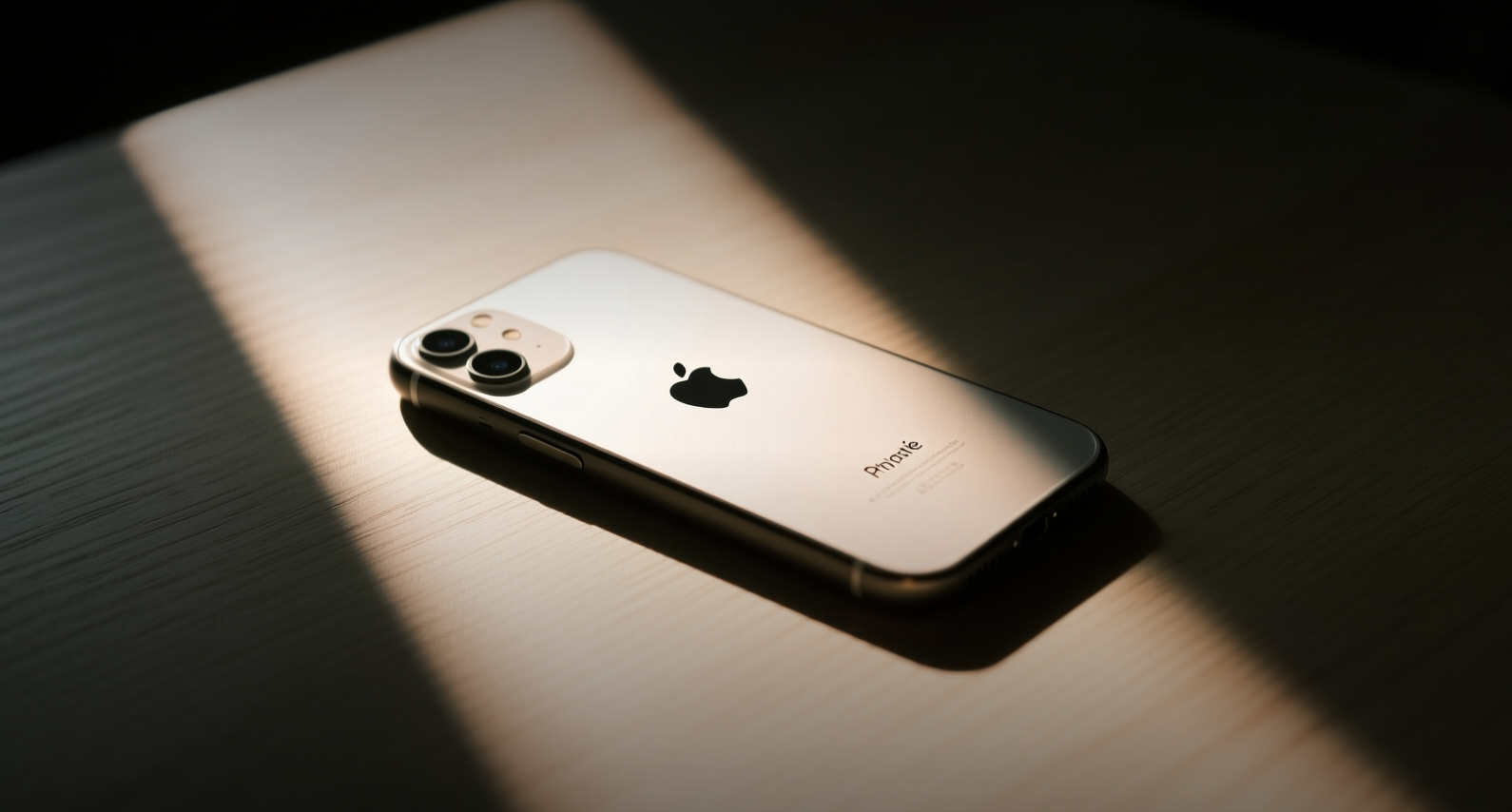
Apple is pressing the Trump administration to let it buy memory chips from a Pentagon-blacklisted Chinese supplier as AI data centers drain global DRAM supply.
AI data centers are consuming DRAM supply so aggressively that Apple is lobbying Washington to buy memory chips from a Pentagon-blacklisted Chinese supplier, ChangXin Memory Technologies, as consumer electronics prices climb.
Tim Cook described the memory price increases as "unsustainable" during a mid-June discussion with the Wall Street Journal, as the company rolled out price increases across Macs and iPads including a $100 bump on the MacBook Neo.
CXMT was added to the Pentagon's Section 1260H list of Chinese military-linked companies on June 8, 2026. The designation hasn't yet banned private commercial sales, but it puts the company squarely in Washington's crosshairs. Apple is engaging directly with the Commerce Department and Treasury officials seeking assurances that CXMT won't face stricter regulations that would cut off a potential supply lifeline. The company sold more than $400 billion worth of products and services in its most recent fiscal year, with hardware comprising the majority of that revenue.
The lobbying push faces stiff opposition from a bipartisan group of lawmakers including Rep. John Moolenaar, who argue it would deepen US tech dependence on China. Domestic memory producers like Micron, which have invested billions in US chip manufacturing through CHIPS Act subsidies, also oppose the move. Sustained memory price inflation directly compresses margins on every Mac, iPad, and iPhone Apple ships.
$100 MacBook Neo Hike Traces to AI Data Center Demand
Around June 25, Apple rolled out significant price increases across Macs and iPads, including the $100 bump on the MacBook Neo. The root cause isn't a manufacturing failure or a natural disaster — it's demand reallocation. AI data centers are consuming DRAM and memory components at a pace that has left consumer electronics makers scrambling for scraps. The same chips that go into a MacBook also go into the servers training large language models, and data center operators are willing to pay more for them.
Micron, Lawmakers Push Back on CXMT Access
Section 1260H exists specifically to flag companies with alleged ties to the Chinese military, and greenlighting Apple to buy from one of those companies would set a politically uncomfortable precedent. US semiconductor firms have their own reasons to oppose the move. Micron has invested billions in expanding American chip manufacturing, partly at the government's encouragement through CHIPS Act subsidies. Letting Apple turn to a cheaper Chinese alternative would undermine the economic logic behind those investments.
Reports from late June documented Apple's active engagement with multiple federal agencies, suggesting this isn't a casual inquiry but a coordinated campaign. The company appears to be arguing that CXMT's blacklist status shouldn't automatically preclude commercial transactions.
The broader dynamic extends well beyond Apple. Medical device makers and other electronics companies are also seeking government intervention as memory chips get vacuumed up by data center buildouts. For Apple specifically, the stakes are enormous — the company sold more than $400 billion worth of products and services in its most recent fiscal year, and hardware remains the majority of that revenue.
For investors, the memory crunch cuts both ways. Micron and other memory manufacturers benefit from sustained pricing power as AI demand absorbs supply, while downstream hardware makers like Apple face margin compression that could persist as long as data center operators outbid consumer electronics for the same DRAM wafers. Apple's $400 billion annual revenue base means even modest margin pressure translates into billions in lost profit.
This article is for informational purposes only and does not constitute investment advice.