
ChangXin's LPDDR6 validation is nearing completion, closing the DRAM gap with SK Hynix as Apple weighs adding the Chinese maker to its supply chain.
ChangXin's LPDDR6 validation is nearing completion, closing the DRAM gap with SK Hynix as Apple weighs adding the Chinese maker to its supply chain.
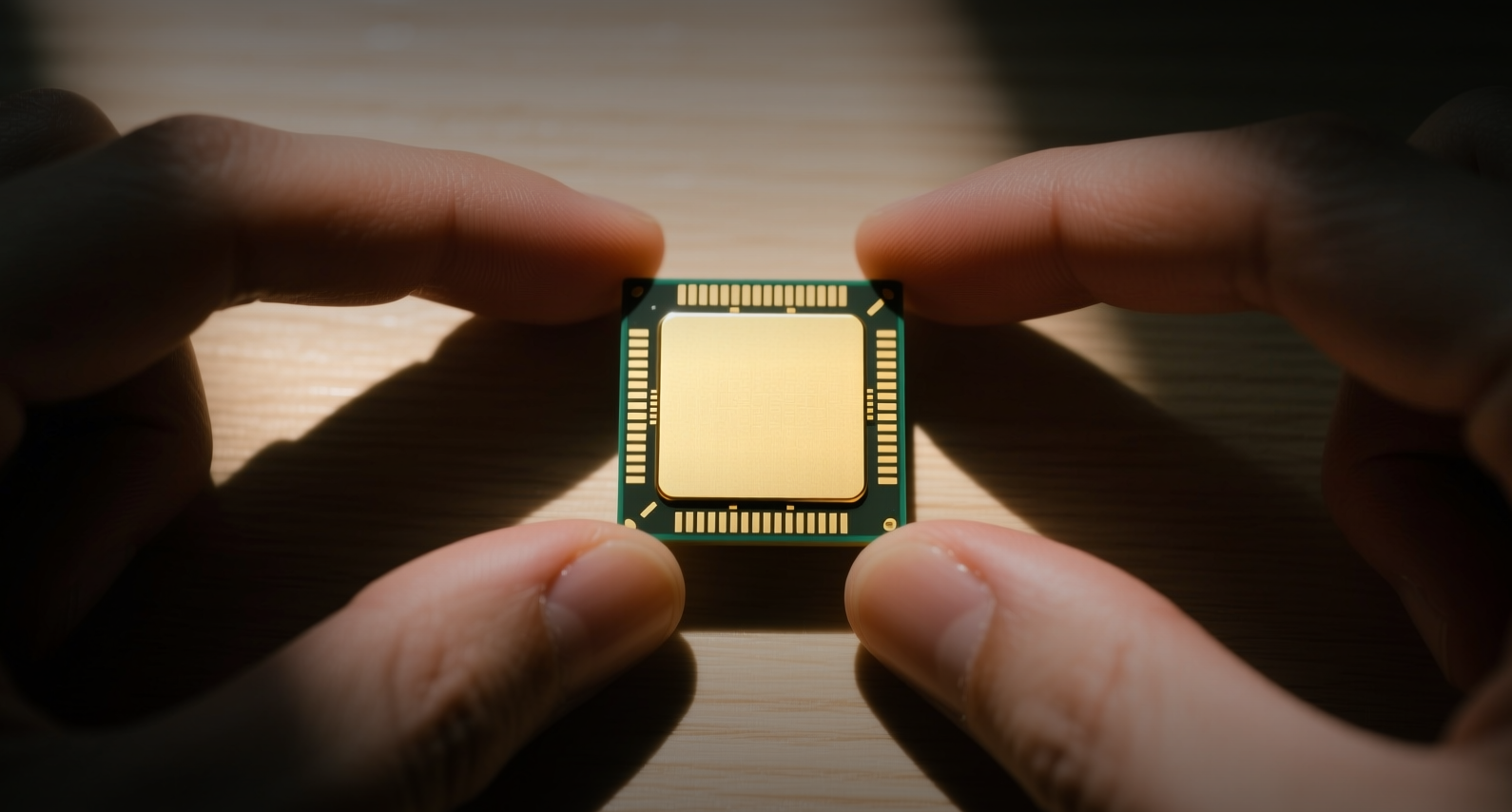
ChangXin Memory Technologies has pushed LPDDR6 development validation to its final stage, putting the Chinese maker on track to challenge SK Hynix for the first 12,800 Mbps mobile DRAM mass production in the second half of 2026.
Nomura analysts, in a research note, called ChangXin's DRAM "the jewel in China's crown," setting a 116 yuan target price and forecasting its global share will climb to 18 percent by the end of 2028 from roughly 10 percent now.
The first LPDDR6 product carries a 12,800 Mbps design rate, a 10,667 Mbps baseline rate when paired with a system-on-chip, 16Gb die density and 16GB chip capacity in 1295-ball POP packaging. That compares with the LPDDR5X line released in 2025, which reached 10,667 Mbps at 12Gb and 16Gb densities, a 66 percent jump over the LPDDR5 family launched in late 2023 at 6,400 Mbps with 30 percent lower power draw.
The milestone matters beyond Apple, which is testing ChangXin DRAM for China-market products. Approaching mass production means domestic memory is narrowing the gap with overseas leaders, potentially breaking the pattern where Samsung, SK Hynix and Micron dominate frontier memory iteration and reshaping the global DRAM market structure.
LPDDR products typically move through four stages before shipping: single-die verification, development validation, small-batch qualification and formal mass production. Development validation covers compatibility, system stability, performance and power, and mechanical reliability testing. With that phase in its final stretch, ChangXin's LPDDR6 commercialization is past the halfway point, according to people familiar with the matter.
The pace marks a sharp acceleration. From the LPDDR5 launch in late 2023 to LPDDR6 sampling for core customers, ChangXin has spanned two DRAM generations in under three years, backed by research spending of 9.593 billion yuan in 2025, up 51.28 percent year over year, with cumulative investment exceeding 20.6 billion yuan from 2023 to 2025 and 6,972 patents by the end of 2025.
SK Hynix remains the fastest public competitor, announcing in March the completion of development validation for the world's first 16Gb LPDDR6 DRAM on its sixth-generation 10-nanometer-class process, with mass production planned for the second half of 2026. Samsung and Micron have been more restrained in LPDDR6 investment, shifting wafer capacity toward higher-margin HBM and server DRAM, a window ChangXin is exploiting.
ChangXin's global DRAM share stood at 7.67 percent per Omdia, with Nomura estimating about 10 percent. The company expects first-half 2026 revenue of 110 billion to 120 billion yuan, up 612.53 percent to 677.31 percent year over year, and net profit of 50 billion to 57 billion yuan, up 2,244 percent to 2,544 percent. Its market value surpassed 3.6 trillion yuan within a week of listing.
Apple is pushing to diversify its memory supply. The Financial Times reported in June that Apple sought approval to buy ChangXin DRAM and contacted the US Commerce Department, and in July that it had begun internal testing of the chips for products sold in China. At Apple's fiscal third-quarter earnings call on July 30, Chief Executive Officer Tim Cook said the company is evaluating all options, noting that more DRAM suppliers would help supply and potentially pricing.
ChangXin's LPDDR products already sit in the supply chains of Xiaomi, Transsion, Honor, OPPO and vivo. For investors, the question is whether the market has priced in the share gains: Nomura's 116 yuan target implies continued upside, while the first-half profit surge of more than 2,200 percent reflects a memory upcycle that could cool as supply normalizes.
This article is for informational purposes only and does not constitute investment advice.
