

A federal judge spared Google's ad-tech business from a forced breakup but imposed behavioral conduct remedies, marking the second antitrust case where Alphabet avoided structural divestiture.
A federal judge spared Google's ad-tech business from a forced breakup but imposed behavioral conduct remedies, marking the second antitrust case where Alphabet avoided structural divestiture.
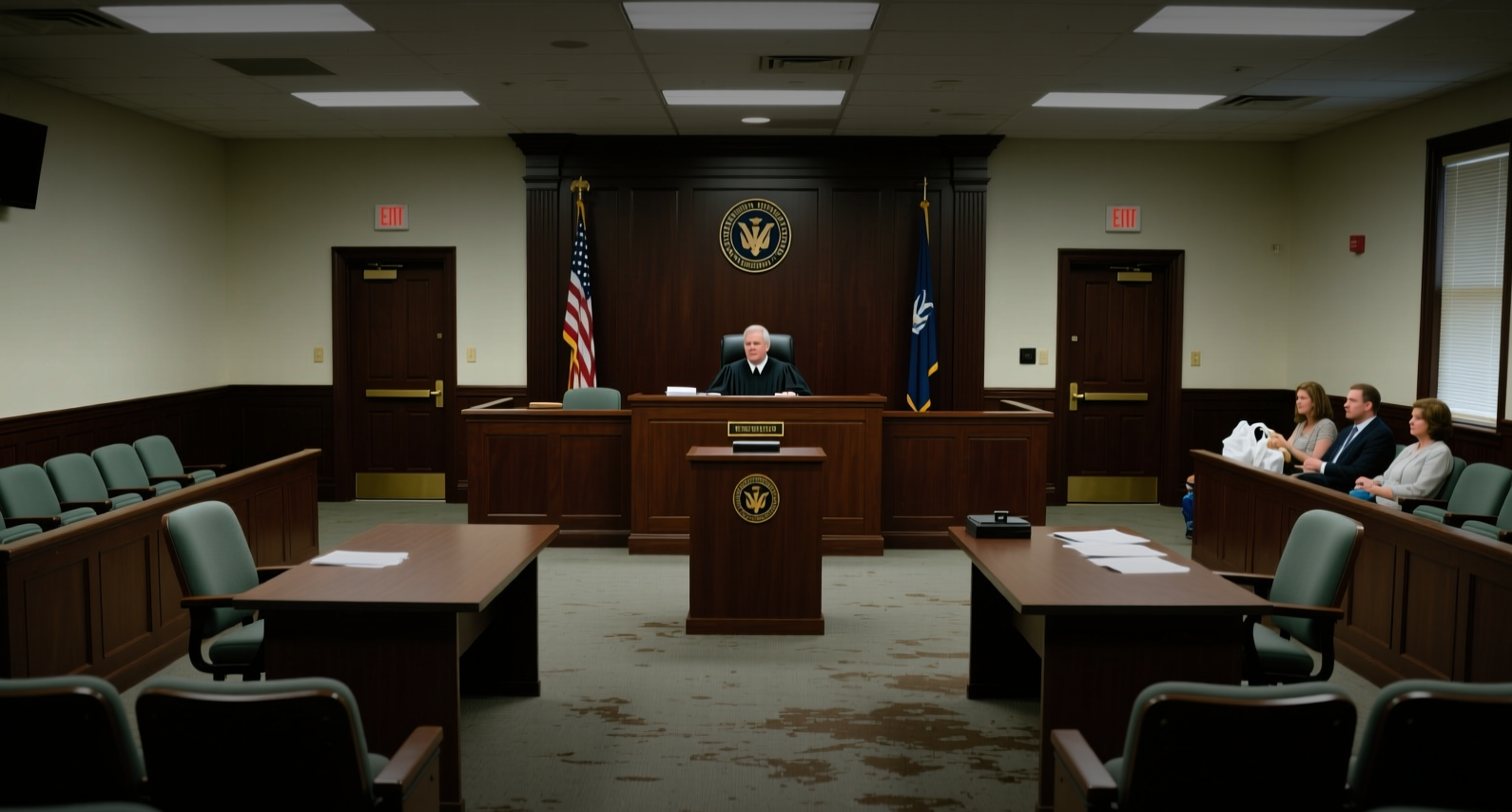
Google will keep its ad-tech stack intact after a federal judge rejected the Justice Department's breakup request, but the behavioral remedies she imposed could still reshape how Alphabet's advertising business competes.
"We're very pleased the Court rejected the DOJ's proposal to break apart tools that help small businesses reach new customers and grow," Lee-Anne Mulholland, Google's vice president of regulatory affairs, said.
U.S. District Judge Leonie Brinkema in the Eastern District of Virginia ruled Wednesday that Google need not sell its AdX exchange, which connects publishers selling ad space to advertisers, nor open-source the technology behind DoubleClick for Publishers, its publisher-side platform. She accepted "most of the parties' proposed behavioral remedies, as modified by this Court," though the specifics remain under seal. The ruling follows a two-week trial in which Brinkema found Google had "willfully engaged in a series of anticompetitive acts to acquire and maintain monopoly power" over the publisher and ad exchange markets.
The decision spares Alphabet the most severe structural remedy the government sought, yet the conduct restrictions could still bind the unit at the center of its digital advertising machine. It is the second time in two years Google has escaped a court-ordered breakup — after a separate judge in August 2024 declined to force a sale of its Chrome browser over the search monopoly — even as it lost on the merits in both cases.
The Justice Department sued Google in 2023, accusing the company of monopolizing ad tech by acquiring rivals and tying its products together. Brinkema ruled largely for the government on liability but stopped short of the structural surgery the DOJ argued was the only remedy that would restore competition. Her decision to keep AdX and DoubleClick for Publishers intact while imposing conduct fixes mirrors the earlier search case, where regulators also failed to force a divestiture.
The behavioral remedies, once unsealed, will determine how much the ruling actually costs Alphabet. The DOJ had argued that conduct-only fixes would prove unworkable against a company repeatedly found to use its control of ad-buying and ad-selling tools to favor its own exchange. Google has said the tools help small businesses reach customers, and Mulholland framed the ruling as a win for those advertisers.
For Alphabet, the practical stakes lie in the terms of the conduct regime and how closely any court-appointed monitor supervises compliance. The ad business remains the company's largest revenue engine, and requirements to run its exchange and publisher tools more neutrally could narrow the margin advantage the government argued flowed from self-preferencing. The exact obligations — which tools must be opened to rivals, what data must be shared, and how bidding must be handled — are not yet public, with the opinion's specifics still under seal.
The ruling does not end Google's antitrust exposure. The DOJ may appeal the rejection of structural remedies, and the company still faces the remedy phase of the separate search case that began with the August 2024 liability finding. For investors, Wednesday's outcome removes the most severe scenario that had hung over Alphabet shares, though the conduct terms and any appeal leave the final cost unresolved. The last time Google faced a similar remedy decision, in the search case, the resulting conduct proposals took more than a year to reach a court ruling — a timeline that suggests the ad-tech terms may not be settled quickly either.
This article is for informational purposes only and does not constitute investment advice.
