Gossamer Bio cleared a regulatory path for its lead drug candidate seralutinib and regained full global rights, setting up a potential approval decision in the third quarter of 2027.
Gossamer Bio Inc. (Nasdaq: GOSS) plans to submit a New Drug Application for seralutinib in pulmonary arterial hypertension in September 2026 after the U.S. Food and Drug Administration characterized questions about the drug's statistical significance as review issues rather than barriers to filing, the company said Monday. Shares surged 25 percent on the news.
"This is a defining moment for Gossamer," said Faheem Hasnain, Chairman, Co-Founder, and Chief Executive Officer. "After years of disciplined execution, we are now closer than ever to bringing forward what we believe can be a first-in-class, important new medicine for PAH patients who need better options."
The NDA will be supported by one adequate and well-controlled study — the Phase 3 PROSERA trial — plus confirmatory evidence from the Phase 2 TORREY study and supportive analyses. PROSERA showed a placebo-adjusted improvement of 13.3 meters in patients' six-minute walk distance after 24 weeks, with a p-value of 0.032 that missed the trial's prespecified significance threshold of 0.025. If the FDA accepts the filing, seralutinib could receive an approval decision in the third quarter of 2027.
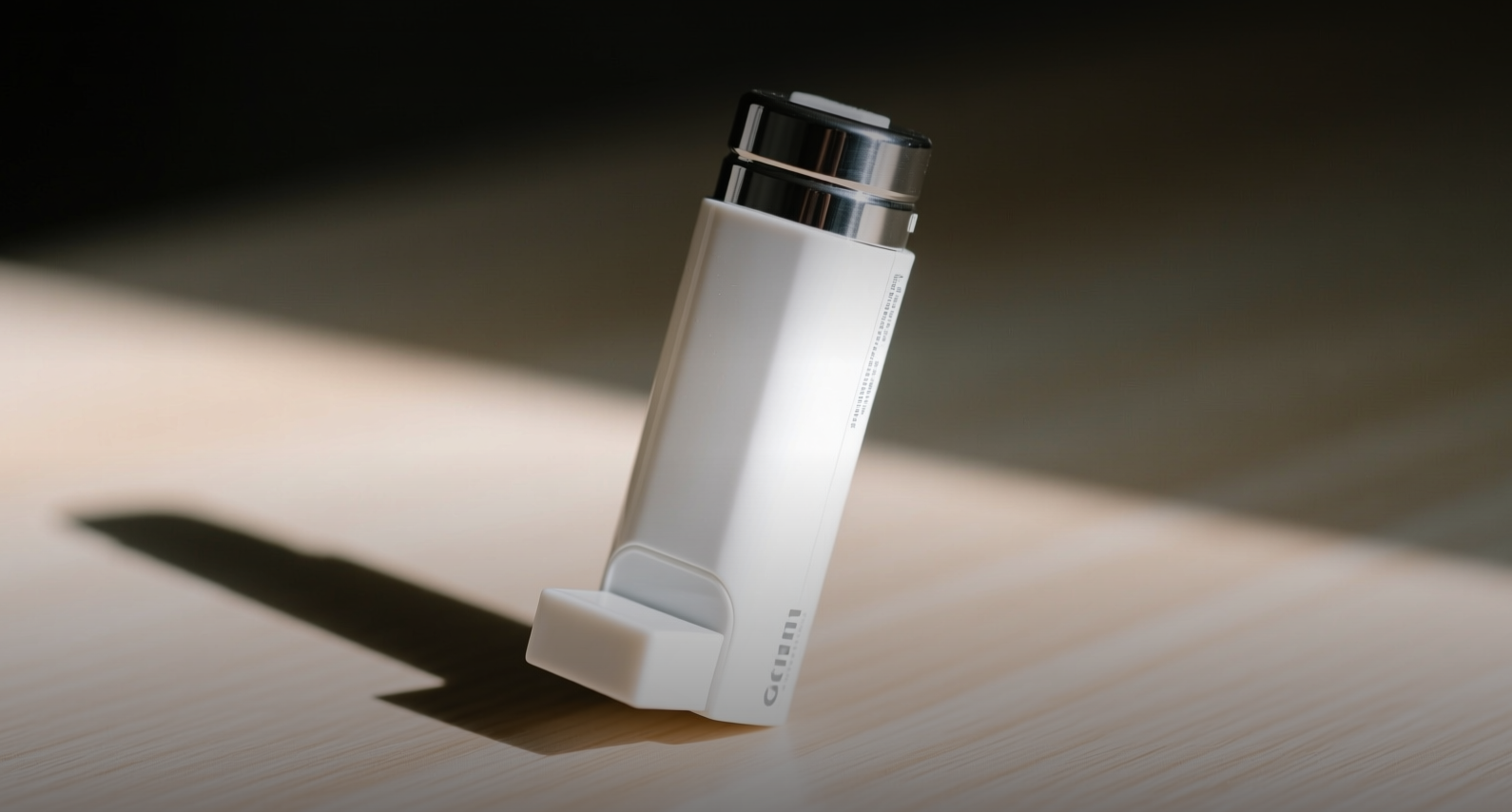
Seralutinib is an inhaled inhibitor of PDGFR, CSF1R and c-KIT, designed to target the underlying vascular remodeling that drives PAH, a rare and rapidly progressing disease affecting roughly 40,000 people in the United States. The drug's mechanism differs from Merck & Co.'s Winrevair, which entered the market in 2024 as the first therapy targeting an underlying cause of the disease, and from Johnson & Johnson's portfolio of PAH drugs including Uptravi, Opsumit and the combination therapy Opsynvi.
Reacquiring Full Global Rights From Chiesi
Gossamer and Italian biopharma Chiesi agreed to terminate their Collaboration and License Agreement, returning worldwide development and commercial rights to Gossamer without any upfront cash payment. The termination dissolves the prior 50-50 U.S. profit-sharing arrangement and returns ex-U.S. rights to the company, giving it full operational control of development, manufacturing, commercialization, pricing and lifecycle strategy across all geographies.
Under the original 2024 deal, Chiesi paid Gossamer $160 million as a development reimbursement and was eligible for up to $146 million in regulatory milestone payments and $180 million in sales milestones. Under the termination terms, Chiesi will make a one-time $5 million payment to Gossamer settling all outstanding obligations, and in exchange will receive a capped royalty on worldwide net sales of seralutinib plus payments tied to specified regulatory and commercial milestones.
"Reacquiring the worldwide rights to seralutinib is equally significant," Hasnain said. "It returns global development and commercialization decisions to Gossamer and secures the substantial majority of the program's long-term economics for our shareholders."
Debt Restructuring Strengthens Balance Sheet
Gossamer's stockholders approved proposals related to the previously completed exchange of its 5 percent convertible senior notes due 2027, reducing the company's outstanding principal debt by approximately $115.9 million. Through the exchange, Gossamer converted $181.1 million, or 90.5 percent, of the $200 million aggregate principal amount of 2027 Notes into approximately $65.2 million of new 7.5 percent convertible senior secured first lien notes due 2030, together with equity securities and warrants. The remaining balance of the 2027 Notes stands at approximately $18.9 million.
The company reported approximately $57 million in cash, cash equivalents and marketable securities as of June 30, providing runway to support the planned NDA submission and initial commercial preparations. Stockholders also authorized the board to effect a reverse stock split to support compliance with Nasdaq's minimum bid price requirement.
The Phase 3 PROSERA trial enrolled patients with PAH and demonstrated greater activity in patients with more advanced disease across four secondary endpoints, though the primary endpoint missed the stringent prespecified threshold. Gossamer's path to approval now hinges on whether the FDA accepts the argument that the magnitude and consistency of the treatment effect, combined with confirmatory evidence from the Phase 2 study, meets the standard for a single adequate and well-controlled trial with supporting data. An approval would position seralutinib as a potential first-in-class inhaled therapy in a PAH market that has attracted significant investment from large pharmaceutical companies.
This article is for informational purposes only and does not constitute investment advice.