
Key Takeaways:
- JGB 10-year yield slipped 1.5 basis points to 2.830 percent in early Tokyo trade
- Falling crude prices reduced urgency for the BOJ to raise rates quickly
- BOJ raised its policy rate to 1 percent in July, the highest in 31 years
Key Takeaways:
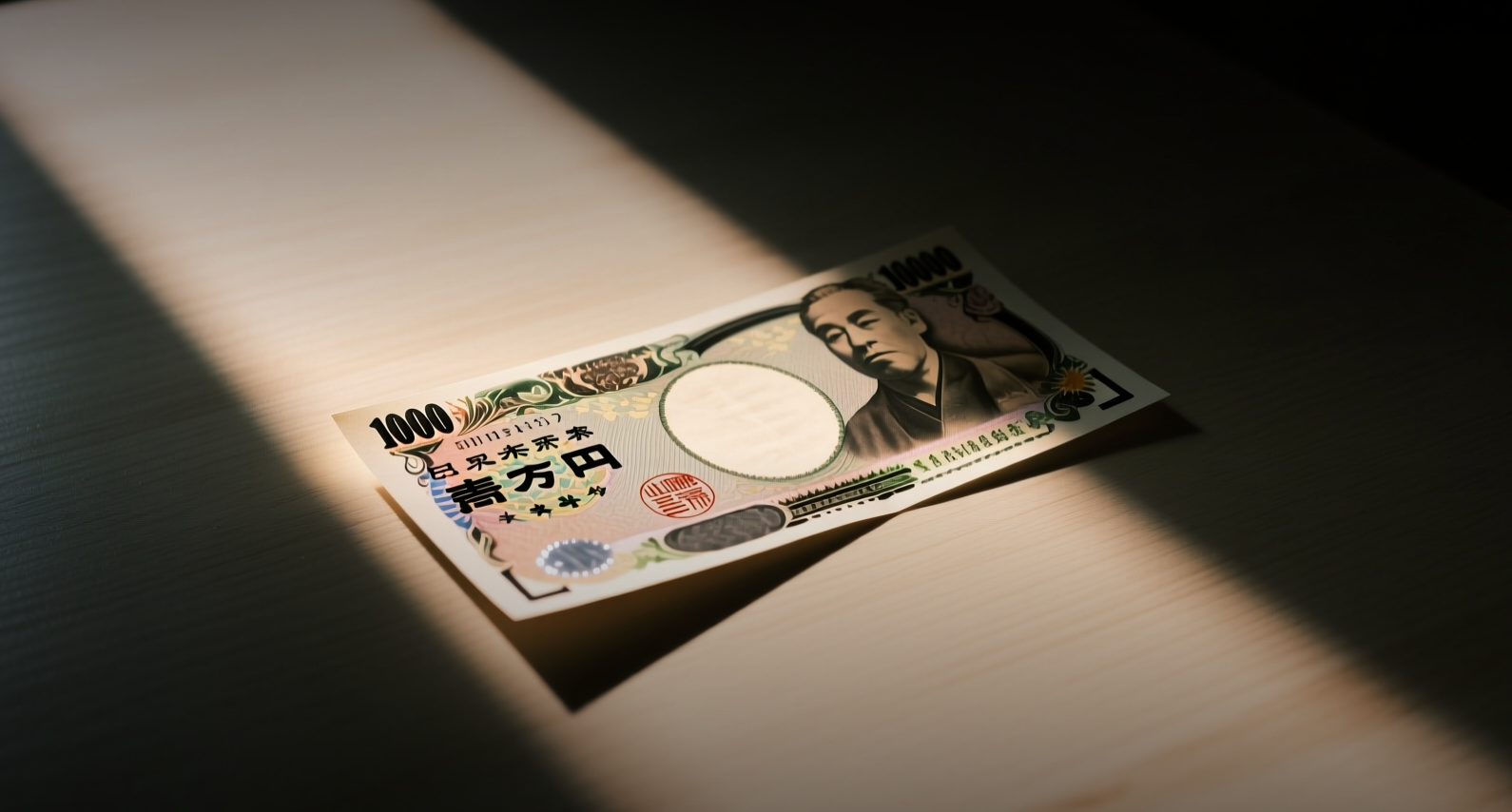
Japanese government bonds traded mixed in early Tokyo trade as falling crude prices eased pressure on the Bank of Japan to accelerate rate increases.
Japanese government bonds traded mixed in early Tokyo trade, with the 10-year yield slipping 1.5 basis points to 2.830 percent as falling crude prices reduced urgency for the Bank of Japan to raise rates quickly.
"Markets looked to signs of progress towards a narrow deal to reopen the Strait of Hormuz," Taylor Nugent, senior economist at National Australia Bank, said in commentary.
The two-year JGB yield was unchanged at 1.565 percent, while the 10-year yield fell 1.5 basis points to 2.830 percent. JGBs and U.S. Treasurys tend to move in tandem, and overnight price gains in U.S. government debt provided support. The Bank of Japan raised its short-term policy rate to 1 percent in July, the highest level in 31 years, but stopped short of signaling immediate further tightening.
The BOJ's gradual normalization path has kept JGB yields elevated, with the 10-year yield near multi-decade highs. If crude prices continue to decline, inflation pressure in Japan could ease further, potentially delaying the next BOJ hike and supporting bond prices. The central bank's next policy meeting will be closely watched for signals on the pace of further tightening.
The decline in crude oil prices follows progress toward a potential deal to reopen the Strait of Hormuz, a critical shipping lane for global energy supplies. A resolution would ease supply concerns that have pushed oil prices higher in recent months, feeding into inflation expectations across major economies.
For Japan, lower energy costs carry particular weight. The country imports nearly all of its crude oil, making it highly sensitive to global energy price swings. Wholesale inflation in Japan recently quickened to its fastest pace in three years, driven in part by elevated energy costs, and a sustained decline in crude would help moderate that pressure.
The BOJ's July decision to raise rates to 1 percent marked the highest policy rate in 31 years, yet the central bank avoided committing to an aggressive tightening cycle. The yen strengthened modestly against the dollar following the hike, and the Nikkei 225 crossed 70,000 for the first time as investors interpreted the move as the start of a gradual normalization rather than a rapid series of increases.
The last time the BOJ raised rates to a similar level was in the mid-1990s, when the central bank was navigating the aftermath of Japan's asset bubble. That period was followed by a prolonged era of ultra-loose policy, showing how carefully the BOJ must calibrate its exit from negative rates.
U.S. Treasury yields have also been under pressure as geopolitical tensions ease, with investors pricing in a more benign inflation outlook. The correlation between JGBs and Treasurys means further gains in U.S. government debt could provide additional support for Japanese bonds in the near term.
The BOJ's next policy meeting will be a key test for the bond market. If oil prices continue to fall and inflation moderates, the central bank may hold rates steady for longer than markets currently expect, keeping JGB yields anchored. Conversely, any renewed energy price spike or stronger-than-expected wage growth could force the BOJ to accelerate its tightening path.
This article is for informational purposes only and does not constitute investment advice.
