


Leapmotor delivered 101,267 vehicles in July, becoming the first Chinese new-energy vehicle startup to cross the 100,000-unit monthly threshold.
Leapmotor delivered 101,267 vehicles in July, becoming the first Chinese new-energy vehicle startup to cross the 100,000-unit monthly threshold.
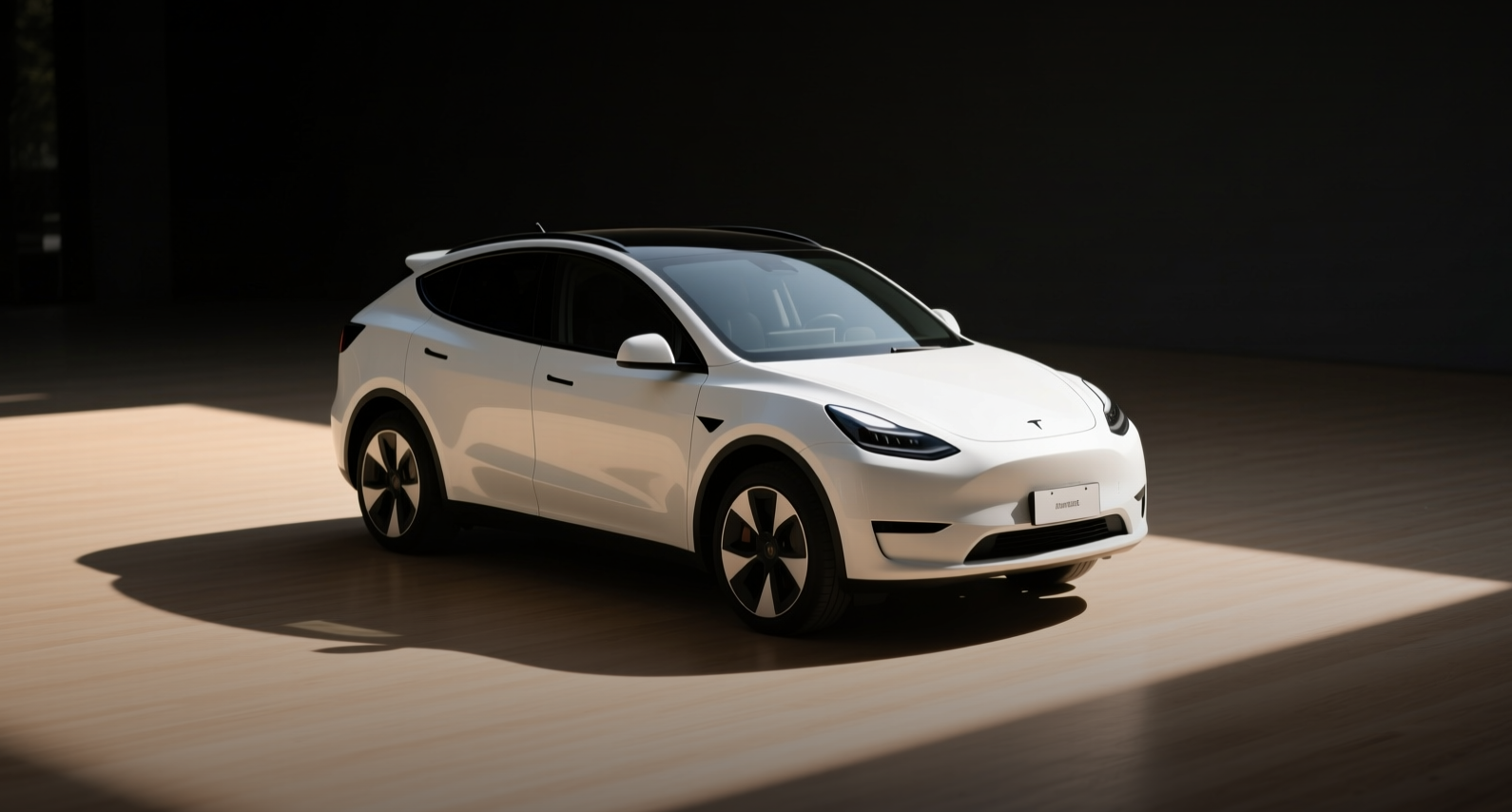
Leapmotor delivered 101,267 vehicles in July, up 102 percent year-on-year, becoming the first Chinese EV startup to cross the 100,000-unit monthly mark — a scale once reserved for mainstream automakers. Six years ago, the company delivered just 879 units in a single month. The Stellantis-backed automaker (HKEX: 9863) has now posted four consecutive monthly delivery records, rising 8.45 percent from June's 93,376 units.
"We will not adjust our full-year target for now," Xu Jun, senior vice president at Leapmotor, said on July 16. "We will work through products, marketing and channels to get as close to the goal as possible."
The July volume came from a broadened product portfolio spanning 60,000 to 300,000 yuan ($8,840 to $44,190). The A10 compact EV contributed nearly 30,000 units, the B01 and B10 combined for more than 20,000, and the D19 crossover added over 10,000. The D99 MPV, launched in June, carries an average order price above 300,000 yuan, though converting those orders into deliveries remains a work in progress. The A and B series now anchor volume in the mass-market price band, while the D series is tasked with lifting average transaction values.
The milestone arrives as Leapmotor's financial trajectory shows strain. In 2025, the company delivered 596,600 vehicles, up 103.1 percent, with revenue growing 101.3 percent and gross margin expanding from 8.4 percent to 14.5 percent, yielding a net profit of 540 million yuan. But in the first quarter of 2026, deliveries rose 25.8 percent to 110,200 units while revenue grew just 8 percent to 10.82 billion yuan. Gross margin fell to 9.4 percent, and the company posted a net loss of 390 million yuan with operating cash flow of negative 6.61 billion yuan.
The divergence between delivery growth and revenue growth reflects a structural shift. The A and B series, priced in the mass-market band, now drive the bulk of volume but carry lower average selling prices than the C and D series they replaced. Management has said new models, including the A10, would account for 60 percent of total sales in 2026. The company attributed the Q1 margin compression to product mix changes, reduced strategic partnership revenue, and higher payables.
Overseas expansion adds another layer of cost. Leapmotor exported 40,901 vehicles in the first quarter, about 37 percent of sales, using Stellantis's distribution network. The company formally entered Indonesia on July 31 through local KD (knocked-down) assembly with PT National Assemblers, a unit of the Indomobil group, complementing its Malaysian plant. Business now spans more than 40 countries with over 2,000 sales outlets — but certification, logistics, channel and after-sales costs will pressure near-term margins.
The company needs to deliver 542,246 vehicles over the remaining five months of 2026, or about 108,449 per month, to hit its 1 million-unit target. That pace exceeds July's level, though the refreshed B01 and B10 (starting at 95,800 yuan and 99,800 yuan respectively) and the A05 compact EV, which opened pre-orders on July 27, are designed to close the gap. The A05 will compete head-on with the BYD Dolphin and Geely Xingyuan in the compact segment.
Leapmotor's path diverges from the premium-first playbook that defined China's EV startup generation. BYD, which dominates the mass market with models like the Dolphin, and Geely's Xingyuan now face a direct challenger in the A05. The question is whether volume at this scale can translate into sustainable profitability — the first startup to cross 100,000 monthly deliveries must now prove it can operate at that size profitably. Higher factory utilization and procurement leverage could offset some margin pressure, but the company must also absorb rising costs from new model launches, channel expansion, and overseas operations.
This article is for informational purposes only and does not constitute investment advice.
