Trump Eases Auto Fuel Rules, Reshaping EV Market
## Executive Summary
The Trump administration has announced a proposal to significantly roll back Corporate Average Fuel Economy (CAFE) standards, a key regulatory framework governing vehicle emissions. The new plan targets a fleetwide average of approximately 34.5 miles per gallon (MPG) by the 2031 model year, a substantial reduction from the 50.4 MPG goal set by the prior administration. The move has been met with applause from traditional automakers such as **Ford**, **General Motors**, and **Stellantis**, who view the relaxed targets as more aligned with consumer demand and economic reality. Conversely, the decision creates significant headwinds for the electric vehicle (EV) market, particularly for companies like **Tesla**, and has drawn sharp criticism from environmental organizations.
## The Event in Detail
At a White House event attended by auto industry executives, the administration unveiled its plan to amend the CAFE standards overseen by the National Highway Traffic Safety Administration (NHTSA). The proposal formally lowers the required year-over-year efficiency gains for automakers through 2031. The administration's stated rationale is to make vehicles more affordable, claiming the previous rules imposed expensive technologies that would have increased average vehicle prices by an estimated $1,000. Transportation Secretary Sean Duffy stated the new rules "are going to allow the automakers to make vehicles that Americans want to purchase." The proposal also seeks to establish a single national standard, a move intended to block states like California from imposing their own, stricter emissions requirements.
## Market Implications
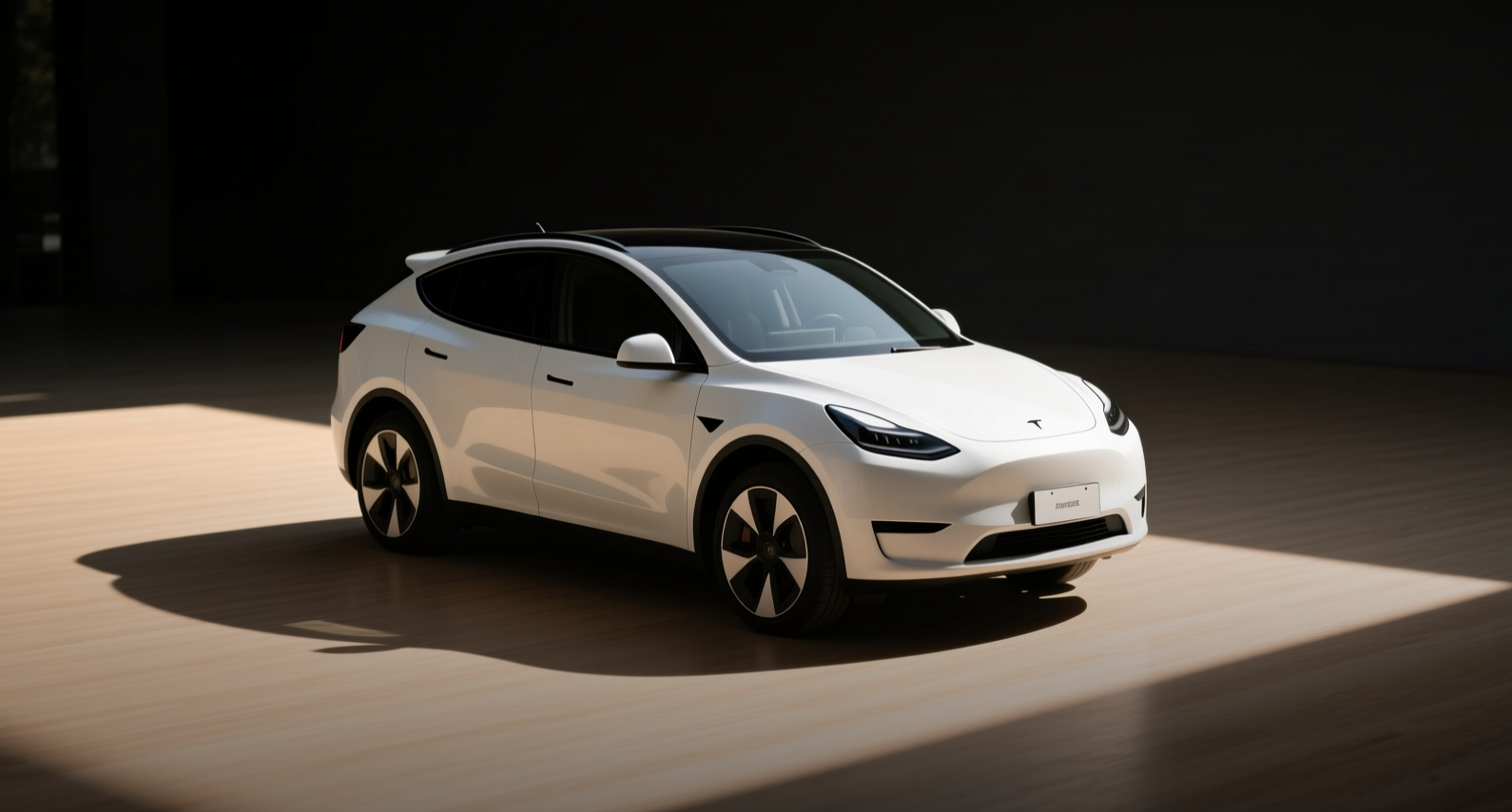
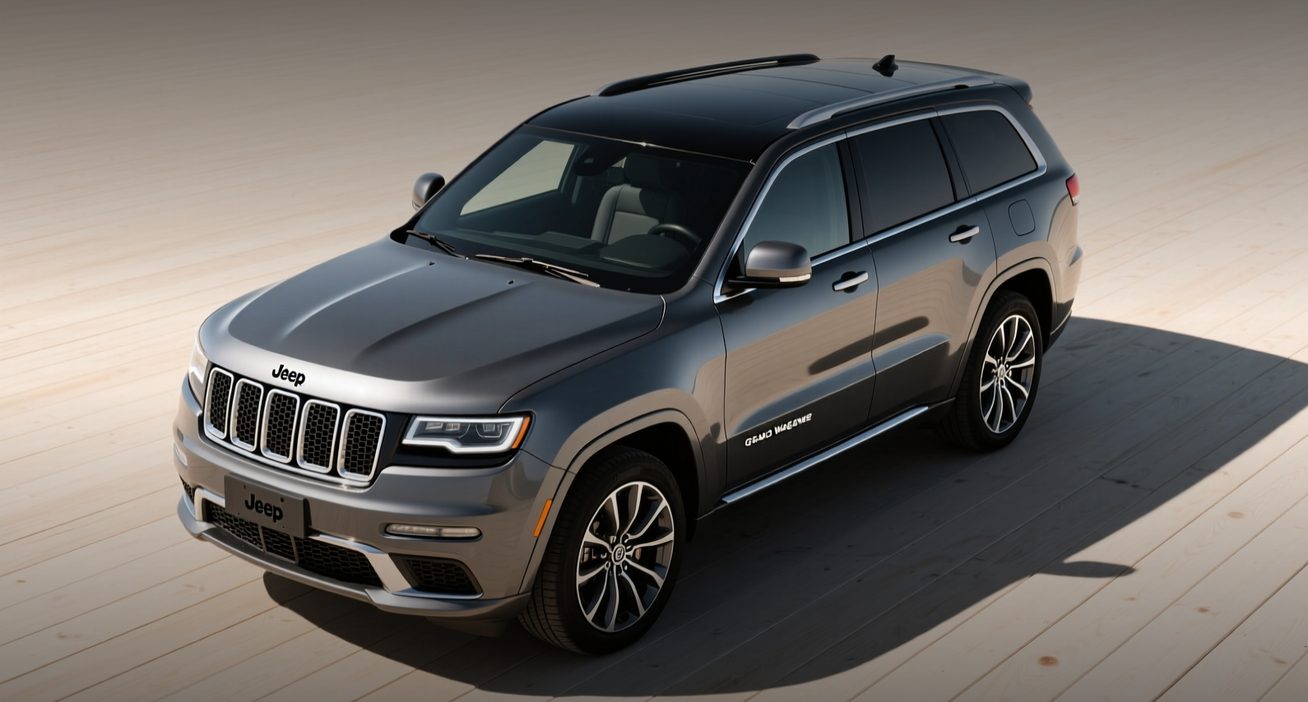
The rollback of CAFE standards is poised to reshape the U.S. automotive landscape. For traditional automakers, it provides significant regulatory relief and financial flexibility, allowing them to continue focusing on highly profitable internal combustion engine (ICE) vehicles, such as trucks and SUVs. This aligns with recent strategic shifts, such as **Ford** pausing production of its electric F-150 Lightning and **Stellantis** reintroducing Hemi V-8 engines.
For the EV sector, the policy is a direct challenge. Stricter fuel economy standards effectively created a financial incentive for automakers to produce and sell EVs to balance their fleet's overall emissions average. By lowering the bar, the new rule diminishes this incentive, potentially slowing the rate of EV adoption in the United States. This could negatively impact **Tesla** and other companies reliant on the EV transition, as it weakens the business case for competitors to pivot away from gasoline-powered cars. While the administration claims consumers will benefit from lower upfront costs, critics argue that these savings will be negated by higher lifetime fuel expenditures.
## Expert Commentary
The policy shift has drawn clear lines between industry stakeholders.
**Ford CEO Jim Farley** praised the decision, calling it "a win for customers and common sense" and appreciating the alignment of standards with "market realities."
Similarly, **Stellantis CEO Antonio Filosa** stated the automaker appreciates the administration's actions to "realign" the mileage standards "with real world market conditions."
In stark contrast, environmental and clean energy advocates have condemned the move. **Dan Becker**, Director of the Safe Climate Transport Campaign for the Center for Biological Diversity, argued, "In one stroke Trump is worsening three of our nation’s most vexing problems: the thirst for oil, high gas pump costs and global warming."
**Albert Gore**, executive director of the Zero Emission Transportation Association, noted, "Weakening fuel economy standards won’t do much to make cars more affordable but is certain to make Americans buy a lot more gasoline."
## Broader Context
This regulatory rollback is a component of a broader strategy by the Trump administration to reverse clean energy policies, which has also included repealing the $7,500 consumer tax credit for EV purchases and blocking California’s authority to set its own vehicle emission standards. From a strategic perspective, the policy pivots the U.S. away from the global trend of vehicle electrification. While it may satisfy the current domestic consumer preference for larger, gasoline-powered vehicles, it carries the risk of ceding technological leadership in the growing green technology sector to international competitors, particularly China. Critics, including former EPA administrator Gina McCarthy, warn this could "hamstringing us in the green tech race against Chinese and other foreign carmakers," potentially harming the long-term competitiveness of the U.S. auto industry.