

Micron is pouring the foundation for the largest semiconductor manufacturing site in U.S. history — and doing it months ahead of plan.
Micron is pouring the foundation for the largest semiconductor manufacturing site in U.S. history — and doing it months ahead of plan.
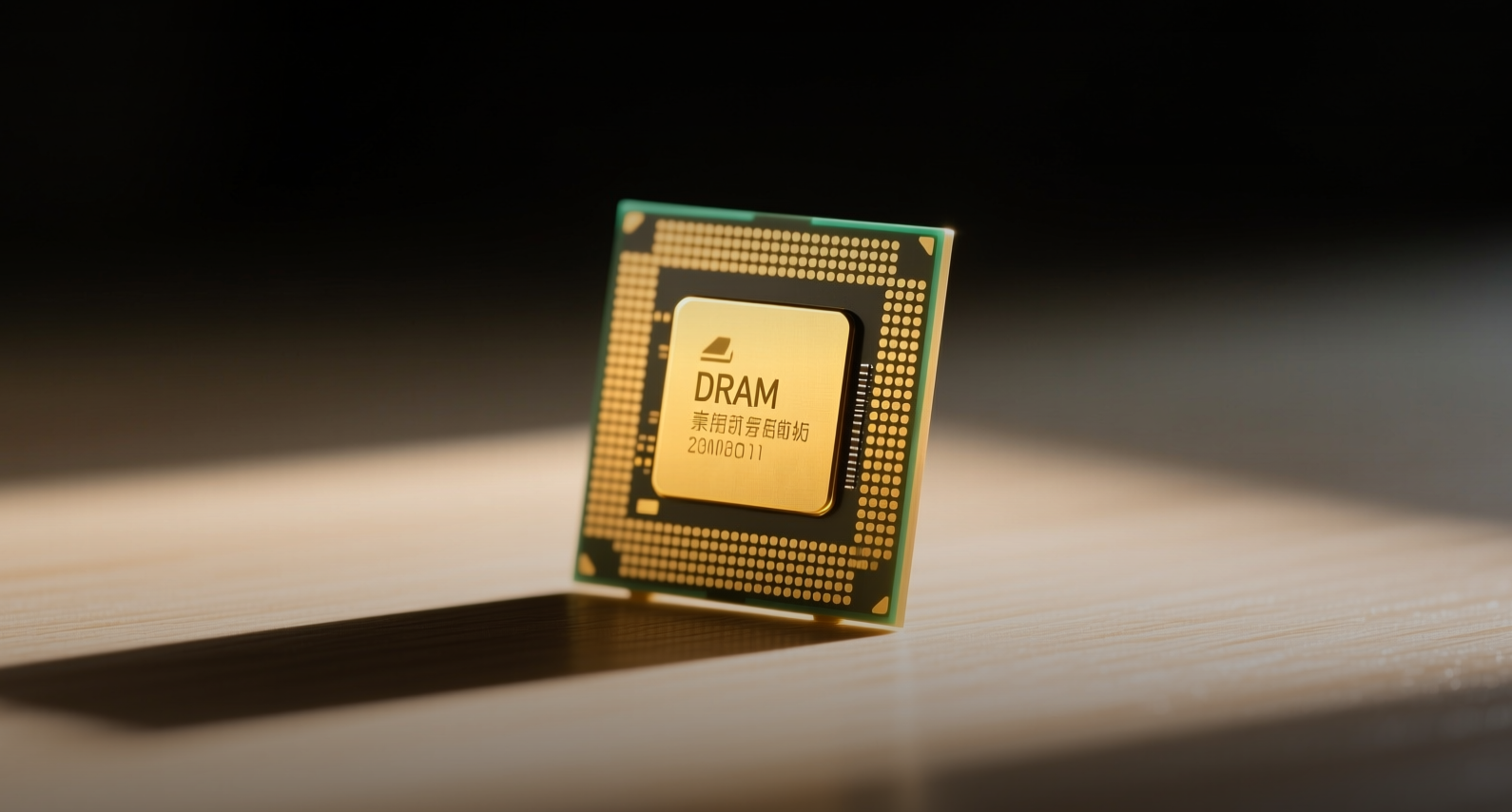
Micron raised its planned U.S. investment to more than $250 billion through 2035, betting that AI-driven memory demand will keep supply tight for years beyond current forecasts.
"As America celebrates its 250th anniversary, data and memory are foundational to the modern economy — and Micron is increasing our U.S. investments to more than $250 billion through 2035 to meet that moment," Sanjay Mehrotra, chairman, president and chief executive officer at Micron, said.
The company poured the first concrete at its Clay, New York, site on July 9, more than one quarter ahead of the original schedule. The facility, which will house up to four fabrication plants, is expected to become the largest semiconductor manufacturing site in U.S. history, with manufacturing operations beginning between 2029 and 2030. Micron also selected Bechtel as its engineering, procurement and construction partner and has directed about $675 million to New York-based contractors so far.
The expanded commitment comes as Micron's existing capacity is already spoken for years in advance. The company's HBM3E and HBM4 memory is 100 percent sold out through calendar 2027, with order books extending into 2028, and hyperscalers have placed $22 billion in advance cash deposits to secure supply. For investors, the bet is that the memory shortage Mehrotra described as structural — not cyclical — will justify the unprecedented capital outlay.
A Structural Shortage, Not a Cyclical One
Mehrotra told CNBC's Jim Cramer on June 30 that the industry needs greenfield capacity — new clean rooms that take years to build. Micron's first Idaho fab will have wafers out by mid-2027, with production ramping primarily in 2028, and a second Idaho facility comes online by the end of that year. The New York site follows behind that, with construction on the second of four fabs starting in 2028 and the entire campus expected to be operational by the early 2040s.
The numbers behind the tightness are stark. Micron's fiscal third-quarter revenue hit $41.46 billion, up 346 percent from $9.30 billion a year earlier. Non-GAAP earnings per share came in at $25.11, beating the $20.78 consensus estimate. Free cash flow reached $18.30 billion, a company record. For the current quarter, Micron guided for $50 billion in revenue, about 86 percent gross margins and EPS of $31.00.
HBM memory — the high-bandwidth chips that sit alongside AI accelerators from Nvidia Corp. and Advanced Micro Devices Inc. — is at the center of the demand surge. Micron disclosed it has already shipped more than $1 billion in HBM4, the most advanced memory product in production. The company holds about 65,000 patents and claims technology leadership in both DRAM and NAND, surpassing South Korean rivals SK Hynix and Samsung Electronics Co., according to Mehrotra.
The Workforce and Supply Chain Challenge
Building that capacity requires people as much as capital. Mehrotra acknowledged the workforce shortage is the more legitimate near-term challenge, pointing to Micron's $300 million commitment to building a semiconductor talent pipeline through apprenticeships, community college curriculum and university programs. The company expects its U.S. projects to create more than 90,000 jobs, including 50,000 in New York alone.
Commerce Secretary Howard Lutnick, who attended the concrete pour, said the Trump administration's economic policies are driving the investment. "President Trump has made it clear that America is where you should build your business and the world is responding rapidly," Lutnick said.
Micron also plans to invest up to $3 billion to develop the domestic semiconductor supply chain. The company's long-term goal is to produce 40 percent of its DRAM in the U.S., a shift from the current reliance on Asian manufacturing, where Taiwan Semiconductor Manufacturing Co. and Samsung dominate chip production. In Virginia, Micron has already launched initial production of its 1-alpha DDR4 technology for automotive, defense and medical applications.
For investors, the timeline matters. Micron shares traded at about $970 on July 2, up 244.51 percent year-to-date, but down from a 52-week high of $1,255 reached June 25. The pullback reflects the market's perennial question about memory cycles: how long can this last? Mehrotra's answer — that greenfield capacity takes years and demand shows no sign of slowing — suggests the current upcycle has a structural foundation that previous booms lacked.
This article is for informational purposes only and does not constitute investment advice.
