

ByteDance and Tencent each received about 10,000 Nvidia H200 processors as Beijing eases export curbs to support domestic AI labs.
ByteDance and Tencent each received about 10,000 Nvidia H200 processors as Beijing eases export curbs to support domestic AI labs.
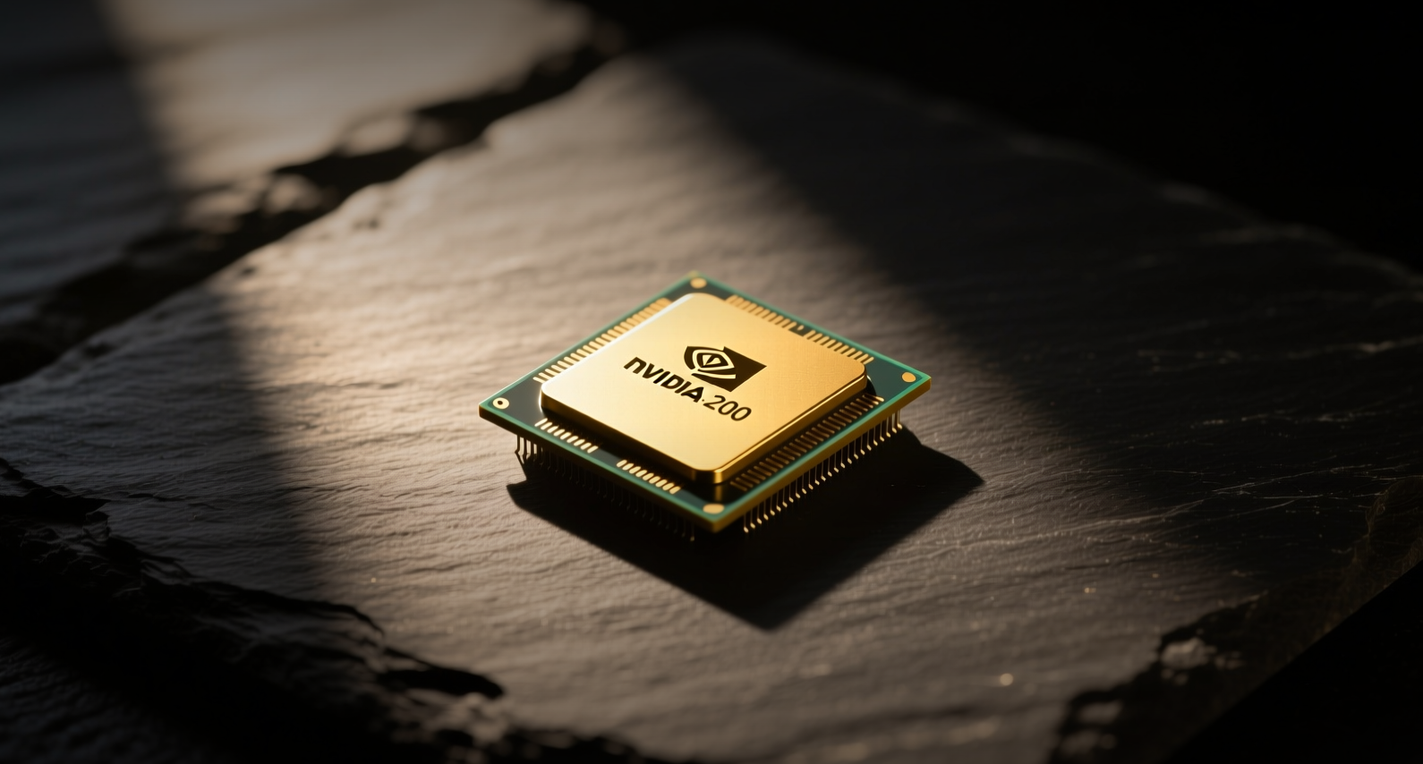
ByteDance and Tencent each received about 10,000 Nvidia H200 processors as Beijing eases export curbs to support domestic AI labs.
Small batches of Nvidia's H200 chips have entered mainland China, with ByteDance and Tencent each receiving about 10,000 processors, as Beijing eases curbs to help domestic AI labs close the gap with US rivals.
"It's a dilemma. Everyone needs the chips but struggles to find a way to use them in Hong Kong," said a person familiar with the situation. "The hope is for the control to loosen up gradually."
The US has cleared the Chinese groups to buy up to 100,000 H200s apiece, but Beijing wants most of those chips kept outside the mainland to support domestic chipmakers led by Huawei, the Financial Times reported. Chinese regulators have told companies they can ship the processors to Hong Kong, which sits outside the mainland's customs border, and use them there. Nvidia holds about 500,000 H200 chips in stock, mainly for Chinese clients, with sales held up by Beijing's restrictions.
The H200 sits at least two generations behind Nvidia's most powerful chips, which remain off-limits to Chinese buyers under US export controls. The easing shows Beijing's willingness to let leading AI developers import advanced hardware for training while it pushes domestic alternatives for inference work. Nvidia shares fell 2.34 percent on the news.
Chinese regulators have recently started loosening restrictions on US chips to ensure leading domestic AI developers can keep training advanced models. Last month, Chinese AI lab Moonshot released its K3 model, whose performance nearly matched the most advanced US models. Alibaba, DeepSeek and Z.ai followed with models of similar intelligence, a sign the gap between leading Chinese and US labs has narrowed.
Chinese labs increasingly use domestic chips for AI inference — the work of generating live responses — while most still rely on Nvidia chips for the more complex training phase that builds knowledge and finds patterns, according to people with knowledge of the matter.
Allowing the chips into Hong Kong still presents a challenge to Chinese tech groups, as the former British colony lacks enough data centers to house them. That situation is unlikely to change soon because Hong Kong does not have sufficient capacity due to power supply issues.
Some Nvidia partners such as Lenovo told Chinese customers last week they could resume placing orders for products containing H200 chips, one person said. These partners integrate Nvidia chips with CPUs and other networking equipment to sell as AI servers. Purchases still require separate approval through an application process overseen by the state planner National Development and Reform Commission.
Nvidia shares, which fell 2.34 percent, trade at a premium as investors weigh the reopening of a market where the company is mostly shut out by export controls. The small-batch approvals expand Nvidia's addressable market in the world's second-largest AI economy, though Beijing's insistence on keeping most chips outside the mainland tempers the revenue upside. For Huawei and other domestic chipmakers, the easing highlights the gap they must close: China's lack of the most advanced chipmaking equipment will restrict its ability to meet surging domestic demand in the near term, meaning some Nvidia imports will continue to be needed.
This article is for informational purposes only and does not constitute investment advice.
