


Oracle's $553 billion AI services backlog and record cloud growth have widened the gap with Alibaba, making the case for ORCL over BABA increasingly clear for investors.
Oracle's $553 billion AI services backlog and record cloud growth have widened the gap with Alibaba, making the case for ORCL over BABA increasingly clear for investors.
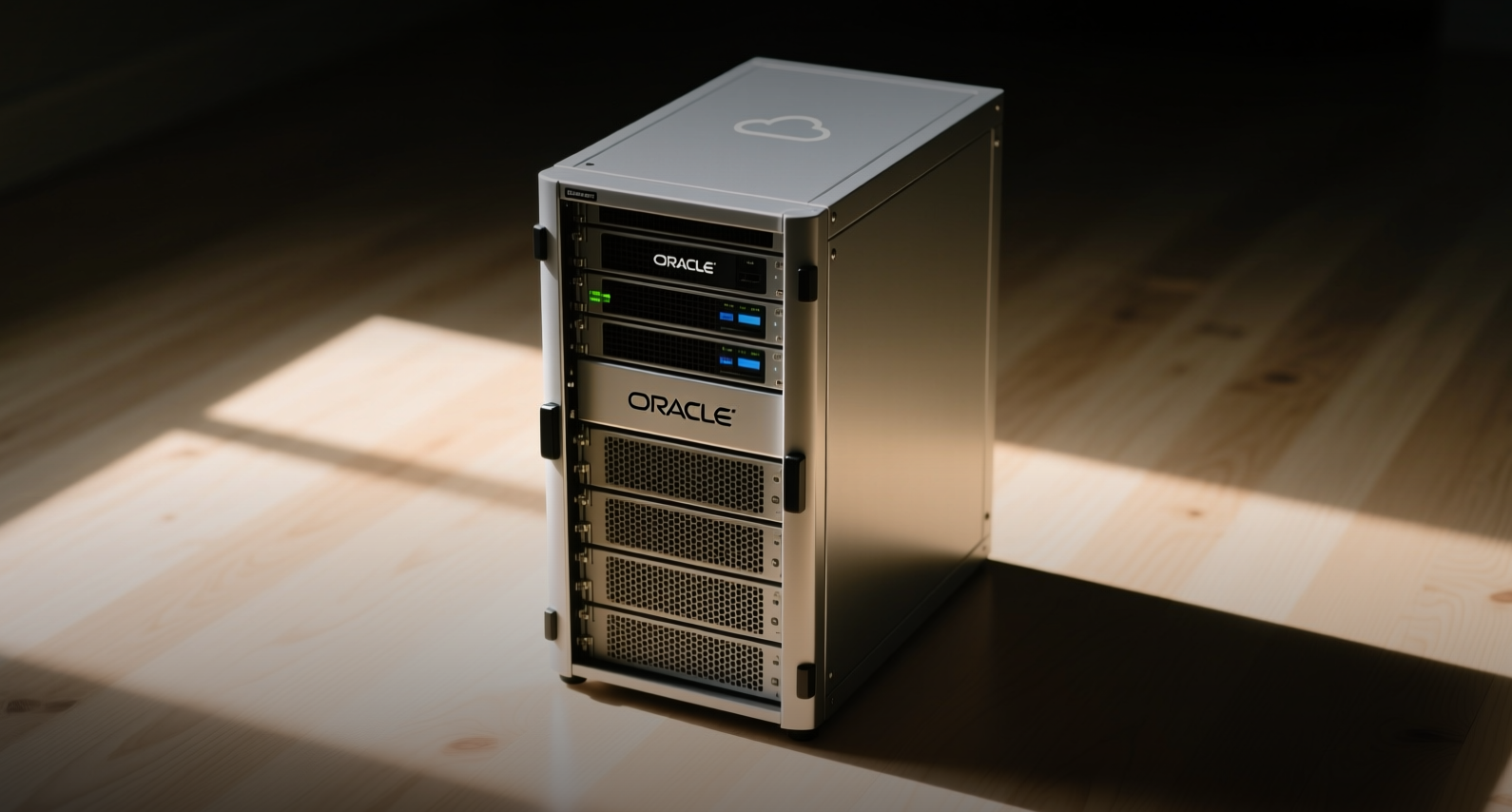
Oracle's $553 billion AI services backlog and accelerating cloud revenue growth have strengthened its competitive position against Alibaba, as the US enterprise software giant challenges Amazon Web Services and Microsoft Azure for cloud dominance.
"Oracle's cloud infrastructure business is scaling at a pace that puts it within striking distance of the Big Three," analysts at a Wall Street bank said in a recent note, pointing to the company's expanding AI services backlog and enterprise customer wins.
The $553 billion backlog — representing contracted but not yet recognized revenue — shows the scale of Oracle's AI infrastructure buildout. The company has been signing multiyear agreements with enterprises migrating AI workloads to its OCI (Oracle Cloud Infrastructure) platform, which offers Nvidia H100 and Blackwell GPU clusters at competitive pricing versus AWS and Azure. Oracle's cloud revenue grew at a record pace in its most recent fiscal year, driven by demand for AI training and inference capacity.
For investors, the comparison between Oracle and Alibaba comes down to growth trajectory and addressable market. Oracle trades at a premium valuation reflecting its accelerating cloud momentum, while Alibaba's cloud business faces headwinds from China's economic slowdown and regulatory uncertainty. The question is whether Oracle's $553 billion backlog can sustain its growth narrative long enough to justify the valuation gap.
Oracle's AI Backlog Shows Structural Shift in Cloud Spending
The $553 billion figure is not merely a backlog — it represents a structural shift in how enterprises procure cloud capacity. Unlike traditional cloud contracts that span one to three years, Oracle's AI agreements extend five to seven years, reflecting the long-term nature of AI infrastructure investment. The company has secured partnerships with KPMG to support customers deploying and managing AI agents, further expanding its enterprise reach.
Oracle's OCI platform has differentiated itself through its RDMA (remote direct memory access) networking architecture, which reduces latency for distributed AI training workloads. This technical advantage, combined with competitive pricing, has allowed Oracle to win customers that previously committed to AWS or Azure.
Alibaba Cloud Faces Headwinds as Oracle Gains Enterprise Share
Alibaba's cloud business, while still the dominant player in China with a 34% market share according to IDC, faces a different set of challenges. The Chinese cloud market has been pressured by a slowing economy, reduced enterprise IT spending, and regulatory scrutiny of data localization requirements. Alibaba's international cloud expansion has also been limited compared with US hyperscalers.
The contrast is stark: Oracle is adding $7 billion in new AI contracts per quarter, according to recent disclosures, while Alibaba's cloud revenue growth has decelerated to single digits. Alibaba's AI initiatives, including its Tongyi Qianwen large language model, have gained traction domestically but face an uphill battle in global markets where US cloud providers hold the advantage.
Investment Implications
For investors choosing between ORCL and BABA, the decision hinges on growth visibility versus valuation. Oracle's backlog provides rare revenue visibility in the cloud sector, with contracted revenue extending through 2031. Alibaba, meanwhile, trades at a discount to US cloud peers, reflecting China risk and slower growth. Oracle shares have outperformed Alibaba over the past 12 months, and the backlog data suggests the momentum may continue.
This article is for informational purposes only and does not constitute investment advice.
