

A securities fraud class action accuses Simply Good Foods of concealing quality problems at its OWYN unit that drove two earnings selloffs and a combined stock decline of more than 27 percent.
A securities fraud class action accuses Simply Good Foods of concealing quality problems at its OWYN unit that drove two earnings selloffs and a combined stock decline of more than 27 percent.
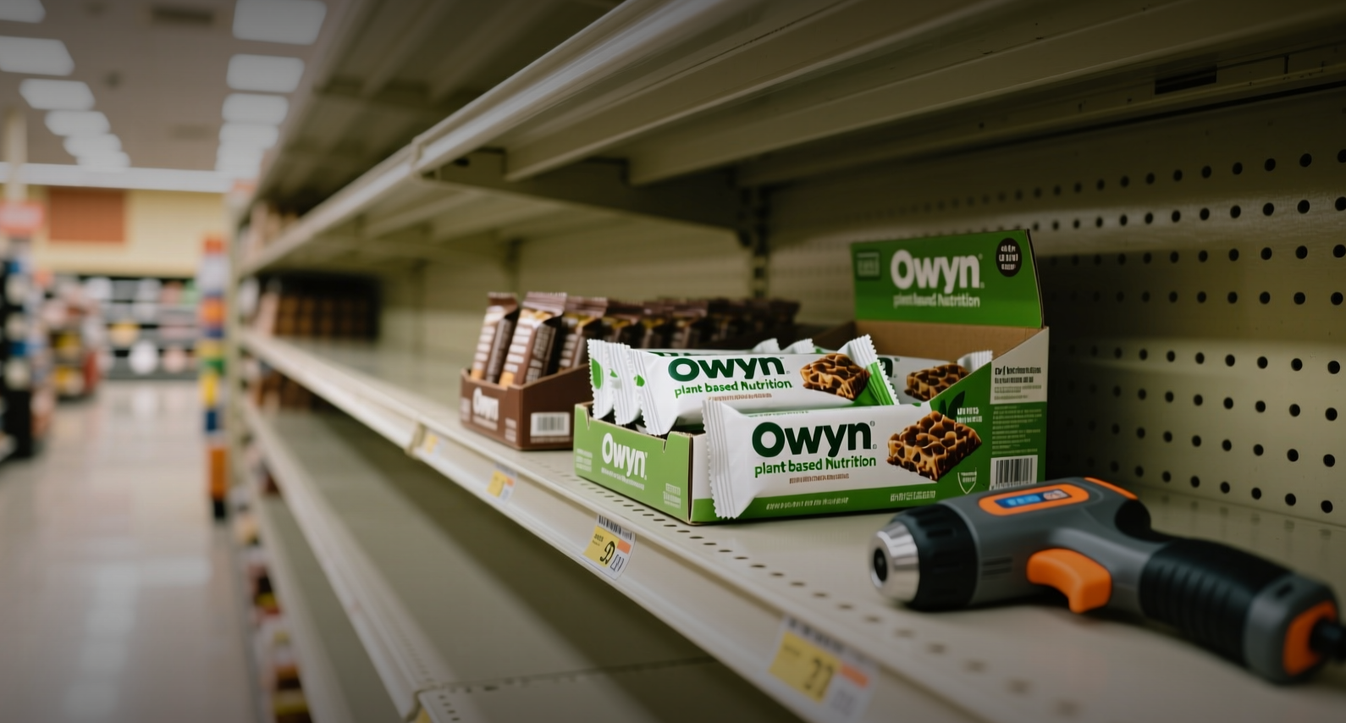
Simply Good Foods faces a securities fraud class action over undisclosed failures at its OWYN plant-based nutrition unit, a case that could expose the company to damages after its shares lost more than a quarter of their value across two earnings-driven selloffs.
Kahn Swick & Foti, whose partners include former Louisiana Attorney General Charles C. Foti Jr., reminded investors with substantial losses that they have until Oct. 13 to file lead plaintiff applications in the suit, which is pending in the U.S. District Court for the Southern District of New York. The case, Monroe County Employees' Retirement System v. The Simply Good Foods Company, No. 26-cv-06971, covers shares bought between Oct. 24, 2024, and April 8, 2026.
The complaint charges Simply Good and certain executives with failing to disclose material information during the class period, violating federal securities laws. On Oct. 23, 2025, the company reported fiscal 2025 results revealing that its OWYN segment, acquired in 2024 for $280 million, had suffered a sales slowdown tied to a previously undisclosed pea-protein sourcing decision that produced "taste and texture issues" as products aged, depressing ratings and reviews. Simply Good also cut its 2026 net sales guidance to a range of negative 2 percent to positive 2 percent, a decline of at least 75 percent from the 9 percent growth it reported for fiscal 2025. Shares fell more than 17 percent on the news.
Then on April 9, 2026, the company disclosed that OWYN's quarterly sales had contracted nearly 17 percent year over year, took a $187 million impairment charge against the brand's intangible assets, and lowered its 2026 outlook to a range of negative 7 percent to negative 10 percent. The stock dropped more than 27 percent over two trading days on above-average volume.
The two disclosures lay bare the cost of the $280 million OWYN deal, which Simply Good struck in 2024 to expand into plant-based nutrition. The $187 million writedown implies the company now values the brand's intangible assets at roughly a third less than it paid, and the repeated guidance cuts suggest the quality problem was known internally before it reached investors. A finding of liability could leave Simply Good on the hook for investor losses across the roughly 18-month class period, while the allegations of undisclosed material information raise the prospect of separate scrutiny from the Securities and Exchange Commission.
The case echoes a pattern regulators have pursued in recent years, where companies that quietly absorb a product or acquisition failure and disclose it only in a later earnings report face both private damages and agency enforcement. For Simply Good, the Oct. 13 lead plaintiff deadline is the first concrete milestone; the court's choice of lead counsel will shape how aggressively the claims are pressed and whether the case settles or proceeds toward discovery.
KSF, ranked by ISS Securities Class Action Services among the top 10 plaintiff firms nationally by settlement value, is soliciting investors who bought Simply Good shares during the class period to discuss their legal rights. Investors seeking to serve as lead plaintiff must petition the court by Oct. 13, 2026. The outcome of that appointment, and any subsequent SEC inquiry, will determine how much of the roughly 27 percent decline investors can recover.
This article is for informational purposes only and does not constitute investment advice.
