
Key Takeaways:
- Kevin Warsh launched five task forces to overhaul Fed communication and inflation strategy
- The fed funds rate has sat at 3.5% to 3.75% since December 2025
- Markets price an 80% probability of a rate increase before year-end
Key Takeaways:
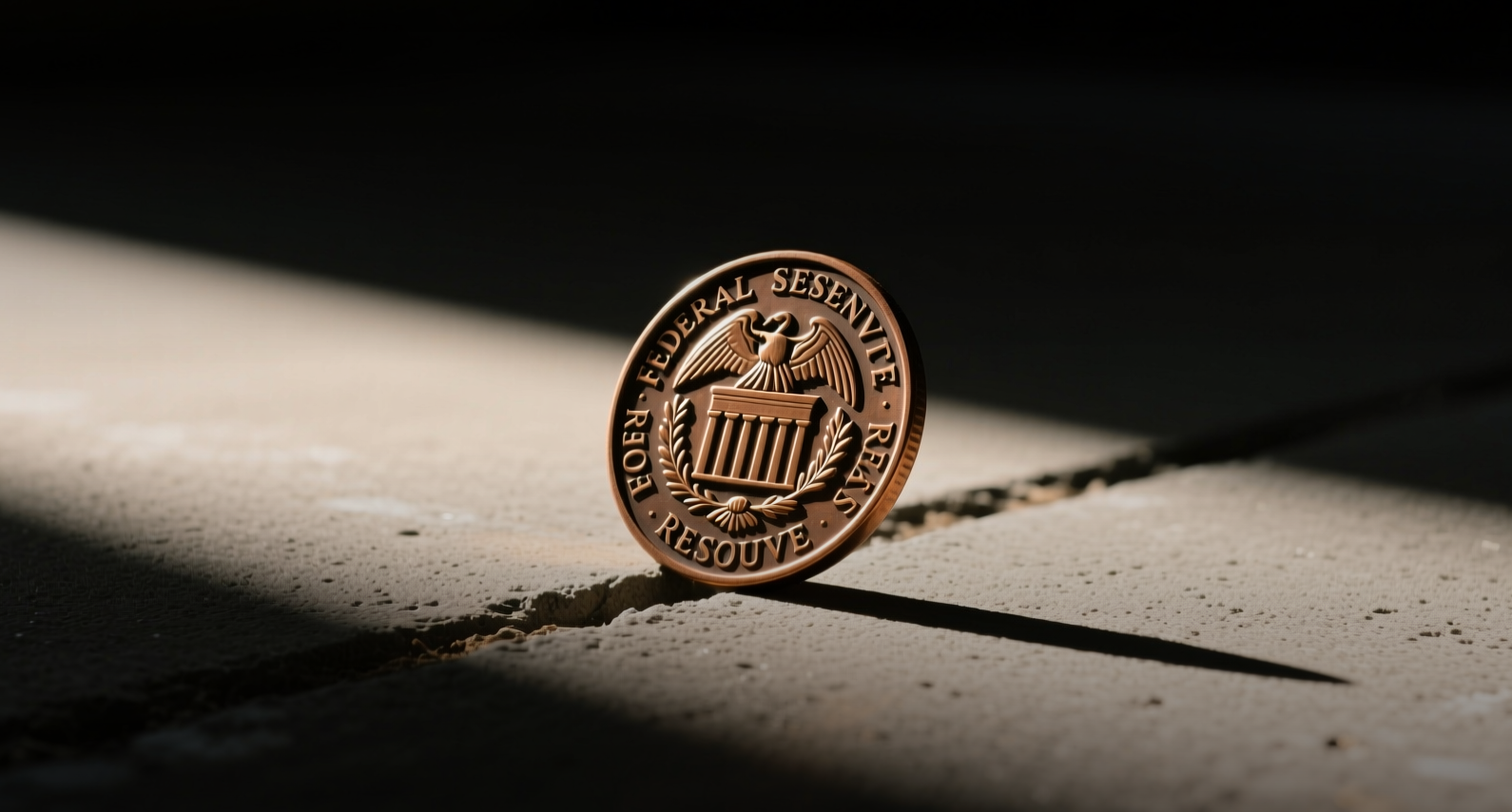
Kevin Warsh is reshaping how the Federal Reserve communicates and sets policy, and the early signals point to a higher-for-longer rate regime that could reshape bond markets and equity valuations.
Federal Reserve Chair Kevin Warsh has overhauled the central bank's internal policymaking apparatus in his first months, launching five task forces to rethink communication and inflation strategy as the fed funds rate sits at 3.5% to 3.75% — unchanged since December 2025.
"The 63 months of inflation above target has been an unfair burden and has been a tax on the American people and businesses," Warsh told the House Financial Services Committee this month. "We plan on getting rid of that tax. That means we need a regime change in policy."
The Consumer Price Index rose 3.5% year over year in June, down from May's 4.2% rate but still well above the Fed's 2% target. Core inflation has failed to fall below 2.5%. The Fed held its benchmark rate steady at the July 28-29 meeting, and federal funds futures now price an 80% probability of a rate increase before year-end, according to CME data.
Warsh's approach introduces two dynamics for markets: a more hawkish policy stance for the foreseeable future and greater uncertainty around the path of rates. That combination could increase bond market volatility and create headwinds for growth and technology stocks, while strengthening the US dollar.
A regime change in communication
Warsh's decision to skip submitting an economic projection at the last Federal Open Market Committee meeting marked a break from precedent. The five internal task forces he launched are charged with rethinking how the Fed communicates its policy intentions and how it defines its inflation framework — a process that injects uncertainty into a market accustomed to predictable forward guidance.
"The members of our committee have no tolerance for persistently elevated inflation," Warsh said in his testimony, reinforcing the hawkish tone. The last time a Fed chair used similarly definitive language was in 2022, when Jerome Powell's Jackson Hole speech preceded a 75-basis-point hike the following month.
Cross-asset transmission
The higher-for-longer narrative is already rippling through markets. Short-term Treasury bill yields track the fed funds rate almost in lockstep, meaning a rate hike would push yields higher with minimal price impact on the securities themselves. Longer-duration bond funds face a more complex picture: the Vanguard Total Bond Market ETF could see price pressure from rising rates, though the direction of the economy, federal debt concerns and demand for safe-haven assets all influence the outcome.
Brent crude oil prices have added to the uncertainty, swinging from about $70 a barrel to briefly above $120, back to $72 and then to near $90, driven largely by geopolitical developments. That volatility complicates the Fed's inflation outlook and gives Warsh cover to maintain a hawkish posture.
What comes next
The next FOMC meeting is scheduled for Sept. 22-23, followed by the Nov. 3-4 and Dec. 15-16 meetings. If the Fed delivers a rate increase, it would be the first since the central bank concluded its last hiking cycle in mid-2023. Markets are pricing the highest probability of a move at the December meeting.
For investors, the implication is clear: the era of predictable Fed communication that characterized the post-2023 period is giving way to a more uncertain regime under Warsh. Bond ETFs, growth stocks and currency markets will all need to price in the possibility that rates go higher before they come down.
This article is for informational purposes only and does not constitute investment advice.
