
The Hang Seng Index rose 2 percent to 25,717.64 points on Sept. 4, extending a Hong Kong equity rally as regional risk appetite firmed ahead of U.S. payrolls data and global trading firms expanded into the city to tap China's ETF market.
The Hang Seng Index rose 2 percent to 25,717.64 points on Sept. 4, extending a Hong Kong equity rally as regional risk appetite firmed ahead of U.S. payrolls data and global trading firms expanded into the city to tap China's ETF market.
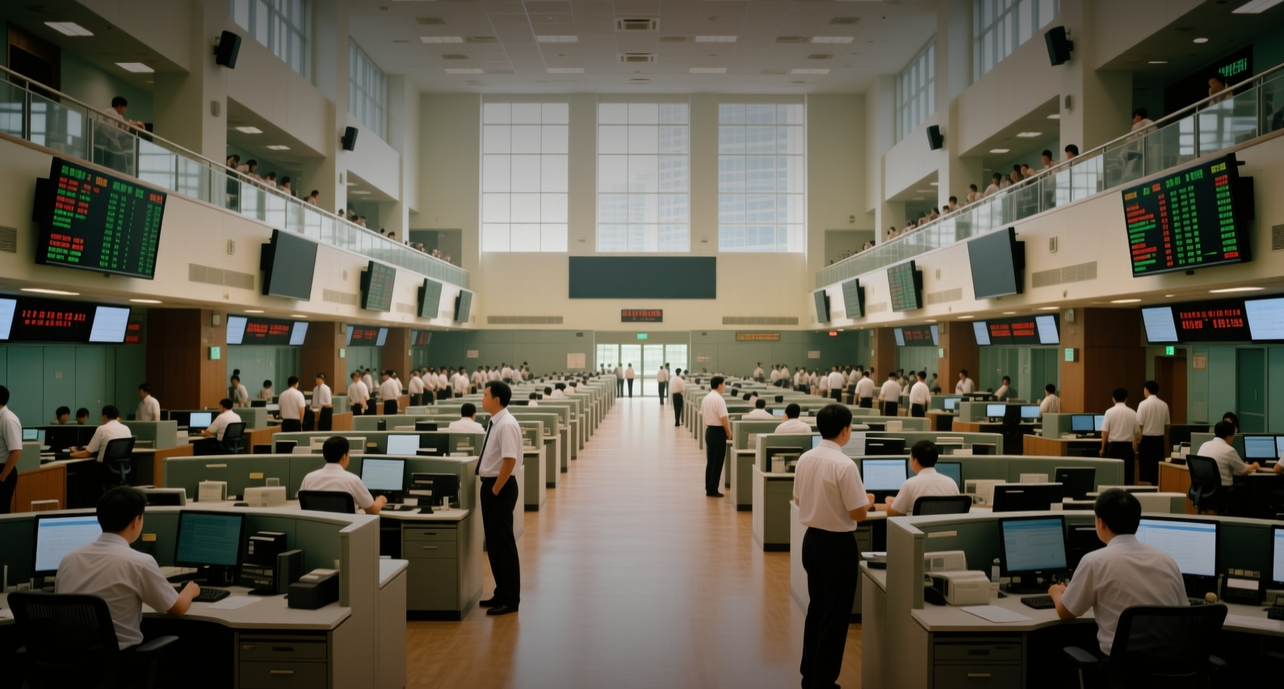
Hong Kong's benchmark index climbed 2 percent to close at 25,717.64 points on Sept. 4, the latest leg of a rally that traders tied to firming regional risk appetite ahead of U.S. payrolls data. The advance lifted the gauge toward levels last seen as global trading firms stepped up their Hong Kong presence to tap China's expanding exchange-traded fund market.
The move coincided with a firm open across Asian markets, with regional shares climbing as investors awaited U.S. jobs figures and took comfort from Federal Reserve Governor Christopher Waller's remarks that helped soothe bond markets, according to Reuters. Gold held its ground with the payrolls report on the radar, underscoring a broadly constructive tone for risk assets into the U.S. data release.
Underpinning the Hong Kong advance is a structural push by Western market makers into the city's equity complex. Susquehanna International Group plans to triple its Hong Kong office space to support a major hiring push and seek deeper access to China's ETF market, Reuters reported Sept. 2, citing four people familiar with the matter. The Philadelphia-based firm has posted more than 20 Hong Kong-based roles over the past week, spanning quant development, engineering and research.
The expansion follows peers Jane Street and IMC Group, which snapped up Hong Kong office space over the past year, and comes as China weighs allowing Western trading firms to act as market makers in its ETF market. Shanghai Stock Exchange data shows China emerged as Asia's biggest ETF market last year, with assets exceeding 6 trillion yuan ($892.5 billion) and onshore-listed products up 36 percent from 2024.
For investors, the question is whether the 2 percent surge marks the start of a durable upswing or a short-lived squeeze. The immediate test comes with Friday's U.S. payrolls report, which will shape expectations for Federal Reserve policy and, by extension, the dollar and capital flows into Hong Kong and mainland assets. A soft print that keeps rate-cut hopes alive would likely extend the rally; a hot number could stall it just as quickly as it began.
This article is for informational purposes only and does not constitute investment advice.
