
Key Takeaways:
- Trump posted a map labeling the Strait of Hormuz "new U.S. territory" on Tuesday
- The waterway carries about 20 percent of global oil trade
- Iran says the strait stays closed until Washington meets its June 17 memorandum demands
Key Takeaways:
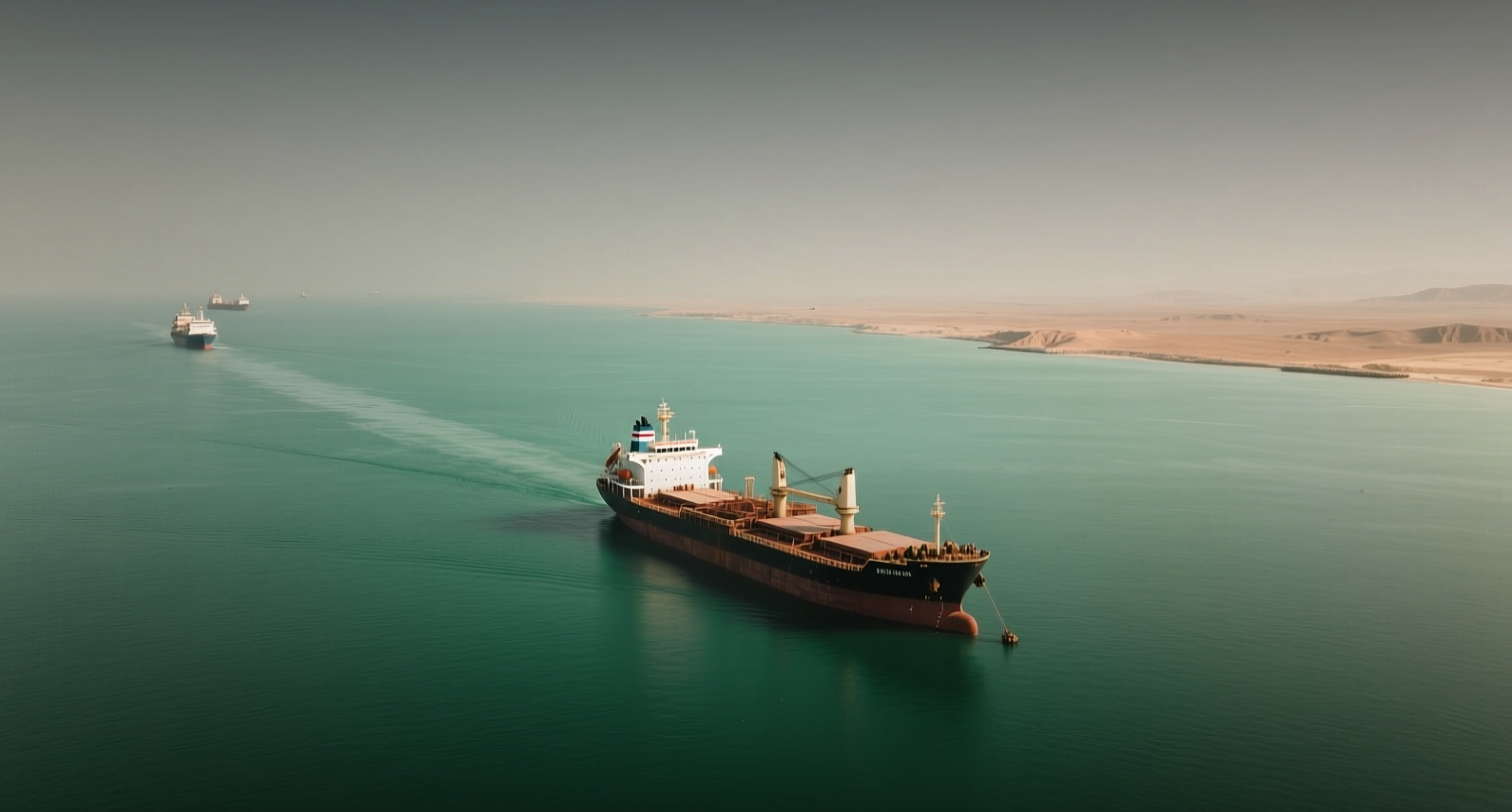
President Donald Trump posted a map labeling the Strait of Hormuz "new U.S. territory," escalating a sovereignty claim over the chokepoint that carries a fifth of the world's oil.
President Donald Trump posted a map on Truth Social labeling the Strait of Hormuz "new U.S. territory," escalating a claim over the waterway that normally carries about 20 percent of global crude trade. The post, published Tuesday, doubles down on an annexation threat Trump first floated at an Aug. 14 campaign-style event, when he said he would declare the strait a U.S. territory "pretty soon" after Iran is defeated.
"The Strait of Hormuz has been Iranian, is Iranian, and will remain Iranian," Kazem Gharibabadi, Iran's deputy foreign minister, said on X. "This strait will only be closed and opened under Iran's command." Gharibabadi added that as long as Washington does "not accept the reality of defeat," Iran will keep enforcing its blockade of the waterway.
Iran has effectively shut the strait since the U.S.-Israel war began Feb. 28, cutting off a route that sits in the territorial waters of Iran and Oman and that moved a fifth of global oil before the conflict. Trump told reporters Monday that the U.S. Navy's blockade gives Washington "total control" of the strait, and that "we're taking out millions of barrels of oil a week" with prices "coming down." He also denied any talks with Tehran, contradicting envoy Jared Kushner, who said Monday that the U.S. and Iran were having "very positive and active conversations."
The escalation threatens to re-inject a risk premium into crude markets just as Trump's approval ratings slide ahead of November midterms that will decide control of Congress. Iran's top negotiator, Mohammad Bagher Ghalibaf, said the strait will not reopen until Washington implements the memorandum of understanding signed June 17, a list that includes ending the U.S. blockade of Iranian ports, lifting oil sanctions, unfreezing Iranian assets and paying war damages.
The annexation push comes as the nearly six-month-old war shows signs of widening beyond the strait. The United Arab Emirates on Tuesday accused Iran of firing two ballistic missiles that landed at sea and targeted "maritime navigation," a charge Tehran denied. Hours later, the UAE said it was halting all trade, commercial exchanges and financial transactions with Iran, a break from the June memorandum that had paused attacks on the Gulf state.
Trump has also threatened to "bomb the shit" out of U.S. ally Oman if it interferes with a deal over the strait, and separately claimed the U.S. has "complete control" of the waterway. The threats echo a pattern from his second term, in which he has floated annexing Canada as the 51st state, seizing Greenland and Cuba, and taking control of the Gaza Strip without following through.
The last time the strait was effectively closed, in 2019 after attacks on tankers, Brent crude spiked more than 20 percent within weeks before retreating as supply from other producers filled the gap. This time the closure has been sustained for nearly six months, and Qatar, a key mediator, said Tuesday that an agreement between Iran and Oman over the strait would ease the path back to negotiations.
For oil markets, the question is whether the blockade and annexation rhetoric translate into a lasting supply shock. Trump has argued the U.S. blockade is itself a tool to push prices down, but Iran's insistence that the strait stays shut until its demands are met leaves the waterway's reopening tied to a diplomatic outcome that both sides say is not imminent. With the war grinding into its sixth month and midterm elections approaching, the risk premium embedded in crude could widen further if the UAE's trade halt spreads to other Gulf states or if Iran responds to the annexation claim with new attacks on shipping.
This article is for informational purposes only and does not constitute investment advice.
