
Key Takeaways: US forces struck two Iranian missile launchers on Larak Island on Sunday, the first direct US military action against Iran in weeks.
Key Takeaways: US forces struck two Iranian missile launchers on Larak Island on Sunday, the first direct US military action against Iran in weeks.
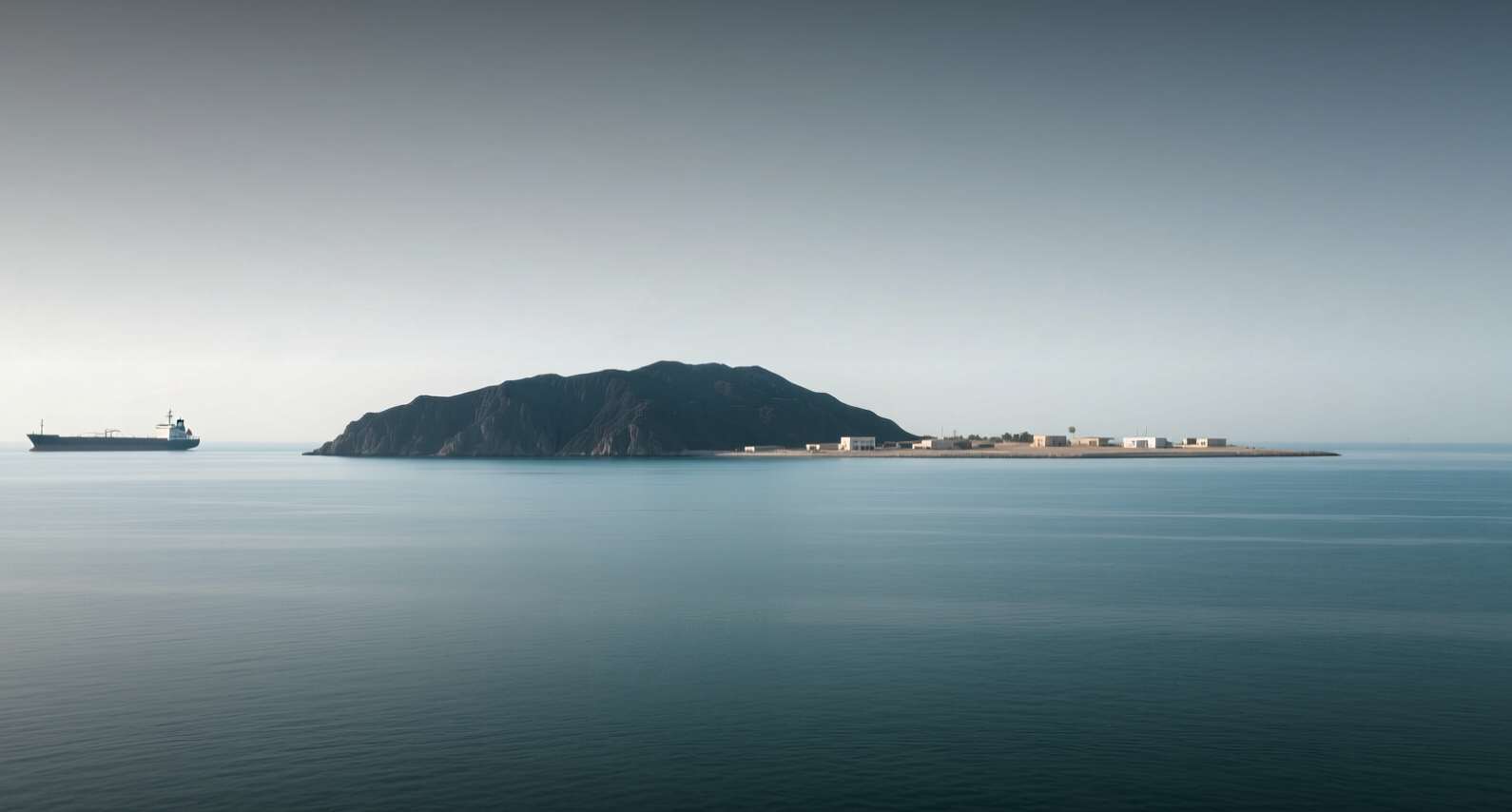
US forces struck two Iranian missile launchers on Larak Island on Sunday, the first direct US military action against Iran in weeks.
US forces struck two Iranian missile launchers on Larak Island on Sunday after Revolutionary Guard crews were spotted preparing to fire sea-mine-armed rockets toward the Strait of Hormuz, a US official told The Jerusalem Post.
"Revolutionary Guard forces were preparing to launch the weapons when the strike occurred," the official said, according to Axios, which first reported the incident. The launchers were armed with sea mines, the report said.
The strike marks the first US military action against Iran in several weeks, following a period of relative quiet in the confrontation that has unfolded under Operation Epic Fury. Iran has not yet responded to the attack. The Strait of Hormuz handles roughly 21 percent of global oil trade, making any disruption to shipping through the waterway a direct threat to crude supply.
The escalation carries immediate implications for energy markets. Brent crude is likely to open sharply higher when trading resumes, with the risk premium on Middle East supply expanding as traders price in the possibility of Iranian retaliation against tanker traffic. Safe-haven demand for gold and the dollar is also expected to strengthen, while equity markets sensitive to energy costs face downward pressure.
The strike on Larak Island, situated in the strait near Iran's southern coast, represents a deliberate US response to what military officials described as an imminent threat to commercial shipping. Sea mines deployed in the waterway would pose a direct hazard to the roughly 20 million barrels of oil that transit the strait daily, according to US Energy Information Administration data.
The strategic importance of the Strait of Hormuz extends well beyond Iran's own exports. Saudi Arabia, Iraq, Kuwait, the UAE, and Qatar all rely on the waterway for the vast majority of their crude shipments, meaning any disruption would ripple through global supply chains. Iran has historically threatened to close the strait under military pressure, though it has never fully followed through. The deployment of sea-mine-armed launchers suggests a more targeted approach — potentially aimed at disrupting specific shipping lanes rather than attempting a full blockade.
The strike also carries implications for the broader US-Iran confrontation. Operation Epic Fury, the ongoing US military campaign in the region, has targeted Iranian assets and proxy forces across the Middle East. Sunday's strike on Larak Island marks the first direct US action against Iranian territory in weeks, suggesting a potential escalation in the campaign's intensity. Previous escalations in the strait have historically triggered sharp moves in crude prices before diplomatic channels reopened.
The immediate market reaction will likely concentrate in three areas. Crude benchmarks — both Brent and WTI — are expected to gap higher when trading opens, with the size of the move depending on whether Iran responds militarily. Gold and US Treasuries are likely to see safe-haven inflows as investors hedge against further escalation. Airline and shipping stocks, which are sensitive to fuel costs, could face selling pressure.
The dollar index may also strengthen as capital flows toward US assets during geopolitical stress. Emerging market currencies, particularly those of oil-importing nations, could weaken as energy costs rise. European and Asian equity markets that are net energy importers are particularly exposed to a sustained crude rally.
Iran's response will be the key variable. If Tehran retaliates with attacks on US assets in the region or escalates threats against shipping, the risk premium on crude could expand significantly. If Iran's response is limited to diplomatic protests, the market impact may be more contained.
The situation remains fluid, with Iran yet to issue an official response. Traders will be watching for any statements from Tehran, as well as updates from the US military on whether further strikes are planned. Any confirmation of additional US operations in the region would likely extend the risk-off move across energy and equity markets.
This article is for informational purposes only and does not constitute investment advice.
