

Nvidia's Q2 earnings on Wednesday will test how the world's most valuable chipmaker navigates memory and energy constraints reshaping AI infrastructure spending.
Nvidia's Q2 earnings on Wednesday will test how the world's most valuable chipmaker navigates memory and energy constraints reshaping AI infrastructure spending.
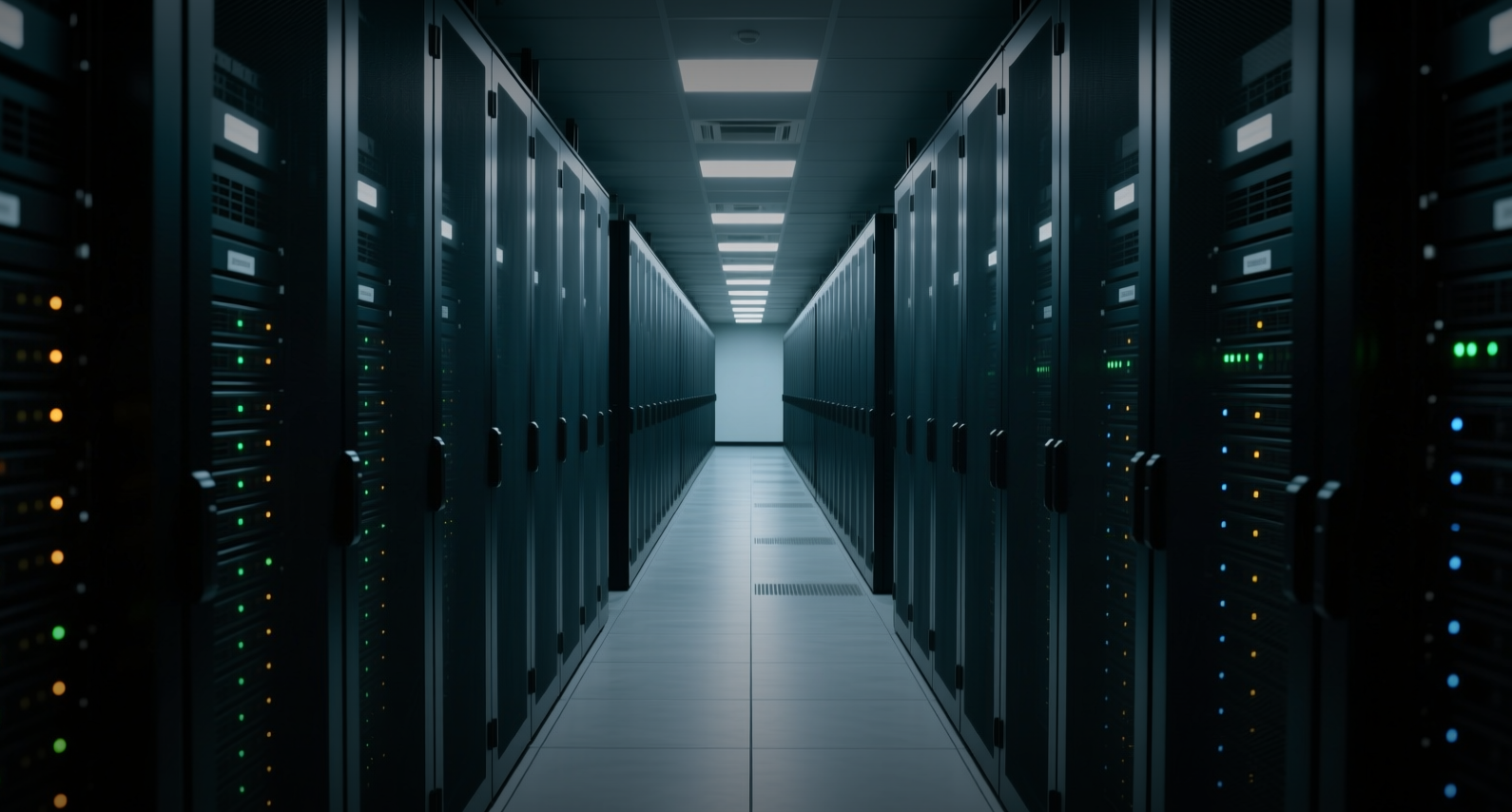
Nvidia's Q2 earnings on Aug. 26 arrive as the $5.2 trillion chipmaker confronts memory shortages and energy constraints that have pushed server prices up more than 15 percent, testing its ability to allocate scarce supply across surging AI demand.
"Nvidia by far has the biggest chipmaking capacity among the Magnificent 7, but it faces headwinds in how it will allocate sales over energy and memory constraints," Max Weinbach said in a preview of the earnings report.
The company's data center segment faces a supply chain squeeze driven by soaring high-bandwidth memory costs from suppliers including Micron Technology and SK Hynix. Server price hikes of more than 15 percent reflect the pass-through of these costs, while power constraints at data centers limit how many GPUs can be deployed per facility. Nvidia's Vera Rubin platform, the successor to Blackwell, is expected to be a key topic on the earnings call as customers including SpaceXAI — formerly xAI, now a unit of SpaceX — expand infrastructure behind the Grok chatbot on Vera Rubin.
The earnings report carries outsized weight for the entire AI supply chain. Nvidia trades at 23.8x forward earnings with revenue growth of 70.7 percent year-over-year, and its guidance will set the tone for semiconductor peers including TSMC, AMD, and Broadcom. With the US 30-year Treasury yield at 5.34 percent and the Jackson Hole symposium scheduled for Friday, a disappointing outlook could trigger a broader tech selloff.
Memory costs squeeze margins
The memory bottleneck is the most immediate pressure point. High-bandwidth memory (HBM) — the specialized DRAM stacked alongside GPUs — has become the binding constraint in AI server production. Micron Technology, one of three HBM suppliers alongside SK Hynix and Samsung, has been raising prices as AI demand outstrips supply. The 15 percent server price increases reflect this pass-through, and Nvidia's gross margin guidance will reveal how much of that cost it can absorb versus pass on to hyperscalers.
Energy is the second constraint. Data center power availability has become a gating factor for AI deployment, with utilities struggling to keep pace with demand from facilities that can consume hundreds of megawatts each. Nvidia's allocation strategy — deciding which customers get GPUs first — increasingly depends on which data centers can actually power them. This has pushed Nvidia deeper into the energy conversation, from its partnership discussions with power providers to its focus on power efficiency in the Vera Rubin architecture.
Vera Rubin demand and the $6B question
Vera Rubin, the successor to Blackwell, is the other major question. The company has confirmed SpaceXAI will deploy Vera CPUs for agentic AI applications, with plans to expand infrastructure behind the Grok chatbot on Vera Rubin. But investors want specifics: production timelines, customer commitments, and how Vera Rubin's memory architecture addresses the HBM bottleneck. Seeking Alpha analyst "The Techie" maintains a Sell rating on Nvidia, citing elevated sales multiples and technical breakdowns, and pointing to the $6 billion Poolside AI investment as a capital allocation risk.
The broader market context adds another layer. Citadel's completion of a $4 billion-plus liquidation of AI fund positions — including Micron, TSMC, CoreWeave, and Nebius — has removed a supply overhang that had weighed on AI infrastructure stocks. With the US 30-year Treasury yield at 5.34 percent, the highest since 2007, and crude oil above $86, Nvidia's earnings will land in a market already grappling with inflation and rate concerns.
For investors, the key question is whether Nvidia can maintain its growth trajectory while managing these constraints. At 23.8x forward earnings, the stock is not expensive relative to its 70.7 percent revenue growth, but the market is pricing in flawless execution. Any guidance that suggests memory costs will compress margins, or that Vera Rubin faces delays, could trigger a re-rating. Conversely, strong guidance on Vera Rubin demand and clear plans for navigating the memory shortage could justify the premium.
This article is for informational purposes only and does not constitute investment advice.
