

S&P Global raised Micron Technology's credit rating to BBB+ from BBB, betting AI-driven memory demand holds through 2028.
S&P Global raised Micron Technology's credit rating to BBB+ from BBB, betting AI-driven memory demand holds through 2028.
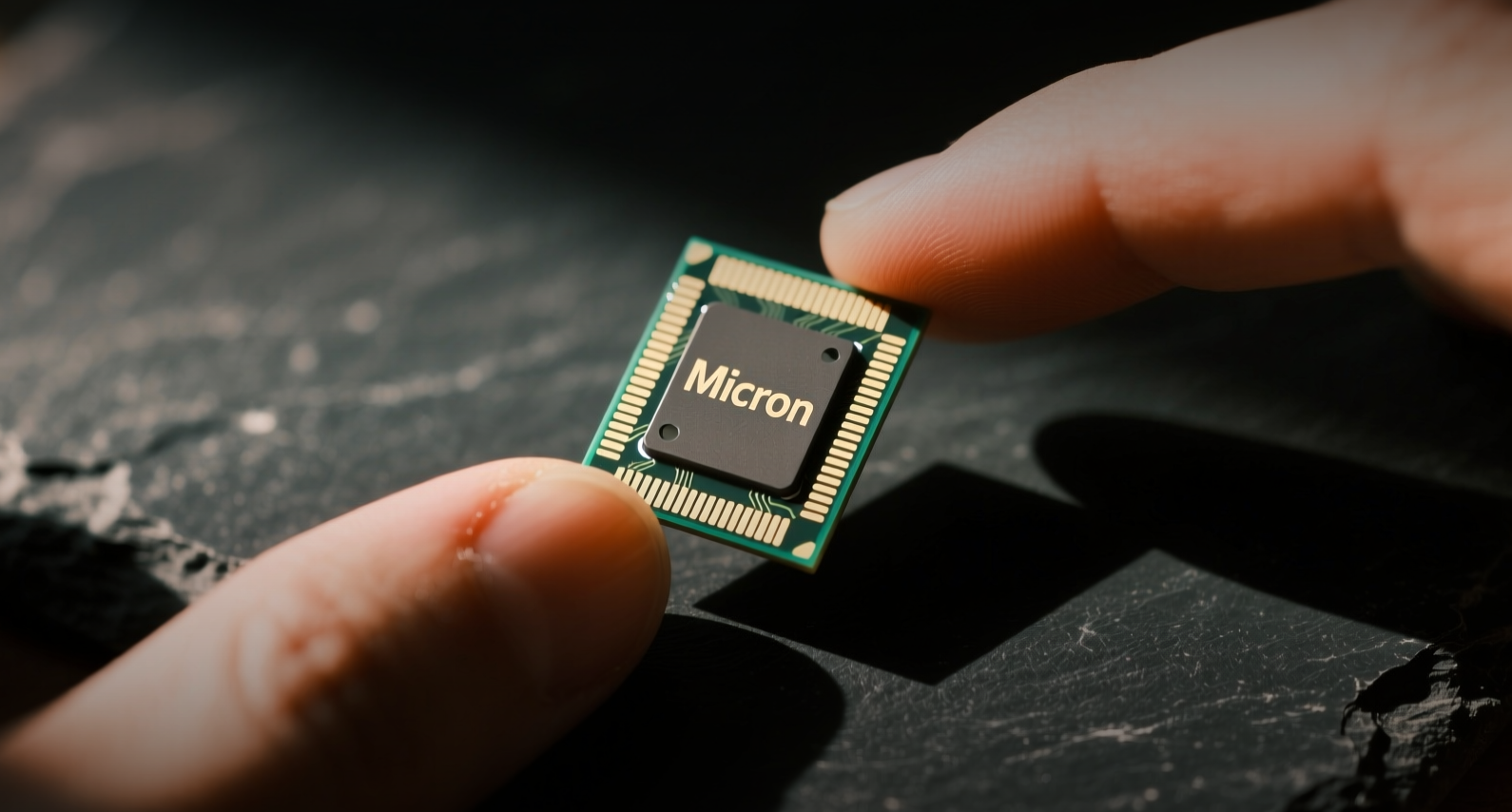
S&P Global Ratings lifted Micron Technology Inc. to BBB+ from BBB, citing confidence that AI-driven demand for memory semiconductors will persist through 2028 — a bet that could narrow the memory maker's valuation gap with Nvidia Corp.
"We have confidence that AI-driven demand for memory semiconductors will persist through 2028," S&P Global said in the upgrade, which also assigned a positive outlook on the Boise, Idaho-based company.
The action lands as Micron's fiscal 2026 third-quarter revenue jumped 346 percent year over year, with trailing-12-month earnings at a record $44 a share. Memory prices for DRAM and NAND climbed roughly four to five times in the first half of 2026, and S&P forecasts the six largest hyperscalers will spend more than $1.3 trillion on capital expenditures in 2027, more than four times their 2024 outlays, driving 20 to 25 percent annual growth in total memory demand across 2026 and 2027.
Micron shares, up more than 700 percent over the past year with a market value past $1 trillion, still trade near seven times next year's consensus earnings — a discount to Nvidia's roughly 18 times forward earnings that reflects the memory market's boom-and-bust history. From fiscal 2017 through fiscal 2025, Micron's earnings rose 72 percent in total, a choppy record that has kept investors wary of paying up for the cycle.
Long-term contracts aim to smooth the cycle
The upgrade mirrors S&P's move on SK Hynix Inc., which it raised to A- from BBB+ on the same day, also with a positive outlook. The Korean memory maker has concluded about 10 long-term agreements with customers that include prepayments, price floors and quantity commitments, mostly with cloud service providers rather than consumer electronics buyers, making demand less prone to seasonality.
Micron is pursuing the same playbook. Management has signed 16 strategic customer agreements, each lasting five years, and expects them to account for more than half of revenue over time. If those deals lock in a firmer pricing floor, investors could start assigning Micron a higher earnings multiple, narrowing the gap with Nvidia.
Supply catch-up is the swing factor
The risk is what happens after 2028, when expanded manufacturing capacity is expected to shrink the gap between supply and demand. SK Hynix plans to lift capital expenditure to 49 trillion won in 2026 and 65 trillion won in 2027, from 28 trillion won in 2025, and has flagged adding production capacity as early as next year. S&P forecasts SK Hynix's annual discretionary cash flow will exceed 100 trillion won over the next two years.
Micron's management said on its June earnings call it has no clear line of sight for when memory supply will fully catch up to demand, supporting expectations for higher prices and profit growth in the near term. The memory sector's cyclicality remains the central question for investors weighing whether the current boom — and the credit upgrades that come with it — can outlast the industry's historical pattern of sharp downturns.
The upgrade also arrives as investors scrutinize the scale of AI-related spending. A Wall Street Journal analysis found nine top technology companies carry roughly $3 trillion in off-balance-sheet commitments mostly tied to AI, about triple their outstanding leases and long-term borrowings, a report that knocked Micron shares down about 7 percent in a single session. Nvidia's agreement to back OpenAI's Ohio data center campus with up to $105 billion shows how deeply the memory maker's largest customers are tied to the AI buildout.
This article is for informational purposes only and does not constitute investment advice.
